

This article contains affiliate links. We may earn a commission if you buy through them, at no extra cost to you. See our disclosure.
The best way to remove pet hair from your home is to fight it from both ends. Catch loose hair on your pet before it falls, then use the right tool for each surface: a damp rubber glove or rubber brush for the sofa, a lint roller for clothes, a HEPA vacuum for floors and a HEPA air purifier for the air.
Sound like a lot? It isn’t, once you have a system. Picture a Saturday morning: you pull the couch cushions off to vacuum and find what looks like a second dog living underneath. Most of us have been there. The good news is that ten minutes a day, done in the right order, keeps it from ever getting that bad again.
Below you’ll find a tool-by-surface chart, 15 room-by-room tips, a simple cleaning schedule, and what allergists recommend if the hair (and dander) is making someone in your house sneeze.
🧹 Quick Answer: How to Remove Pet Hair From Your Home
- Start with your pet: brush 3 to 4 times a week, daily for heavy shedders in spring and fall.
- Furniture: wipe with a damp rubber glove or rubber pet hair brush in one direction.
- Clothes: lint-roll, or tumble 10 minutes on no heat before washing.
- Floors: dust mop hard floors first, then vacuum with a HEPA filter every 2 to 3 days.
- Air: run a HEPA purifier where your pet sleeps and use a MERV 11 to 13 furnace filter.
In this guide
Quick Guide: Best Tool to Remove Pet Hair From Each Surface
Different surfaces grab hair in different ways, so one tool never does it all. Rubber works on fabric because friction and a little static pull hair out of the weave. Microfiber works on hard surfaces because it traps hair instead of pushing it. Here’s the cheat sheet.
| Surface | Best tools | Quick tip |
|---|---|---|
| 🛋️ Sofa and chairs | Damp rubber glove, rubber pet hair brush, reusable roller | Wipe in one direction so hair balls up |
| 👕 Clothes | Lint roller; dryer on no heat before washing | Get hair off before it goes in the washer |
| 🧶 Carpets and rugs | Vacuum with a motorized brush roll, rubber broom | Rake with a rubber broom first to lift embedded hair |
| 🪵 Hard floors | Microfiber dust mop, vacuum on hard-floor setting | Mop first so the vacuum doesn’t blow hair around |
| 🛏️ Bedding | Lint roller, then wash weekly | Use a washable throw where your pet sleeps |
| 🚗 Car seats | Rubber brush, handheld vacuum | Cover seats with a washable seat cover |
| 🖥️ Shelves, baseboards, electronics | Slightly damp microfiber cloth | Dry dusting just moves hair around |
| 💨 Air | HEPA air purifier, MERV 11–13 furnace filter | Place the purifier where your pet spends most time |
Our guides to getting pet hair out of carpet and removing pet hair from a car go deeper on those two surfaces.
Tools only solve half the problem, though. The hair you never let fall is the easiest hair to clean, which is why the first part of this plan happens on your pet, not your floor.
Part 1: Reduce Shedding at the Source
Every dog and cat sheds, and some shed a lot. You can’t stop normal shedding, but you can catch most of it in a brush instead of on your rug. These four steps make the biggest difference.
1. Brush your pet regularly with the right brush
Brushing is the single most effective way to keep hair off your furniture. Veterinary experts at Texas A&M’s College of Veterinary Medicine suggest brushing at least three to four times a week for 5 to 10 minutes. The American Kennel Club adds that heavy shedders may need it daily during peak season, which is usually spring and fall.
Match the brush to the coat:
- Short, smooth coats (Beagles, Labs, most short-haired cats): a rubber curry brush or pin brush.
- Thick double coats (Huskies, German Shepherds, Golden Retrievers): an undercoat rake or deshedding tool.
- Long or curly coats (doodles, Persians, Maine Coons): a slicker brush, then a metal comb to catch tangles.
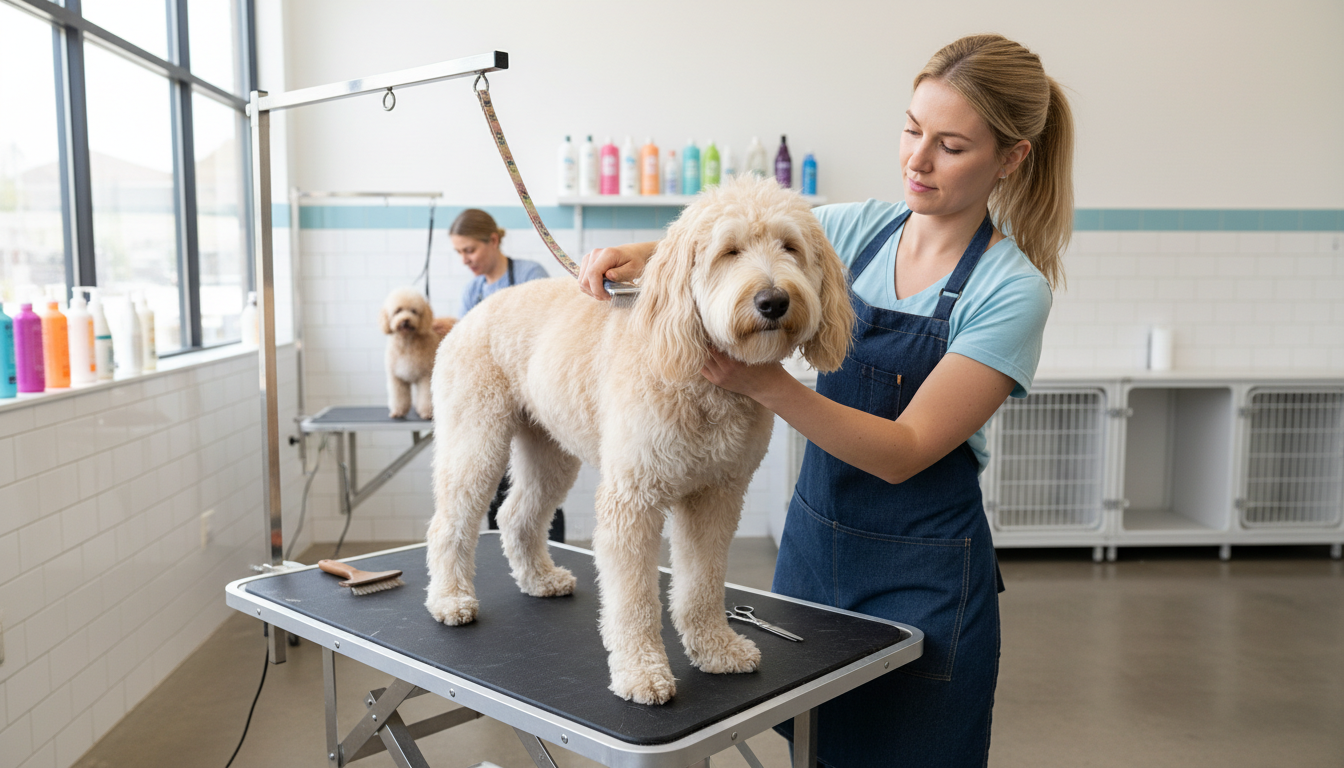
Here’s a real-life example. Say you share a small apartment with a Golden Retriever. Brushing her on the balcony for ten minutes every evening in April can fill a grocery bag with undercoat by the end of the month. That’s hair that would otherwise be drifting into corners and sticking to your black jeans.
2. Bathe with a deshedding shampoo during shedding season
A bath loosens dead undercoat so you can brush it out once your dog is completely dry. The Texas A&M team suggests bathing about weekly in shedding season and two to three times a month the rest of the year. Rinse well and dry thoroughly, because leftover shampoo or damp skin can cause irritation. Many dogs do fine with less, so ask your vet what suits your dog’s skin. Most cats don’t need regular baths at all.
3. Feed for a healthy coat
Skin and coat health starts in the food bowl. According to PetMD’s vet-reviewed shedding guide, pets need enough high-quality protein and fat, especially essential fatty acids, to keep shedding from getting excessive. Some vets suggest an omega-3 supplement. Ask yours before adding one, since the right dose depends on your pet’s weight and health.
4. Rule out medical causes
Seasonal shedding is normal. A sudden change isn’t. The AKC says shedding may be excessive if you see bald patches, inflamed skin or a sudden jump in hair loss. Fleas, allergies, infections, hormone problems and stress can all be behind it. If that sounds like your pet, a vet visit will do more than any vacuum. It’s also one more reason to keep up with your pet’s annual wellness exam.
Now that you’re catching hair at the source, let’s deal with what’s already in your house.
Part 2: Remove Pet Hair Room by Room
Work from the top down and from fabric to floor. Hair you knock off the sofa lands on the floor, so vacuum last.
5. Furniture: use rubber, not cloth
Put on a slightly damp rubber dish glove and wipe the fabric in one direction. The hair rolls up into clumps you can pick off and toss. A rubber pet hair brush or a reusable roller with a collection chamber does the same job faster on big sofas and beds.

If you’d rather not use gloves, our shop carries a reusable Pet Hair Removal Brush with a self-cleaning base, a Cat Hair Remover Brush for beds and cat trees, and the rest of our pet hair removal tools.
6. Cover your pet’s favorite spots
Your cat has one chair. Your dog has one corner of the couch. Put a washable throw or slipcover right there and wash it weekly. Tightly woven fabrics such as canvas, denim, microfiber and leather hold far less hair than velvet, chenille or loose knits, so keep that in mind next time you shop for furniture too.
7. Choose an easy-to-wash pet bed
A comfy bed with a removable, machine-washable cover gives your pet a better place to nap than your sofa. That keeps hair in one spot you can clean in minutes. Wash the cover every week or two.


8. Carpets and rugs: rake, then vacuum
Carpet fibers grab hair and hold on. Drag a rubber broom or squeegee across the carpet first and you’ll be shocked how much it pulls up. Then vacuum slowly in two directions with a motorized brush roll. For stubborn rugs, a light mist of water helps the hair let go.

We cover nine carpet methods, including baking soda and DIY sprays, in our full guide on how to get pet hair out of carpet.
9. Hard floors: dust mop first, then vacuum
On wood, tile and vinyl, a microfiber dust mop traps hair instead of pushing it around. Run it first, then vacuum with the brush roll off (or a hard-floor setting) so the exhaust doesn’t send tumbleweeds flying. Look for strong suction, a brush roll that resists tangles, and a sealed HEPA filter. Allergists at the American College of Allergy, Asthma and Immunology say regular use of a high-efficiency vacuum can lower allergen levels. Clear the brush roll often, because wrapped hair kills suction.

- EVERY PURCHASE SAVES PETS. BISSELL proudly supports BISSELL Pet Foundation and its mission to help save homeless pets.
- LIFT-OFF DETACHABLE POD. 2-in-1 design with a detachable pod for convenient, portable cleaning.
- TANGLE-FREE BRUSH ROLL. Actively prevents hair wrap.
A cordless handheld vacuum is handy for stairs, pet beds and quick cleanups between full vacuuming sessions.

- EVERY PURCHASE SAVES PETS. Every purchase makes it possible for BISSELL to continue our support of BISSELL Pet Foundatio…
- POWERFUL PET CLEANING. Remove embedded dirt and pet hair with a motorized brush tool designed specifically for homes wit…
- CORDLESS CONVENIENCE. Clean wherever you need with a 14V lithium-ion battery that delivers reliable power.
10. Clothes: roll or tumble first, then wash
Washing a hairy sweater just moves the hair onto everything else in the load. Instead, lint-roll it first, or toss it in the dryer for about 10 minutes on a no-heat setting with a couple of wool dryer balls. The tumbling shakes hair loose into the lint trap. Then wash as usual and clean the lint trap afterward.

Running late with a cat-hair-covered work shirt and no roller? Wrap packing tape around your hand, sticky side out, and pat it down. Our guide to removing pet hair from laundry covers washer settings and fabric tips in more detail.


11. Clean the washer and dryer, too
Hair builds up where you can’t see it. Wipe the washer drum and door seal with a damp cloth after washing pet bedding, run an empty rinse cycle now and then, and check your washer’s drain pump filter if your model has one (your manual shows where). Empty the dryer’s lint trap after every load.
12. Bedding: give pets their own layer
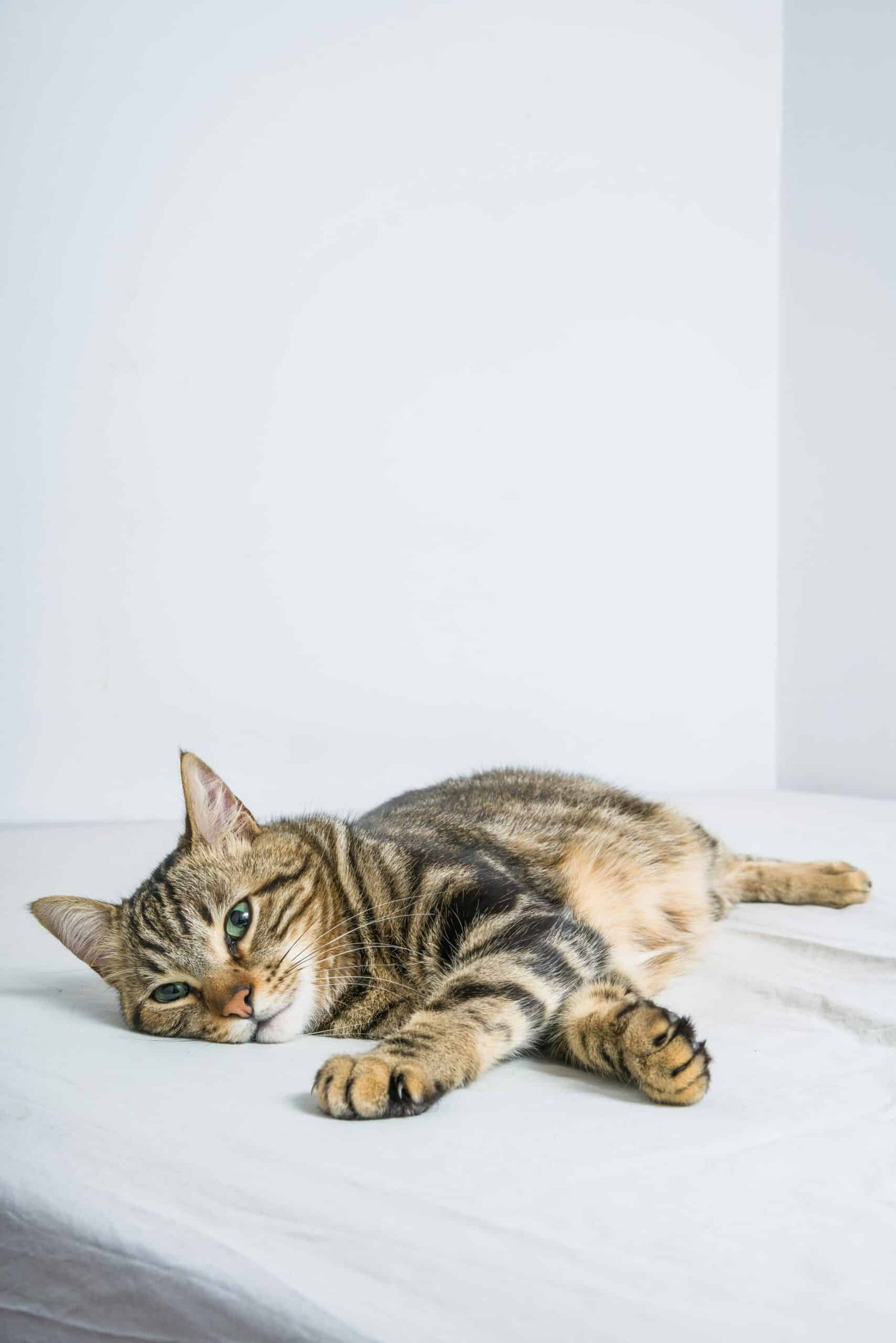
If your pet sleeps on your bed, lay a washable blanket on top of the duvet and wash it weekly. Lint-roll pillowcases before washing, and use tightly woven sheets. Percale and microfiber shed hair more easily than flannel.
13. Air: run a HEPA purifier and upgrade your furnace filter
Fine hair and dander float before they settle. A true HEPA air purifier in the room where your pet spends the most time catches them first. According to the ACAAI’s air filter guide, HEPA filters can remove up to 99.97% of particles 0.3 microns in size. The same guide suggests a disposable furnace filter rated MERV 11 to 13, changed about every three months.

- HIGH-EFFICIENCY & LARGER COVERAGE FOR PET LOVERS: DBFIT AP-M1419 air purifiers for home large room can effectively purif…
- PM 2.5 AIR QUALITY DISPLAY & AUTO MODE: The smart air purifier is equipped with an upgraded PM 2.5 particle sensor, whic…
- WASHABLE FILTER & H13 TRUE HEPA: The air purifiers for home pets have a 3-stage filtration system that can effectively f…
Keep in mind what a purifier can’t do. It won’t pull hair off the couch. Think of it as the backup goalie, not the whole team.
14. Wipe hard surfaces with a damp microfiber cloth
Dry dusting sends hair back into the air. A slightly damp microfiber cloth picks it up from shelves, tables, baseboards, blinds and windowsills. For TV screens and laptops, use a dry microfiber cloth and follow the maker’s cleaning advice.
15. Build a 10-minute daily routine
- Brush your pet (5 minutes, outside if you can).
- Do a quick pass with a rubber brush or roller on the sofa.
- Dust mop or vacuum the main walkway.
- Shake your pet’s favorite throw outdoors.
A few minutes every day beats a three-hour cleanup every weekend. But what if the real problem isn’t the hair you can see?
Pet Hair vs. Dander: Tips If Someone Has Allergies
Here’s the catch for allergy sufferers: the hair itself isn’t usually the trigger. The allergens are proteins in dander (tiny skin flakes), saliva and urine, and they ride along on hair and dust. That’s why a spotless-looking room can still make someone’s eyes itch.
The ACAAI recommends a few steps that go beyond everyday cleaning:
- Make the bedroom a pet-free zone and keep pets to a few rooms if you can.
- Run a HEPA cleaner continuously in the bedroom or living room. It lowers allergen levels over time.
- Bathe your dog weekly, which the ACAAI says can reduce airborne dog allergen.
- Keep indoor humidity below 50%. Skip humidifiers if dust mites are also a problem.
A Simple Pet Hair Cleaning Schedule
Most guides tell you what to do but not how often. Use this as a starting point and adjust for how much your pet sheds. Double up during spring and fall.
| How often | Task | Time |
|---|---|---|
| 📅 Daily | Brush heavy shedders; quick roller pass on the sofa; dust mop the main walkway | 10 min |
| 📅 Every 2–3 days | Vacuum carpets and high-traffic floors | 15–20 min |
| 📅 Weekly | Wash throws, pet bed covers and top blanket; damp-wipe surfaces; brush light shedders 3–4 times | 30 min |
| 📅 Monthly | Rubber-broom rugs and stairs; vacuum under cushions and furniture; clean the washer seal | 45 min |
| 📅 Every 3 months | Change the MERV 11–13 furnace filter; check the purifier filter | 10 min |
A starting plan for a home with one medium shedder. Homes with several pets or heavy shedders may need more.
Mistakes to Avoid
- Brushing your pet on the couch. You’re just moving the hair three feet.
- Washing hairy clothes straight away. Hair spreads through the load. Roll or tumble first.
- Vacuuming before you dust and wipe. Work top to bottom so the floor goes last.
- Ignoring the brush roll and filters. A tangled brush roll or clogged filter can make even a great vacuum weak.
- Over-bathing. Too many baths with the wrong shampoo can dry skin and make shedding worse.
- Blaming the season for everything. Bald patches, red skin or nonstop scratching are a vet visit, not a cleaning problem.
✅ Your Pet Hair Starter Kit
- ☐ The right brush for your pet’s coat
- ☐ Rubber gloves or a rubber pet hair brush
- ☐ A lint roller (one by the door, one in the car)
- ☐ Microfiber dust mop and cloths
- ☐ Vacuum with a HEPA filter and a motorized brush roll
- ☐ Washable throws for your pet’s favorite spots
- ☐ HEPA air purifier and a MERV 11–13 furnace filter
Frequently Asked Questions
What is the fastest way to get pet hair off a couch?
Wipe it with a slightly damp rubber glove or a rubber pet hair brush in one direction, then pick up the clumps. A reusable pet hair roller works just as fast on large cushions.
How do I get pet hair out of clothes in the washing machine?
Remove as much as you can first with a lint roller or a 10-minute no-heat dryer cycle, so hair goes into the lint trap instead of the washer. Then wash normally and wipe the drum afterward.
How often should I brush my dog or cat to reduce shedding?
Most pets do well with brushing three to four times a week for 5 to 10 minutes. Heavy shedders may need daily brushing during spring and fall shedding seasons.
Do air purifiers help with pet hair?
They help most with airborne dander and fine hair, which matters for allergies. A HEPA filter can catch up to 99.97% of 0.3-micron particles, but it won’t remove hair that’s already on furniture or floors, so pair it with regular vacuuming.
How often should I vacuum if I have pets?
Every two to three days in high-traffic areas works for most homes with pets, and more often during heavy shedding seasons or if someone has allergies.
Which fabrics resist pet hair best?
Tightly woven fabrics such as canvas, denim, microfiber and leather. Velvet, chenille and loose knits trap the most hair.
The Bottom Line
You’ll never live in a completely hair-free house with a dog or cat, and honestly, that’s part of the deal. But you can get close. Brush your pet a few times a week, use rubber on fabric and microfiber on hard surfaces, roll clothes before washing, and let a HEPA filter handle the air. Do a little every day and the big weekend cleanup disappears.
Ready to start? Pick up a reusable brush or roller from our pet hair removal collection and try the 10-minute routine this week.
Keep learning: more guides from Pet Buddies Care
- How to get pet hair out of carpet: 9 methods that work
- How to remove pet hair from laundry
- How to get pet hair out of your car
Sources: American Kennel Club; Texas A&M College of Veterinary Medicine; PetMD; ACAAI pet allergies; ACAAI air filters; Dogster (vet-reviewed). Updated November 2026. This guide is general information, not veterinary or medical advice. Check with your vet about your own pet.
What’s your best pet hair trick? Share it in the comments.
Related: blankets, throws and pet beds from every room end up in the wash. Here’s how to remove pet hair from laundry without clogging your washer.