
A puppy growth chart shows how much of its adult weight a puppy should have reached at each age. The short version: small breeds are usually done growing by 6 to 12 months, medium breeds by about 12 to 15 months, and large and giant breeds can keep growing until 18 to 24 months. Size, not age alone, sets the pace.
Maybe you just weighed your 5-month-old Lab mix at 38 pounds and you’re wondering if that’s normal. Or your vet said “she’s right on track” and you’d like to know what track that is. Below you’ll find the chart, a worked example for every size, a simple way to estimate adult weight, and the warning signs that mean it’s time to call your vet.
🐶 Quick Answer: Puppy Growth Chart by Size
- At 6 months a puppy is roughly 75% (small), 66% (medium), 60% (large) or 50% (giant) of its adult weight.
- Adult weight estimate: current weight ÷ the chart percentage for its age. A 42 lb large-breed pup at 6 months ÷ 0.60 ≈ 70 lb.
- Done growing: small 6–12 months, medium 12–15 months, large 12–18 months, giant 18–24 months.
- Healthy growth is steady and lean. You should feel the ribs easily without seeing them.
In this guide
Puppy Growth Chart by Size (% of Adult Weight)
Most growth charts sort dogs into four adult-size groups: small (up to 20 lb), medium (21–50 lb), large (51–100 lb) and giant (over 100 lb). The American Kennel Club’s puppy growth guide uses the same bands. Find your puppy’s likely group, then read across to its age.
| Age | 🐕 Small (0–20 lb) | 🐕 Medium (21–50 lb) | 🐕 Large (51–100 lb) | 🐕 Giant (100+ lb) |
|---|---|---|---|---|
| 6 months | 75% | 66% | 60% | 50% |
| 9 months | 90% | 85% | 75% | 65% |
| 12 months | 100% | 95% | 85% | 80% |
| 15 months | 100% | 100% | 95% | 90% |
| 18 months | 100% | 100% | 100% | about 100%* |
Approximate averages for healthy puppies (AKC and Dogster growth tables). *Many giant breeds keep filling out with muscle until about 24 months.
Notice how the columns spread apart early and meet again later? That’s the whole story of puppy growth in one table. A Chihuahua sprints to the finish line. A Great Dane jogs, and takes twice as long to get there.
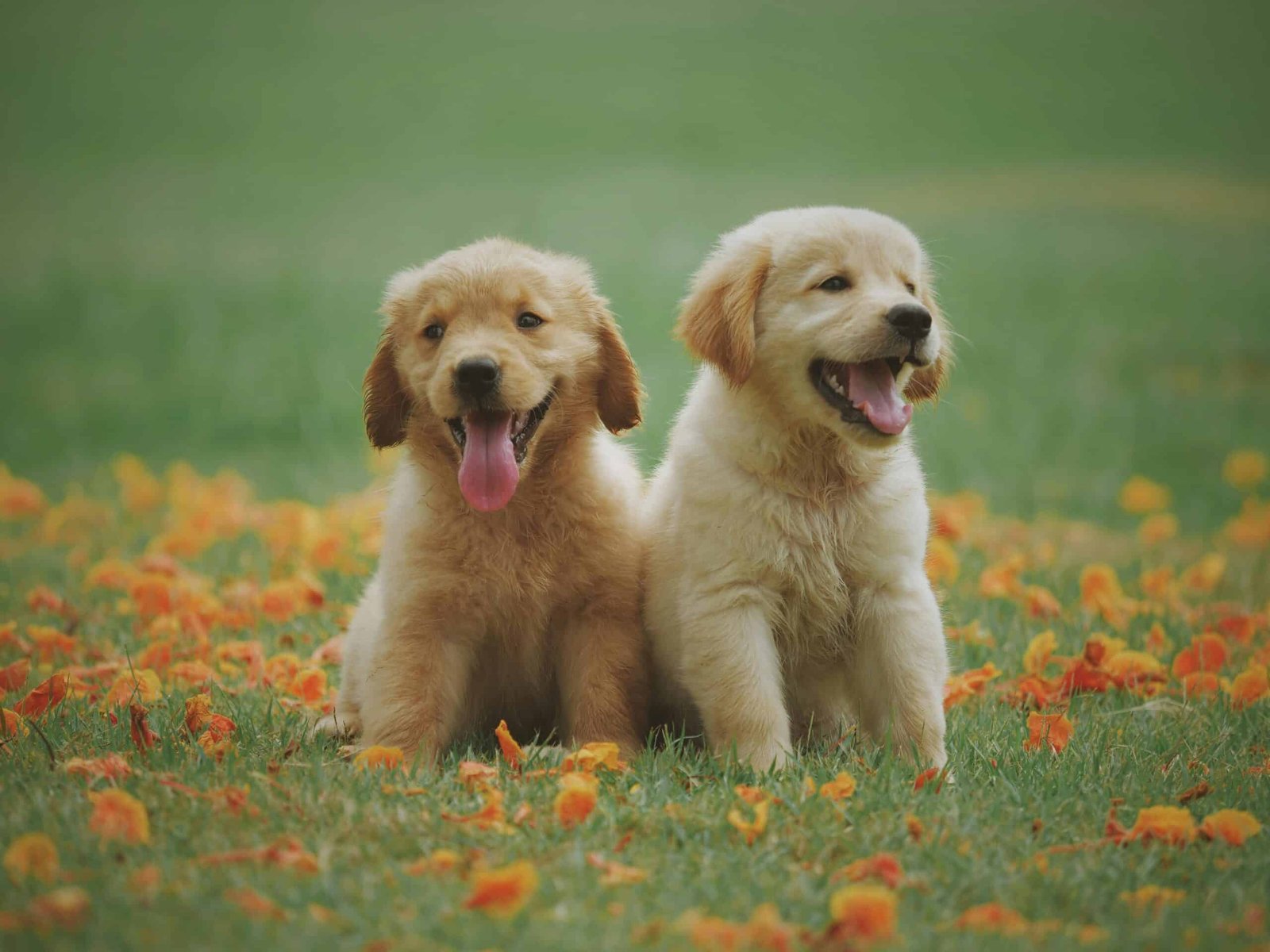
Where do these numbers come from? The most important modern work is a 2017 study in PLOS ONE that built growth standard charts from the records of more than 6 million young dogs seen at US veterinary hospitals. Vets now use charts like these the same way pediatricians use growth curves for kids. The percentage table above is the simple, at-home version.
Puppy Weight Chart by Month (Worked Examples)
Percentages are handy, but most people think in pounds. Here’s what the chart looks like for a typical dog in each size group.
| Age | Small (adult 10 lb) | Medium (adult 35 lb) | Large (adult 70 lb) | Giant (adult 120 lb) |
|---|---|---|---|---|
| 6 months | about 7.5 lb | about 23 lb | about 42 lb | about 60 lb |
| 9 months | about 9 lb | about 30 lb | about 53 lb | about 78 lb |
| 12 months | 10 lb | about 33 lb | about 60 lb | about 96 lb |
| 15 months | 10 lb | 35 lb | about 67 lb | about 108 lb |
| 18 months | 10 lb | 35 lb | 70 lb | about 120 lb |
Calculated by Pet Buddies Care from the percentage chart above. Example breeds: Shih Tzu (small), Beagle or Border Collie (medium), Labrador (large), Great Dane (giant).
So if your 6-month-old Beagle mix weighs 21 pounds, she’s sitting right around the medium-breed line. If she’s 30 pounds at the same age, she may be headed for the large group, or she may simply be carrying extra weight. The next section helps you tell which.
How Big Will My Puppy Get? (3-Step Estimate)
You can get a solid estimate of adult weight with a scale and a calculator. Here’s how.
- Pick the size group. For a purebred, use the breed standard. For a mixed breed, look at the parents if you can, or try a dog DNA test, which can also predict adult weight.
- Weigh your puppy on the same scale, at about the same time of day.
- Divide by the chart percentage for its age and group. Example: a large-breed puppy that weighs 42 lb at 6 months: 42 ÷ 0.60 = about 70 lb as an adult.
Here’s the catch with mixed breeds: you might pick the wrong group. If the answer looks odd, try the next group up or down and see which one fits your puppy’s build. Then check again in a month. Two or three estimates in a row that agree are far more reliable than one.
What about the “double it” rules and big paws?
You’ll hear quick rules like “double the weight at 4 months” or “small dogs weigh four times their 6-week weight.” They can land in the right neighborhood, but different sources give different multipliers, so treat them as a rough sanity check, not a forecast. Big paws are an even weaker clue. The parents’ size, the breed standard and your puppy’s weight between 4 and 6 months tell you much more.
When Do Puppies Stop Growing?
Puppies stop growing between about 6 and 24 months, depending on adult size. The AKC notes that small breeds often finish by 6 to 8 months, while giants can take up to 2 years. VCA Animal Hospitals gives similar ranges: 6 to 12 months for small breeds and 12 to 18 months for most large breeds.
| Size | Example breeds | Usually fully grown |
|---|---|---|
| 🐾 Toy and small | Chihuahua, Yorkshire Terrier, Shih Tzu | About 6–12 months |
| 🐾 Medium | Beagle, Border Collie, Cocker Spaniel | About 12–15 months |
| 🐾 Large | Labrador, Golden Retriever, German Shepherd | About 12–18 months |
| 🐾 Giant | Great Dane, Mastiff, Newfoundland | About 18–24 months |
Height usually finishes before weight. A 14-month-old German Shepherd might be as tall as he’ll ever be but still look lanky. Over the next few months he’ll fill out with muscle and his chest will deepen. That’s normal, not a sign he’s underweight.
Why does this matter? Because of the growth plates, the soft areas near the ends of the long bones where growth happens. They harden and close once growth is done. Until then, long runs on pavement, repeated jumping and high-impact play can stress them, especially in large breeds. Ask your vet when your dog is ready for jogging or agility.
How to Weigh and Measure Your Puppy at Home
A growth chart is only as good as the numbers you feed it. Here’s a simple routine that takes two minutes.
- Small puppy: place it on a kitchen or baby scale in a bowl or basket, then subtract the container’s weight.
- Bigger puppy: weigh yourself on a bathroom scale, then weigh yourself holding the puppy. The difference is the puppy’s weight.
- Height: stand your puppy on a flat floor and measure from the floor to the top of the shoulder blades (the withers).
- Write it down with the date. A notes app or a strip of tape inside a cupboard door works fine.
- Repeat every 1 to 2 weeks until 6 months, then about once a month until your dog is fully grown.
Puppy Growth Stages, Week by Week
Weight is only part of growing up. Each stage brings new skills, new needs and, yes, new chewing habits. The stage names below follow the Best Friends Animal Society’s puppy development guide and common veterinary descriptions.
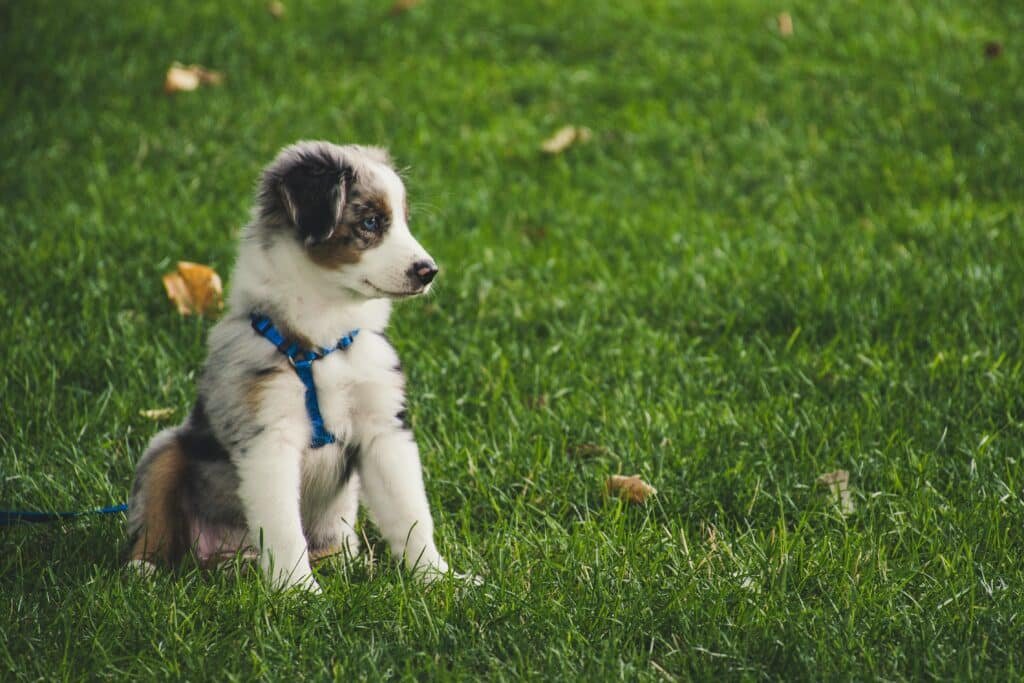
Newborn (0–2 weeks)
Puppies are born with their eyes and ear canals closed and can’t keep themselves warm. They sleep, nurse and grow. A healthy newborn should gain weight every day and roughly double its birth weight in the first week to 10 days. A puppy that isn’t gaining needs a vet check quickly.
Transitional (2–4 weeks)
Eyes open at around 10 to 14 days and hearing follows soon after. Puppies start to stand, wobble and walk, and their first baby teeth appear at around 3 to 4 weeks. Weaning onto soft puppy food usually begins at about 3 to 4 weeks.
Socialization (about 3–14 weeks)
This is the window when puppies learn most easily that people, sounds, places and other dogs are safe. Littermates teach bite inhibition. Most puppies are fully weaned by about 7 to 8 weeks and go to new homes at 8 weeks or later. Calm, positive new experiences now help prevent fear and behavior problems later. Bringing one home soon? Our guides on a puppy morning routine and introducing a new puppy to your dog make the first weeks easier.
Juvenile (3–6 months)
This is the fastest stage of growth, and you’ll see it on the scale. Baby teeth fall out and adult teeth come in between about 4 and 6 months, so expect a lot of chewing. Short, upbeat training sessions work best. If barking is becoming a habit, see our tips on how to stop dog barking.
Adolescence (6–18 months)
Growth slows down, especially in small breeds, but large breeds are still building their skeletons. Many dogs test the rules during this “teenage” phase, so keep training consistent. Hold off on long runs, repeated jumping and hard surfaces until your vet says your dog’s growth plates have closed.
Young adult (1–2 years)
Small and medium dogs are fully grown. Large and giant dogs finish filling out. Most dogs settle into their adult personality by around age 2.
Is My Puppy Growing Too Fast or Too Slow?
One weigh-in rarely tells you much. The shape of the curve does. A healthy puppy follows a smooth line that bends gently as it gets older. Vets watch for a puppy that suddenly jumps above its line or drops below it.
| What you see | What it may mean | What to do |
|---|---|---|
| 🟢 Smooth curve, ribs easy to feel, visible waist | Healthy growth | Keep weighing and feeding as you are |
| 🟡 Well above the chart, ribs hard to feel | Overfeeding, too many treats, or a bigger adult size | Measure meals; ask your vet about portions |
| 🟡 Well below the chart, ribs and hips stick out | Underfeeding, worms, or a smaller adult size | Vet check and a fecal test |
| 🔴 Weight loss, or no gain for 2+ weeks | Illness, parasites or a feeding problem | Call your vet |
| 🔴 Limping, swollen joints, reluctance to play | Possible growth or joint problem | Call your vet |
General guidance only. Your vet’s growth checks are the best guide for your own puppy.
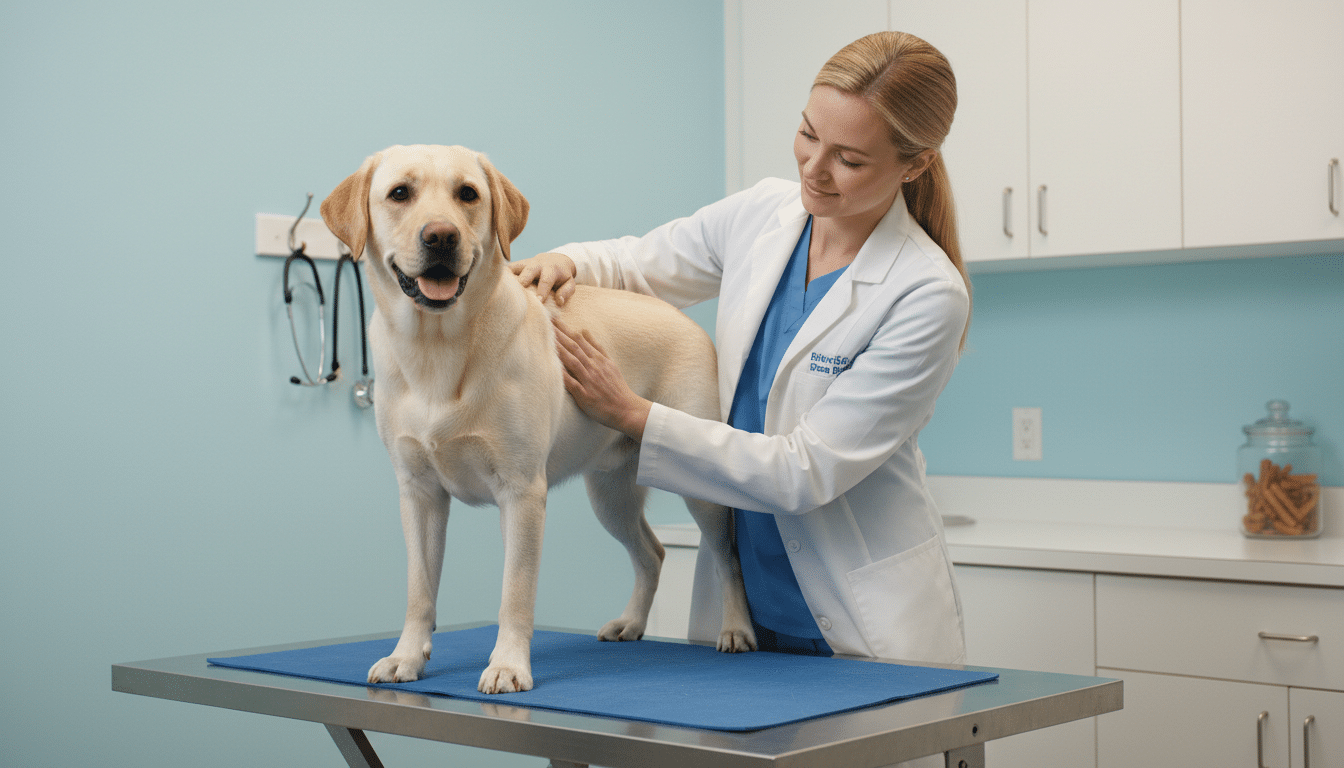
Picture two Lab puppies at 5 months. Max weighs 40 pounds and you can feel every rib under a thin layer of fat. Bella weighs 40 pounds too, but her waist has disappeared and you have to press to find her ribs. Same number on the scale, very different stories. That’s why vets pair weight with a body condition check, scored on a 9-point scale such as the one in the WSAVA Global Nutrition Guidelines.
How to Keep Your Puppy’s Growth on Track
Now that you know what normal looks like, here’s how to keep your puppy there.
- Feed for the adult size. The AKC’s large-breed care guide explains that large-breed puppy foods are usually lower in calcium and less energy-dense to reduce the risk of overfeeding. Slow, steady growth is kinder to developing joints.
- Measure every meal. Use the food label as a starting point, then adjust with your vet based on body condition. Free-feeding makes it easy to overshoot.
- Keep treats small. Treats should stay under about 10% of daily calories. Training treats add up fast.
- Skip extra supplements unless your vet prescribes them. Adding calcium to a complete puppy food can do more harm than good in large breeds.
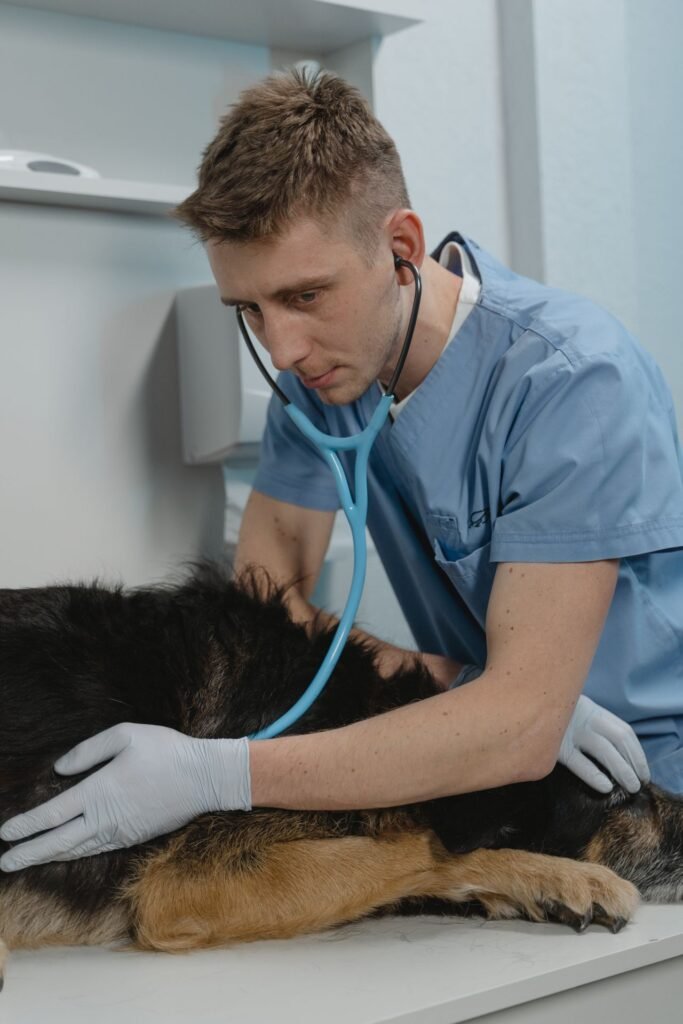
- Keep up with vaccines, deworming and checkups. Puppy vaccines usually start at 6 to 8 weeks, with boosters every few weeks until about 16 weeks. Our guide to wellness exams for pets explains what each visit covers.
- Switch to adult food on time. Usually around 9 to 12 months for small breeds and 12 to 18 months or later for large and giant breeds. Ask your vet.
✅ Monthly Puppy Growth Checklist
- ☐ Weighed on the same scale, same time of day
- ☐ Weight written down and compared with the chart
- ☐ Ribs easy to feel, waist visible from above
- ☐ Meals measured, treats under 10% of calories
- ☐ Collar and harness still fit (two fingers underneath)
- ☐ Next vaccine or vet visit booked
Mistakes to Avoid
- Trying to grow a bigger dog. Extra food doesn’t change your puppy’s genetic adult size. It just adds fat and strain on growing joints.
- Comparing with a littermate or a friend’s puppy. Puppies of the same breed can differ by several pounds and both be healthy. Compare your puppy with its own curve.
- Weighing once and panicking. One reading after a big drink or a missed bathroom trip can be off. Look at the trend over a few weeks.
- Too much hard exercise too soon. Long jogs and lots of jumping can wait until your vet confirms growth is done.
- Buying gear for the puppy you have. Choose an adjustable harness, a crate with a divider and chew toys sized for adult teeth.
Getting Ready for a Growing Puppy
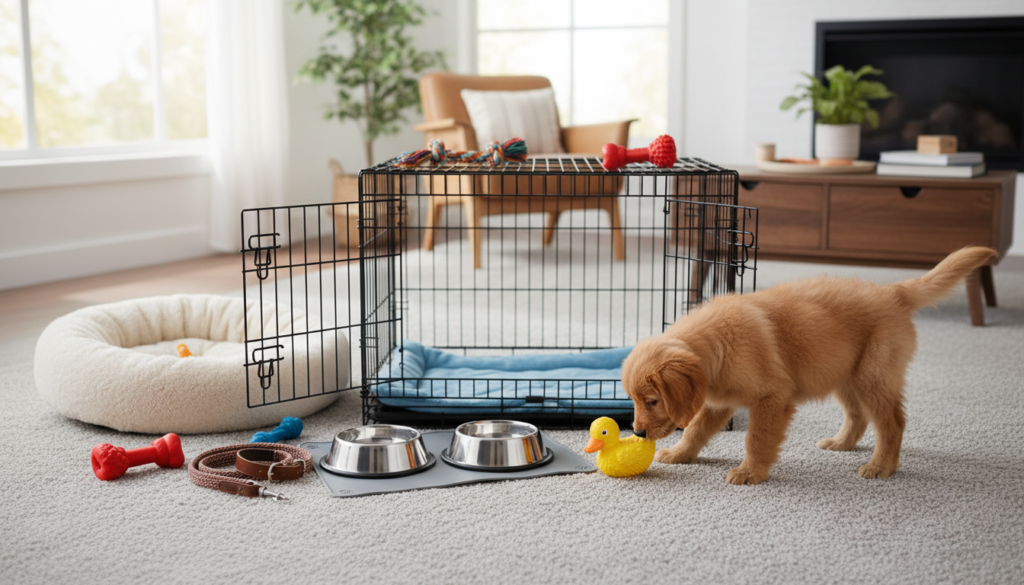
A growing puppy costs more than many people expect, because food portions, beds, crates and harnesses all get bigger. To plan the full budget, see how much a dog costs per year. And to think about the long run, read how long dogs live by breed and size, since size affects lifespan as much as it affects growth.
Frequently Asked Questions
How big will my puppy get?
Divide your puppy’s current weight by the percentage of adult weight for its age and size group. For example, a 6-month-old medium puppy weighing 23 lb is likely to reach about 35 lb. Repeat the estimate monthly for a better answer.
At what age is a puppy half grown?
It depends on size. Small breeds pass the halfway mark well before 6 months, while giant breeds are only about half grown at 6 months.
When do puppies stop growing in height?
Most dogs reach adult height by about 12 months. Large and giant breeds may grow a little taller after that and keep adding muscle until 18 to 24 months.
How much should a puppy weigh at 3 months?
It varies a lot by breed. As a rough guide, many small-breed puppies weigh 2 to 6 lb at 3 months, while large-breed puppies often weigh 20 to 30 lb. Your vet can tell you if your puppy is on track for its breed.
Is my puppy growing too fast?
If your puppy is well above the chart for its size and you can’t easily feel its ribs, it may be eating too much. Fast growth raises the risk of joint problems in large breeds, so talk to your vet about portion sizes.
Do big paws mean a big dog?
Sometimes, but not reliably. The parents’ size, the breed standard and your puppy’s weight at 4 to 6 months are much better predictors.
The Bottom Line
Every puppy grows on its own timeline, and size sets the pace. Use the puppy growth chart to check where your pup stands, divide by the percentage to estimate adult weight, and weigh regularly so you can see the curve, not just a single number.
Keep your puppy lean, feed a food made for its adult size, and bring your weight log to every vet visit. If anything looks off, your vet is your best partner. Ready for the next step? Start a simple weight log today and check it against the chart next month.
Keep learning: more guides from Pet Buddies Care
- How long do dogs live? Lifespan by breed and size
- How much does a dog cost per year? 2026 budget guide
- American Bulldog growth and weight chart
Sources: American Kennel Club; VCA Animal Hospitals; Salt et al., PLOS ONE (2017); WSAVA; Best Friends Animal Society; Dogster growth table. Updated November 2026. This guide is general information, not veterinary advice. Check with your vet about your own puppy.
How much did your puppy weigh at 6 months, and what breed is it? Share it in the comments to help other owners compare.
Raising a female puppy? Small breeds often have their first heat by 6 to 7 months. Here’s how to choose and fit disposable dog diapers for female dogs in heat.
Potty training a small-breed puppy in an apartment? Our guide answers can you train a dog to use a litter box, with a 7-step plan and a potty schedule by age.
Teething puppy turning into a land shark? Our age-by-age plan to stop a puppy from biting shows what to do at each growth stage from 8 weeks to 7 months.