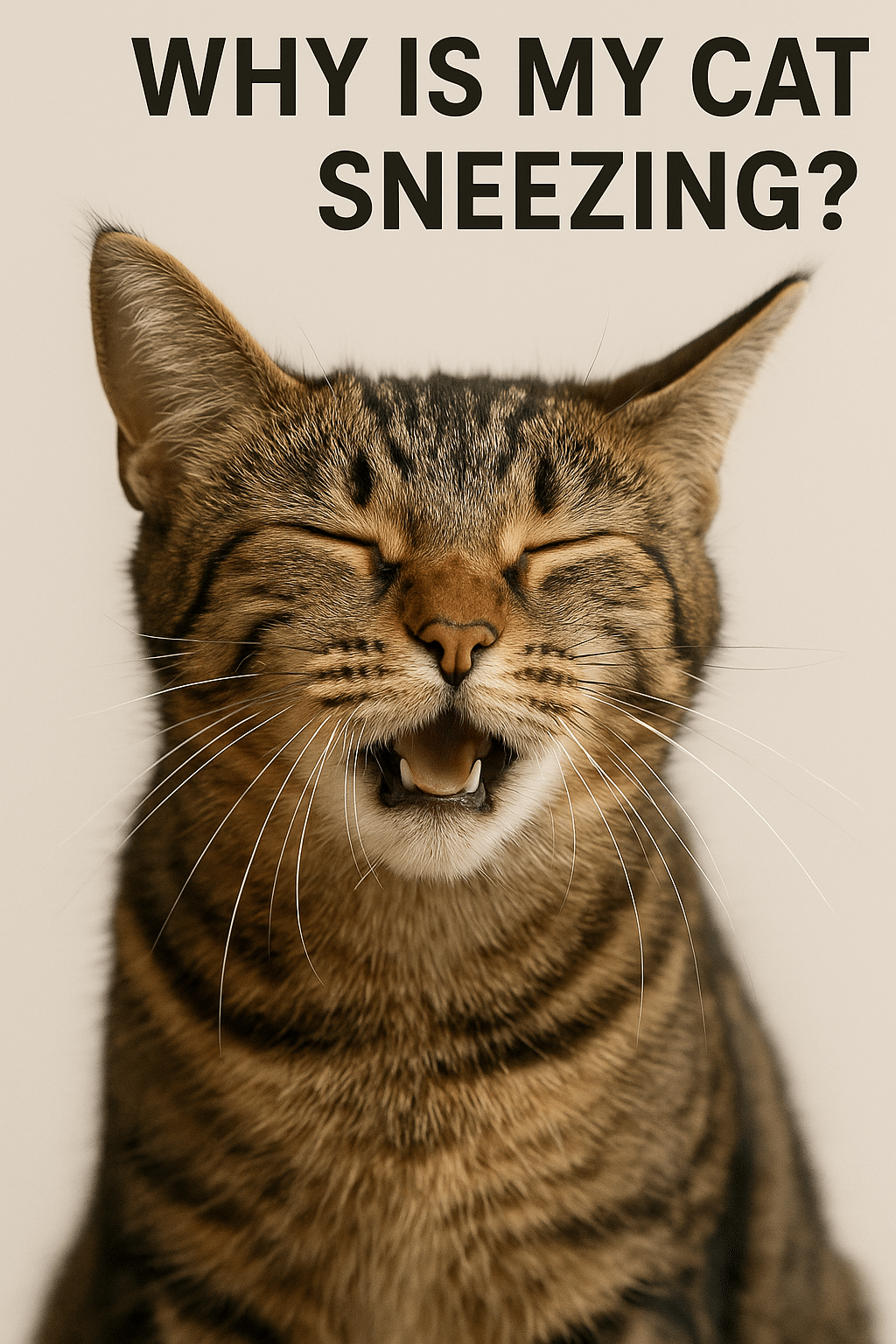
An occasional sneeze is normal for cats. Sneezing that is frequent, lasts more than a few days, or comes with discharge, squinting, low appetite or lethargy is worth a vet visit. The most common cause of repeat sneezing is an upper respiratory infection, often feline herpesvirus or calicivirus. Dust, scented products, dental disease and foreign material can also be to blame.
Key Takeaways
- A few sneezes now and then are usually harmless, like a person clearing their nose.
- Infections are the top cause. Feline herpesvirus and calicivirus are responsible for most upper respiratory infections in cats.
- See a vet for sneezing lasting beyond 7 to 10 days, yellow or green discharge, bloody discharge, eye problems, not eating, or any trouble breathing.
- Never give human cold medicine or leftover antibiotics. Some are toxic to cats.
- Reduce irritants with low-dust litter, no scented sprays or candles and clean air.
This article is for general information and is not veterinary advice. It contains affiliate links; we may earn a commission at no extra cost to you. See our Disclosure.
Is Cat Sneezing Normal?
Yes. Sneezing is the body’s way of clearing irritants from the nose, and an occasional sneeze is no cause for alarm. Dust, a bit of litter or an excited burst of play can set one off. What matters is the pattern: how often, for how long and with what other signs.
9 Common Causes of Cat Sneezing
| Cause | Typical clues | Usual next step |
|---|---|---|
| Viral upper respiratory infection | Sneezing, runny eyes and nose, mild fever, low energy | Vet visit, supportive care |
| Bacterial infection | Thick yellow or green discharge | Vet visit, possible antibiotics |
| Dust, litter, smoke, scents | Sneezes near the litter box or after cleaning | Remove the irritant |
| Allergies | Seasonal pattern, itchy skin, watery eyes | Vet to confirm |
| Foreign material in nose | Sudden fits, one-sided discharge, pawing at face | Vet visit, do not probe |
| Dental disease | Bad breath, drooling, trouble eating | Vet dental exam |
| Nasal polyps or tumors | Chronic sneezing, noisy breathing, bloody discharge | Vet imaging or scope |
| Fungal infection | Chronic sneezing that does not respond to treatment | Vet testing |
| Intranasal vaccine | Mild sneezing for a few days after vaccination | Usually resolves alone |
1. Viral Upper Respiratory Infections (“Cat Colds”)
VCA Hospitals notes that feline herpesvirus (FHV-1) and feline calicivirus cause the large majority of feline upper respiratory infections. They spread easily between cats, and mild cases often run their course in 7 to 10 days. Herpesvirus can stay dormant and flare up later during stress. The core FVRCP vaccine helps protect against both viruses.
2. Secondary Bacterial Infection
A viral cold can let bacteria take hold. Thick yellow or green discharge, worsening congestion or a cat who stops eating suggest it is time to call the vet, who may prescribe antibiotics.
3. Dust, Litter and Household Irritants
Cats can react to dust, smoke, strong scents, cleaning chemicals, pollen and mold. Dusty litter is a common trigger, especially if the sneezing happens at the litter box. Switch to a low-dust, unscented litter, avoid aerosols and scented candles, and ventilate when cleaning.



4. Allergies
Allergies are a less common cause of sneezing in cats than in people. Cats with allergies more often show itchy skin, over-grooming or wheezing, though some do develop allergic rhinitis. Your vet can help work out whether allergens are involved before you try changes.
5. Something Stuck in the Nose
A blade of grass or other debris can lodge in a nostril, causing sudden sneezing fits, pawing at the face and discharge from one side. Do not try to remove it yourself, because you could push it deeper. Your vet can look inside and remove it.
6. Dental Disease
The roots of the upper teeth sit close to the nasal passages. An infected tooth can create a connection between mouth and nose, so food or bacteria enter the nose. Bad breath, red gums, drooling or dropping food hint at a dental cause.
7. Polyps, Tumors and Chronic Rhinitis
Nasal polyps and, less often, tumors can cause persistent sneezing, noisy breathing and sometimes bloody discharge. Vets may use imaging or a small scope to diagnose them. These are less common but worth ruling out when sneezing lasts for weeks.
8. Fungal Infections
Fungal infections such as cryptococcosis are uncommon, but should be considered when sneezing and discharge do not respond to usual treatment. They need vet testing and antifungal medication.
9. Recent Vaccination
Intranasal vaccines, given as nose drops, can cause mild sneezing for a few days. If your cat otherwise acts normal, it should fade by itself. Tell your vet if it continues or if other symptoms appear.
When to See a Vet
Call your vet promptly if you see any of the following:
- Sneezing for more than 7 to 10 days, or getting worse
- Thick yellow or green discharge, or any blood from the nose
- Red, swollen or crusted eyes, or squinting
- Loss of appetite, weight loss or lethargy
- Fever, coughing, wheezing or open-mouth breathing
- Sneezing in a kitten, senior cat or cat with a weak immune system
Emergency: labored or open-mouth breathing, blue or pale gums, or a cat who is not eating for more than a day needs urgent veterinary care. Cats rely on smell to eat, so congestion can quickly lead to refusing food.
Helpful tip: keep a short log of when the sneezing began, how often it happens and any other changes. A short phone video of an episode can help your vet tell a sneeze from a cough or reverse sneeze.
How to Help a Sneezing Cat at Home
These steps are for mild cases or for supporting recovery alongside your vet’s plan.
- Keep your cat warm, comfortable and hydrated. Offer fresh water and warm wet food slightly to boost its smell.
- Add humidity. A humidifier or a short stay in a steamy bathroom can loosen congestion. Never leave your cat alone with hot water.
- Wipe the nose and eyes gently with a soft cloth dampened with warm water.
- Reduce irritants: low-dust litter, no scented sprays, no smoking indoors.
- Cut stress. Provide a quiet space and a steady routine. Stress can trigger herpesvirus flare-ups.
- Saline drops only if your vet advises it. Never use medicated human nasal sprays or decongestants.
Products Owners Ask About
No product replaces a diagnosis. These are items that address common triggers or are often discussed with vets.
Air Purifier for Dust and Dander
A HEPA purifier in the room where your cat spends the most time can reduce airborne dust, dander and pollen. Choose one that is ozone-free and sized for the room.


Dander Remover Wipe-Down
Allerpet-style products are wiped over the coat to reduce dander and dust. They are mainly used by allergic people, and may help remove pollen and dust from a cat who has been exploring. Use as directed and check with your vet if your cat has skin problems.

- Allerpet significantly reduces allergen symptoms
- No preservatives or harsh chemicals
- Leaves both skin & fur feeling soft and conditioned

- Allerpet significantly reduces allergen symptoms
- No preservatives or harsh chemicals
- Leaves both skin & fur feeling soft and conditioned

- Safe, Non-Toxic & Cat-Friendly – Made with natural ingredients like Green Tea, Chamomile, and Rosemary, Allerpet is frag…
- Vet & Allergist Recommended – Trusted nationwide by veterinarians and allergists, Allerpet removes dander along with “hi…
- Clinically Proven Allergy Relief – University studies show Allerpet reduces cat dander by up to 50% with weekly use, hel…
L-Lysine Supplements: Ask Your Vet First
L-lysine is widely sold for cats with herpesvirus. The evidence that it helps is mixed, and some veterinary guidance advises against relying on it. If your vet suggests it, follow their dosing.

- Targeted Eye Health: Primarily to aid against sticky eye discharge, this lysine supplement is specifically formulated to…
- Daily Immune Support: Vetoquinol Viralys is a fish and chicken flavored L-Lysine powder for cats of all ages that suppor…
- Respiratory Health Supplement: This powder supplement for kittens and cats offers a daily serving of lysine, helping to …

- Daily Immune Support: Vetoquinol Enisyl-F Lysine Bites aid with runny noses, sinus congestion, and sneezing, offering da…
- Respiratory & Eye Health Support: These chews for kittens and cats offer respiratory support for sneezing and nasal supp…
- Tasty Chewable Supplement: These delicious enisyl-f lysine bites are chicken-liver flavored to help even the pickiest of…

- Lysine Plus for Cats: New look, new name, same great VetriScience Vetri Lysine Plus formula that's trusted by thousands …
- Cat Lysine Chews: Lysine Immunity Health chews for cats are formulated with 250 mg of high-quality l-lysine to support i…
- Use Daily or As Needed: Vet-formulated cat l-lysine supplement helps to protect immune and respiratory health daily, or …
About homeopathic “nose relief” drops and tablets: these remedies are very highly diluted, and there is no good scientific evidence that they treat feline respiratory infections. We do not recommend them in place of a vet visit.
A calmer, more active cat copes better with stress-triggered flare-ups. See our guide to interactive cat toys for indoor cats and browse the pet shop.
Frequently Asked Questions
Why is my cat sneezing so much all of a sudden?
Sudden sneezing often points to an irritant such as dust, a new scent or litter, or the start of a respiratory infection. If it continues beyond a day or two or comes with discharge or low appetite, call your vet.
How long does a cat cold last?
Mild viral infections often last 7 to 10 days. Kittens, seniors and cats with other illnesses can take longer and may need treatment sooner.
Can I give my cat human cold medicine?
No. Many human cold and pain medications are toxic to cats. Only give medicines prescribed by your vet.
Is cat sneezing contagious to other pets or people?
Viral infections spread easily between cats through sneezing, saliva and shared bowls. These viruses do not typically infect people, but keep a sick cat apart from others and wash your hands after handling.
Why does my cat sneeze after using the litter box?
Dust from the litter is a common cause. Try a low-dust, unscented litter and pour it gently.
Sources
- VCA Hospitals: Feline Upper Respiratory Infection
- PetMD: Cat Sneezing
- BluePearl: Cat Sneezing, Does Your Cat Have a Cold?
- Hill’s Pet: What to Know About Cat Sneezing
Last reviewed: November 2026. Not a substitute for veterinary advice. Consult your vet about symptoms or supplements.