
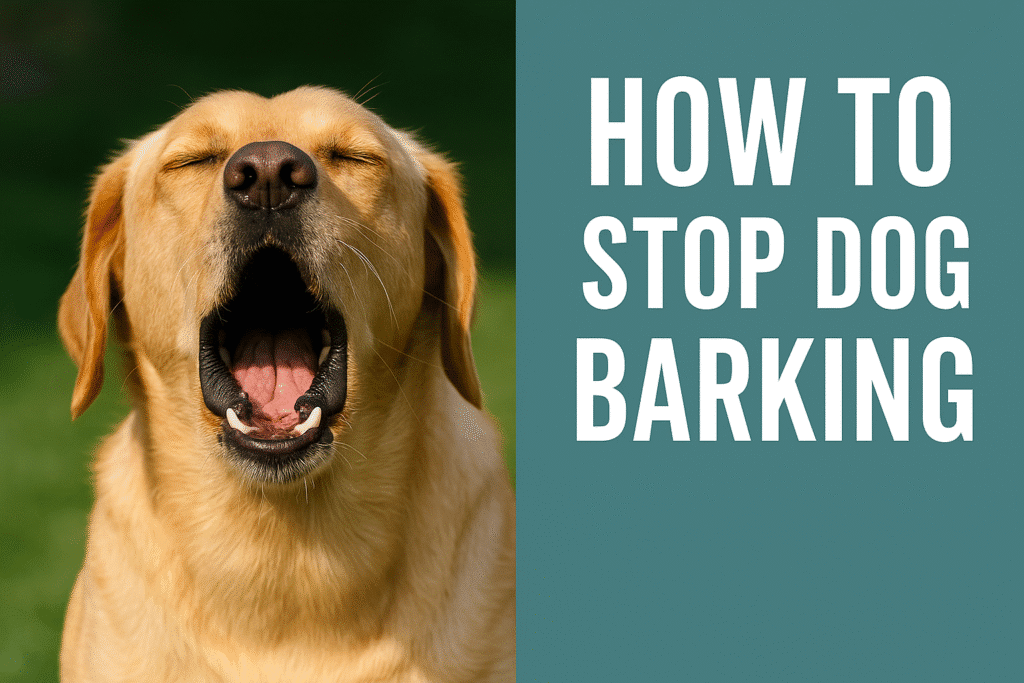
How to Stop Dog Barking: 7 Training Methods That Work (and Tools to Skip)
The most reliable way to stop excessive dog barking is to find out why your dog is barking, remove or reduce the trigger, and reward quiet. Punishment, yelling and anti-bark collars usually suppress the sound without fixing the cause, and can make fear-based barking worse. Below are seven methods that work, a step-by-step “quiet” lesson, and calming and enrichment tools worth buying. Key Takeaways Diagnose first. Alert barking, boredom, attention seeking, fear and separation anxiety need different fixes. Reward quiet, do not reward barking (even by yelling back, which dogs can read as joining in). Meet exercise and enrichment needs. A bored dog barks more. Manage the trigger with window film, white noise or distance while you train. Avoid shock and spray collars. Major behavior and veterinary groups recommend reward-based training instead. Persistent or anxious barking deserves a vet check and a qualified trainer or veterinary behaviorist. General information, not veterinary or behavior advice. Contains affiliate links; we may earn a commission at no extra cost to you. See our Disclosure. Why Do Dogs Bark? Type of barking What it looks like Best approach Alert or territorial Barks at doorbells, passers-by, noises Block the view, teach “quiet”, desensitize Excitement or greeting Barks at arrivals and during play Teach calm greetings, reward four paws on the floor Attention seeking Barks at you, then looks at you Ignore, then reward quiet Boredom or frustration Barks when left alone or under-exercised More exercise, puzzle toys, enrichment Fear or anxiety Barks with trembling, pacing, panting, hiding Calm environment, counter-conditioning, vet or behaviorist Separation distress Barking and howling only when alone Gradual alone-time training, professional help Many dogs bark for more than one reason. Excessive barking is one of the most commonly reported behavior complaints among dog owners, so you are not alone. Percentages vary by study, so we skip a single number here. 7 Ways to Stop Dog Barking 1. Ignore Attention-Seeking Barking If your dog barks at you for food, play or attention, any reaction is a reward, even scolding. Stay calm, turn away and avoid eye contact. The moment there is a pause, even two seconds, reward it with attention or a treat. Expect barking to get a little worse before it improves, and make sure the whole household is consistent. 2. Teach a “Quiet” Cue Wait for your dog to bark at a mild trigger, then let them bark a few times. Hold a high-value treat at their nose. They can’t sniff and bark at once. The instant they stop, say “Quiet” calmly and give the treat. Gradually extend the silence before the reward: 2 seconds, 5, 10 and beyond. Practice in short sessions, then try it with real triggers. Say the cue once, in a calm voice. Do not shout it. 3. Desensitize and Counter-Condition Triggers Pick one trigger, such as a doorbell recording. Play it so softly that your dog notices but doesn’t bark. Pair it with treats while the dog stays calm. Raise the intensity gradually over several days. If your dog barks, you went too fast, so step back. For people or dogs passing outside, you can also use the same process at a distance, then gradually move closer. 4. Manage the Environment While you train, make it easier for your dog to succeed. Close curtains or use frosted window film so they can’t see passers-by, move the dog’s resting spot away from the door, and use white noise to mask outdoor sounds. 5. Increase Exercise and Mental Enrichment A dog with energy to burn is more likely to bark. Give breed-appropriate daily exercise, plus brain work: sniff walks, food puzzles, scatter feeding, short training sessions and chew toys. A stuffed, frozen food toy can keep a dog busy for a good while. 6. Stay Calm and Consistent Yelling sounds like barking to your dog and adds to the excitement. Use a calm voice, reward quiet and keep the rules the same for everyone at home. If barking spirals, calmly guide your dog to a quiet room or crate for a short break, as a reset and never as punishment. 7. Calm Fear-Based Barking If barking comes with trembling, panting, pacing or hiding, treat the fear, not the noise. A snug anxiety wrap can help some dogs during storms or fireworks, and a safe den space helps too. It is not a cure, and results vary, so combine it with training. For separation anxiety, see a vet or qualified behaviorist. Quick Fixes in the Moment Redirect and reward. Call your dog cheerfully, ask for a simple “sit” or “touch”, and reward when they are quiet. Move away from the trigger. Close the blinds or lead your dog to another room. Keep treats near the door so you can reward calm at the right moment. Why We Don’t Recommend Bark Collars Static-shock, citronella spray and ultrasonic collars and handheld devices are marketed as quick fixes, but they only punish the barking. They do not address why the dog barks, and the American Veterinary Society of Animal Behavior (AVSAB) recommends reward-based training and advises against aversive methods such as shock, because they can raise fear and stress and sometimes cause new behavior problems. This is especially risky for dogs who bark from fear or anxiety. If you are struggling, a certified trainer or a veterinary behaviorist is a better investment than a collar. When to See a Vet or Trainer Barking started suddenly or changed in an older dog. Pain, hearing loss and cognitive changes can all be causes. Barking comes with destruction, house soiling, panting or drooling when you leave. You have worked on it consistently for several weeks without progress. More enrichment ideas are in our pet shop. Frequently Asked Questions How long does it take to stop a dog from barking? Simple habits can improve in a couple of weeks of consistent practice. Fear, anxiety or long-standing habits can take months and often benefit from a professional. Should I yell at my dog to be
How to Stop Dog Barking: 7 Training Methods That Work (and Tools to Skip) Read More »