Want to know how to stop a puppy from biting? Teach softer mouthing first, then no mouthing at all. The moment teeth press too hard, go still, say “ouch” or simply stop, and give your puppy a toy to bite instead. Do it every time, add plenty of naps, and most puppies ease off a lot once their adult teeth are in, at around 6 to 7 months.
If your hands look like you’ve been wrestling a cactus, you’re in good company. Puppy biting is normal. Puppies explore the world with their mouths the way babies use their hands. That doesn’t mean you have to live with it, though. And here’s the part most guides skip: what works at 9 weeks isn’t quite what works at 5 months.
So below you’ll find a simple routine for any bite, then an age-by-age plan from 8 weeks to 7 months, plus fixes for ankle biting, the “evening crazies” and puppies around kids.
🐶 Quick Answer: How to Stop a Puppy From Biting
- In the moment: freeze, go limp, a short “ouch” or “oops,” pause play for 10 to 30 seconds, then offer a toy.
- Every day: 18 to 20 hours of sleep, chew toys in every room, and short training sessions that reward calm.
- Never: hit, hold the mouth shut, scruff or yell. Punishment can make biting worse and scare your puppy.
- When it eases: usually after the adult teeth are in, around 6 to 7 months. Get help sooner if bites draw blood or come with stiff growling.
In this guide
Why Puppies Bite (and Why It’s Actually Useful)
Puppies bite for three main reasons: they’re exploring, they’re teething, and they’re playing. Back in the litter, they mouthed their brothers and sisters all day. When one bit too hard, the other yelped and walked off. That’s how puppies learn bite inhibition, the skill of controlling how hard they bite.
Your puppy left that classroom at around 8 weeks. Now you’re the littermate. And honestly, that’s a good thing. The ASPCA explains that a dog who learns gentle mouthing as a puppy is less likely to bite hard if it ever bites later in life out of fear or pain.
That’s why the goal isn’t to make your puppy afraid to use its mouth. It’s a two-stage plan:
- Stage one: teach soft mouths. Hard bites end the fun. Gentle ones are okay for now.
- Stage two: teach “teeth never touch skin.” Any contact ends the fun.
Keep that two-stage idea in mind, because the age plan below is built on it. Now let’s look at what to do the second those needle teeth land.
The 5-Step Routine for Every Bite
This is the routine to run every time, whether your puppy is 9 weeks or 5 months old. Consistency matters more than any single trick.
- Freeze and go limp. Pulling your hand away fast turns it into a chase toy. A still hand is boring.
- Mark it. Say a short, calm “ouch” or “oops.” The ASPCA suggests a high yelp, but limit it to about three times in 15 minutes. If yelping makes your puppy more excited, skip it and just go quiet. Some pups find squeaky noises thrilling.
- Pause the play. Turn away or stand up for 10 to 20 seconds. If your puppy keeps at it, step behind a baby gate for 30 to 60 seconds.
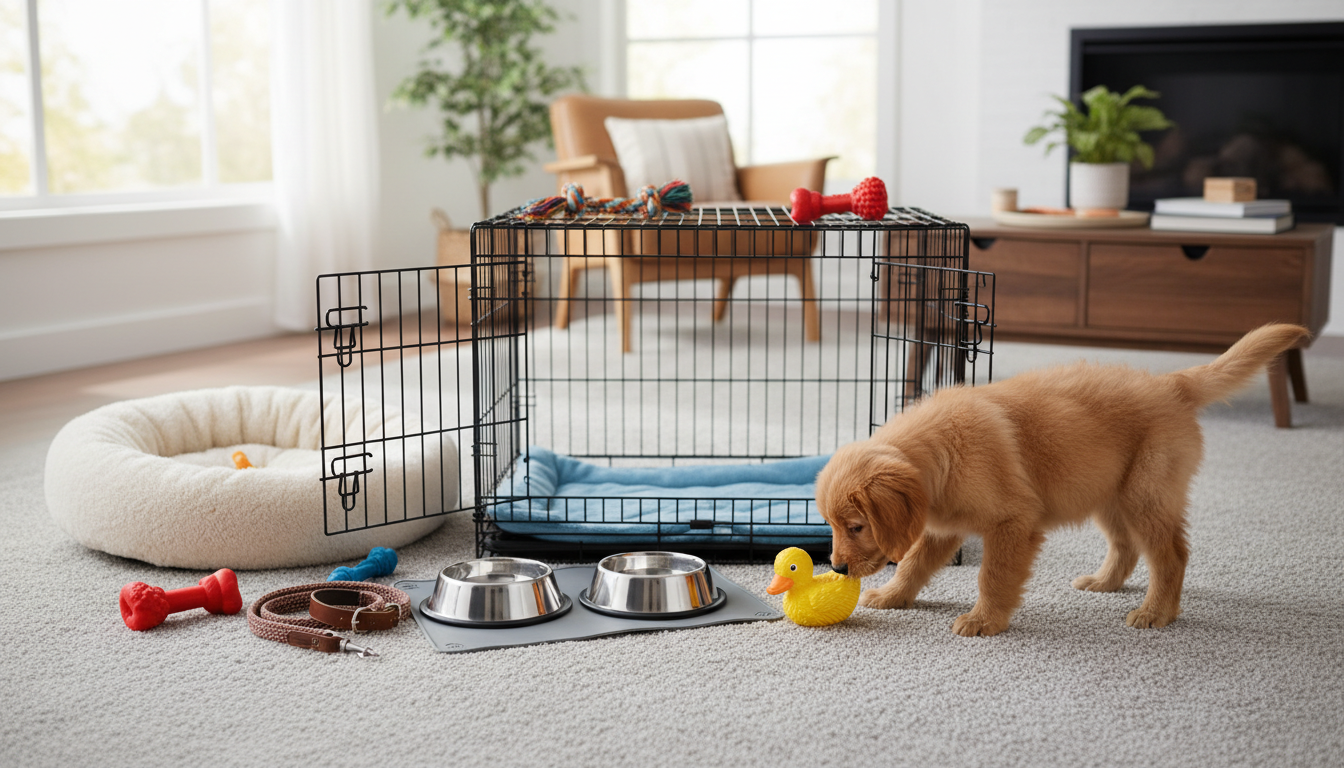
- Redirect. Come back with a toy, ideally a long tug toy or a soft chew, so there’s distance between the teeth and your fingers.
- Reward calm. When your puppy licks, sits or plays with the toy instead, praise and play again. That’s the behavior you want to grow.
Picture this. Your 10-week-old lab mix grabs your sleeve during a game. You freeze, say “oops,” and turn your back for 15 seconds. Then you turn around holding a rope toy. She grabs it and you play tug. Thirty seconds later she aims for your wrist again, and you repeat. It feels slow on day one. By day ten, she starts reaching for the rope herself.
Age-by-Age Plan: 8 Weeks to 7 Months
Here’s where most puppy biting guides stop being useful. A 9-week-old and a 5-month-old bite for different reasons, so the plan should change as your puppy grows.
| Age | What’s going on | Your main goal | Top tactics |
|---|---|---|---|
| 🍼 8–10 weeks | New home, exploring everything with the mouth, needs huge amounts of sleep | Soft mouths (stage one) | Hard bites end play; naps in a crate or pen; toys everywhere |
| 🔥 10–16 weeks | Peak biting, often around 13 weeks; adult teeth start coming in at 12–16 weeks | Finish stage one, start stage two | Puppy class; any tooth contact gets a short pause; reward calm |
| 🦷 4–7 months | Teething; chewing furniture, shoes and hands | No teeth on skin (stage two) | Frozen and soft rubber chew toys; puppy-proof the house; more sniff walks |
| ✅ 6–7 months + | Adult teeth in by about 7 months; biting should be fading | Keep good habits | If biting hasn’t improved by 6 months, call a trainer or behavior pro |
Ages are typical ranges from PetMD and the AKC. Every puppy is a little different.
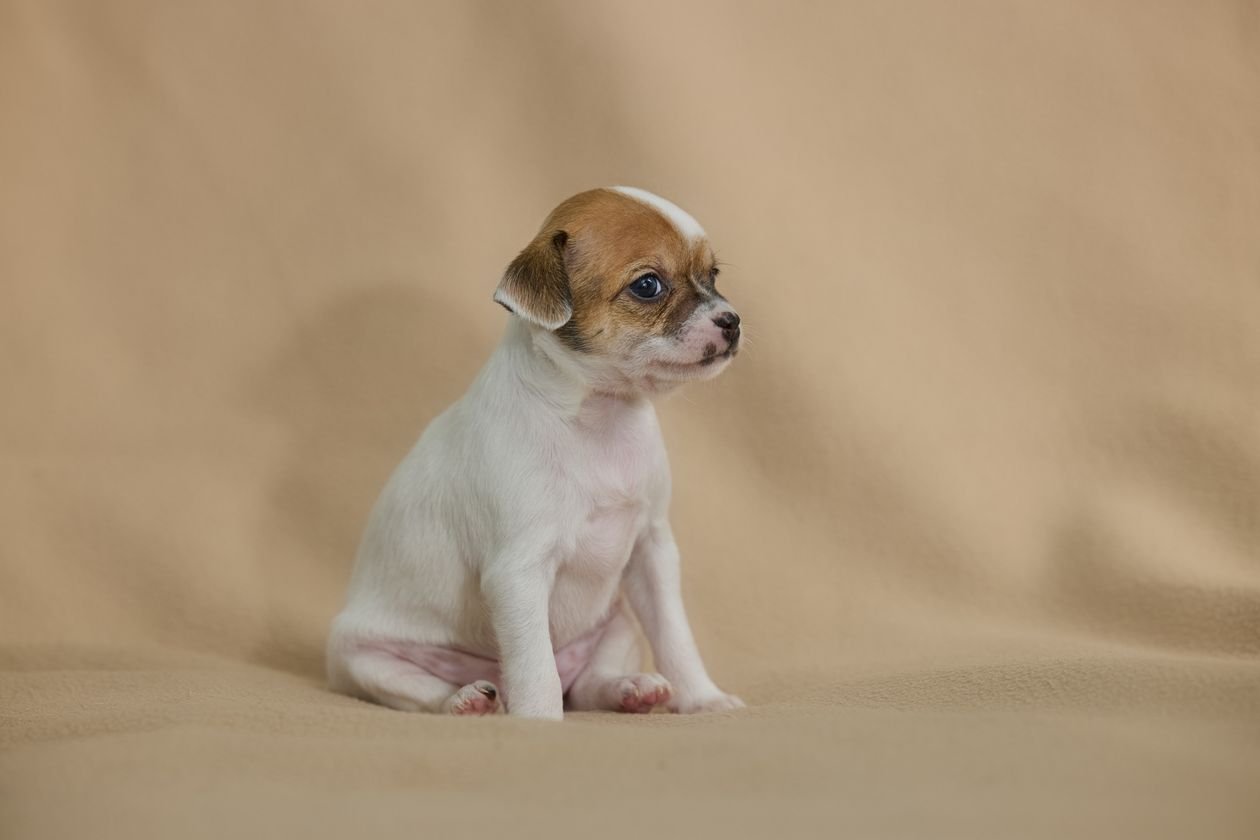
8 to 10 weeks: the “soft mouth” stage
Your puppy just arrived. Everything is new, everything goes in the mouth, and those teeth are sharp. At this age, focus only on hard bites. Gentle mouthing can slide for now.
Sleep is your secret weapon here. The AKC says puppies usually sleep 18 to 20 hours a day. An overtired puppy acts like a toddler past bedtime: wild, mouthy and hard to reach. If your puppy has been awake for an hour or more and suddenly turns into a shark, it’s nap time, not training time. A quiet crate or pen with a chew toy fixes more biting than any command.
10 to 16 weeks: peak biting
This is the stage when people start searching “is my puppy aggressive?” Usually the answer is no. PetMD notes that biting often peaks around 13 weeks, right as adult teeth start pushing through at 12 to 16 weeks.
Now you can start stage two. Once hard bites are rare, treat any tooth contact the same way: a short pause, then a toy.
This is also the best time for a puppy class. The American Veterinary Society of Animal Behavior says the first three months are the most important time for socialization, and a good class lets your puppy practice soft play with other puppies. Ask your vet which vaccines your puppy needs before joining.
4 to 7 months: teething
Your puppy’s gums are sore, and chewing makes them feel better. Expect chewed chair legs and stolen socks. Offer chew toys with different textures: soft rubber, a rope toy, and a toy you’ve soaked and frozen. Rotate them so they stay interesting. Always supervise chewing, since pieces can be swallowed.
This is also when bigger puppies start to get pushy. A 5-month-old shepherd mix hanging off your sleeve is a very different problem from a 9-week-old pup. More exercise helps, but so does brain work. Ten minutes of sniffing on a walk or a food puzzle can tire a puppy out as much as running.
6 to 7 months and up: it should be fading
By about 7 months, all the adult teeth are usually in. If you’ve been consistent, mouthing should be rare. The AKC says that if biting hasn’t eased by around 6 months, it’s time to bring in a trainer or a behavior professional. Don’t wait for it to fix itself.
Our puppy growth chart shows what else changes at each of these stages.
Hands, Ankles, Clothes and the Evening Crazies
Different kinds of biting need slightly different fixes. Here’s a quick guide, then a closer look at each.
| Problem | Why it happens | What to do |
|---|---|---|
| ✋ Biting hands during petting | Hands moving near the face look like toys | Pet with one hand, feed small treats with the other; keep petting short |
| 🦶 Ankle and feet biting | Moving feet trigger chase instincts | Stop moving, offer a toy, walk on only when the toy is in the mouth; drag a tug toy behind you |
| 👕 Pulling clothes and pant legs | Tug game that you accidentally joined | Go still, trade for a toy, wear old clothes during training weeks |
| 🌙 Evening “zoomies” biting | Overtired or under-exercised | Calm sniff walk, then a nap in the crate or pen with a chew |
| 🍖 Biting when you take something | Guarding a prized item | Trade up for a treat; don’t grab. Get help if it comes with growling |
Puppy biting hands and fingers
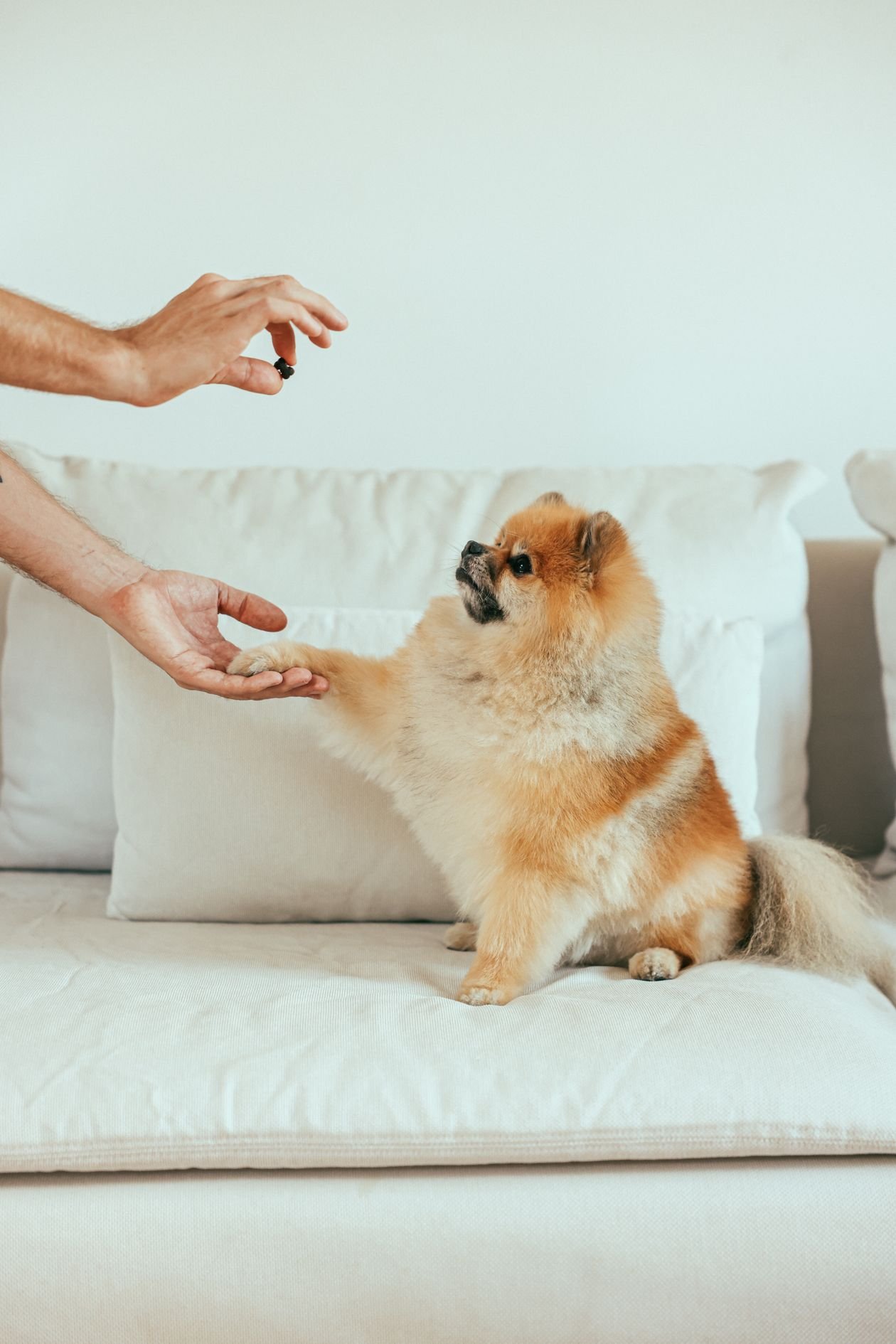
Wiggly fingers in front of a puppy’s face are an invitation. Instead, pet your puppy under the chin and on the chest, not the top of the head, and use the other hand to give tiny treats while you pet. The ASPCA also suggests switching to games that don’t use your hands, like fetch and tug.
Puppy biting ankles and feet
Here’s a common morning. You walk to the coffee maker and a 12-pound terrier attaches itself to your slipper. If you shake your foot or keep walking, you’ve invented the world’s best game. Instead, stop, hold a toy at ankle level, and only move once the toy is in her mouth. The AKC also suggests holding a tasty treat by your leg as you walk, so she follows instead of pouncing.
The evening crazies
Plenty of puppies turn into land sharks between 6 and 9 p.m. It’s not bad behavior. It’s usually a tired puppy who has run out of patience. Try this: a 10-minute calm sniff walk or a food puzzle, a potty break, then the crate or pen with a chew toy and the lights low. Most owners are surprised how fast the puppy falls asleep.
Puppies and Kids
Kids are the hardest part of puppy biting. They move fast, squeal and run, and all of that looks like play to a puppy. A 7-year-old who screams and runs when nipped is accidentally teaching the puppy to nip again.
Set a few family rules:
- An adult supervises every puppy and kid session. No exceptions while biting is still common.
- Kids play with toys, not hands. Give them a long rope or a flirt pole so there’s distance between teeth and skin.
- “Be a tree.” Teach kids to stop, fold their arms and look away when the puppy nips. Make it a game they practice.
- Puppy gets a safe space. A crate or gated area where kids don’t follow.
If your puppy does break skin, wash the wound with soap and water. Mayo Clinic advises prompt medical care for deep punctures, heavy bleeding or signs of infection like spreading redness or swelling. With kids, it’s always fine to call the pediatrician to ask.
Mistakes That Make Puppy Biting Worse
Most of these come from good intentions. That’s why they’re so common.
- Punishing the puppy. Hitting the nose, holding the mouth shut or “scruffing” can make puppies fearful and, according to the ASPCA, can actually make biting worse.
- Yelling. The AKC notes that yelling can work like a reward and make puppies scared of being handled.
- Pulling your hand away fast. It turns your hand into prey. Go limp instead.
- Rough play with hands. Wrestling teaches that skin is a chew toy.
- Using the crate as punishment. The crate should be a calm nap spot, never jail.
- Inconsistent rules. If Dad allows hand-biting games and Mom doesn’t, the puppy learns that biting sometimes pays off.
- Ending play forever. The goal is gentle play, not no play. Bored puppies bite more.
Play Biting or a Real Problem?
Most puppy biting is play. But it helps to know the difference, so you’re not worried for no reason, or ignoring something that needs help.
| Normal play biting | Get help if you see |
|---|---|
| Loose, wiggly body and soft face | Stiff or frozen body before a bite |
| Play bows, bouncing, tail wagging loosely | Lips pulled back, hard stare, deep growl |
| Bites ease when you pause play | Bites get harder or break skin despite training |
| Happens during games and when tired | Happens when touched, handled, groomed or near food or toys |
| Gets better week by week | No improvement by 6 months |
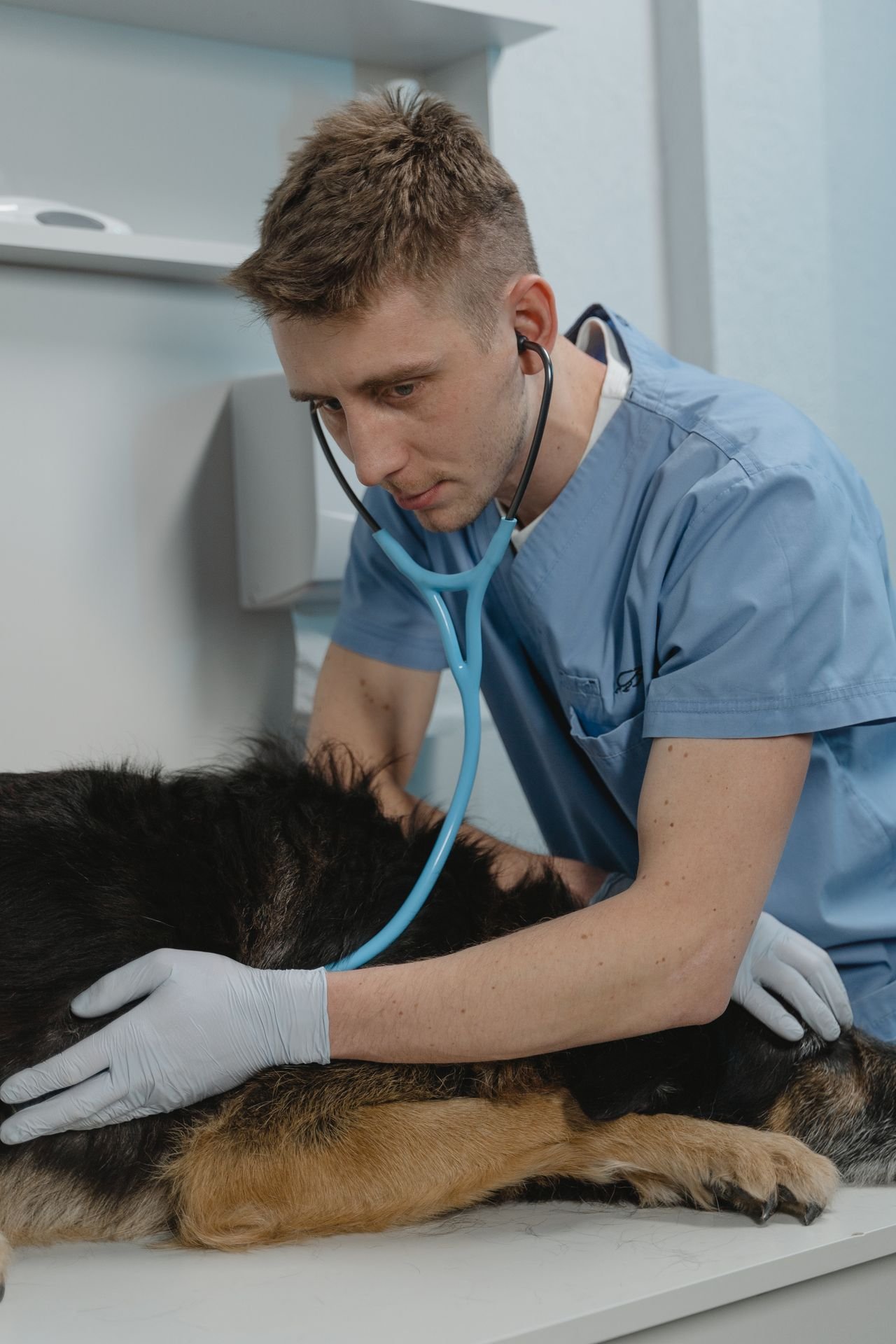
If the right column sounds familiar, call your vet first to rule out pain, such as a sore mouth. Then look for a qualified behavior professional. The ASPCA recommends a Certified Applied Animal Behaviorist (CAAB) or a board-certified veterinary behaviorist (DACVB). A Certified Professional Dog Trainer (CPDT) can also help, as long as they have experience with fear and aggression. If stress seems to be part of the picture, our guide on how to reduce anxiety in dogs is a good next read.
Frequently Asked Questions
At what age do puppies stop biting?
Most puppies bite much less once their adult teeth are in, at around 6 to 7 months. Biting often peaks near 13 weeks. If it hasn’t improved by 6 months, the AKC recommends getting help from a trainer or behavior professional.
Is it normal for my puppy to bite me aggressively?
Hard, frantic biting is usually overtired or overexcited play, not true aggression. Warning signs are a stiff or frozen body, lips pulled back, deep growling, or biting when handled or near food. If you see those, talk to your vet and a behavior professional.
Should I yelp when my puppy bites?
A short “ouch” works for some puppies, but it makes others more excited. The ASPCA suggests limiting yelps to about three in 15 minutes. If it isn’t working, simply go quiet and pause play instead.
How do I stop my puppy from biting my feet and ankles?
Stop moving the moment your puppy grabs your feet, hold a toy at ankle level, and only walk again once the toy is in its mouth. Dragging a tug toy behind you or holding a treat by your leg as you walk also helps.
Why does my puppy bite more at night?
Evening biting is usually a sign of an overtired puppy. Young puppies need 18 to 20 hours of sleep a day. A calm sniff walk, a potty break and a nap in a crate or pen with a chew toy usually settles it.
Should I punish my puppy for biting?
No. Hitting, scruffing or holding the mouth shut can make a puppy fearful and can increase biting. Pausing play, redirecting to a toy and rewarding calm behavior works better and protects your bond.
The Bottom Line
Stopping a puppy from biting comes down to three things you do every single day: pause the fun when teeth hit skin, hand over a toy, and make sure your puppy gets enough sleep. Teach soft mouths first, then no teeth on skin, and adjust as your puppy moves through the teething months.
It won’t happen overnight. But if you stay consistent, the sharp little shark you brought home at 8 weeks will most likely be a gentle-mouthed dog by 7 months. And if things aren’t improving by 6 months, reach out for help early. It’s much easier to fix then than at 2 years.
Keep learning: more puppy guides from Pet Buddies Care
- Puppy growth chart: weight by age and size
- A simple puppy morning routine for beginners
- How to introduce your dog to a new puppy
- How to stop dog barking: 7 training methods that work
Sources: ASPCA; American Kennel Club; PetMD (Wailani Sung, DVM, DACVB); American Veterinary Society of Animal Behavior via Purdue University Center for Animal Welfare Science; Mayo Clinic. Updated November 2026. This guide is general information, not veterinary advice. Talk to your vet about your own puppy.
What’s the worst thing your puppy has bitten so far? Tell us in the comments.