
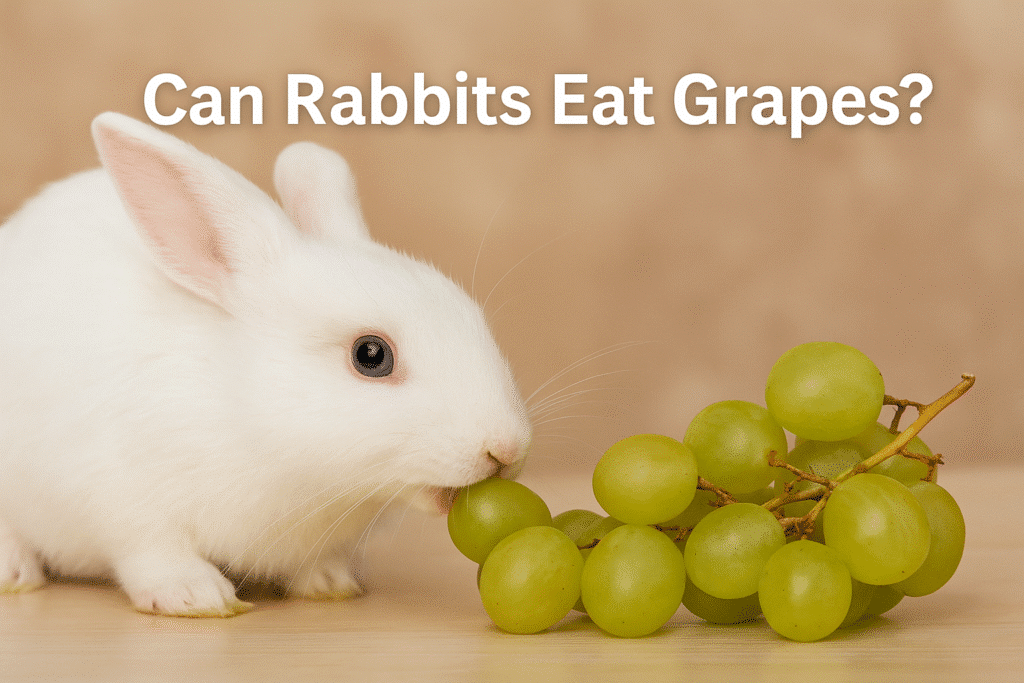
Can Rabbits Eat Grapes? Safe Amounts, Risks and Better Treats
Yes, adult rabbits can eat grapes. Unlike dogs, rabbits aren’t poisoned by them. But grapes are high in sugar, so keep them to one or two small pieces, no more than once or twice a week, and never in place of hay. Baby rabbits shouldn’t have grapes at all. Key Takeaways Safe in tiny amounts: a fresh grape cut in half or smaller, a couple of times a week at most. Why limit them: sugar can upset a rabbit’s gut and encourage weight gain. Skip raisins and grape juice. They are far more concentrated in sugar. Hay is the foundation. Most of a rabbit’s diet should be unlimited grass hay. Dog warning: grapes and raisins are toxic to dogs, so keep them away from other pets. General information, not veterinary advice. Contains affiliate links; we may earn a commission at no extra cost to you. See our Disclosure. Are Grapes Safe for Rabbits? Ripe grapes are not toxic to healthy adult rabbits, and the Dodo notes they contain some fiber, vitamins and water. The nutritional benefit is small, though. Grapes are mostly water and sugar, so treat them as a tasty extra. Fresh seedless grapes are best. Young rabbits should stick to hay and pellets until they are mature, because their digestion is more fragile. How Many Grapes Can a Rabbit Have? Rabbit Suggested portion How often Dwarf or small adult Half a grape, cut small Once or twice a week Medium adult One grape, halved Once or twice a week Large adult One or two grapes, halved Once or twice a week Baby rabbit (under about 6 months) None Not recommended These are conservative amounts based on common rabbit-care guidance. Ask your vet about your rabbit. Rabbit organizations, such as the San Diego House Rabbit Society, recommend offering fruit only as a small treat. All fruit together should stay a small fraction of the diet, so count apple, banana and berries toward the same limit. How to Serve Grapes Safely Wash well to remove pesticides and wax, and remove the stem. Choose seedless, or remove seeds. Cut into small pieces to reduce choking risk. Introduce slowly. Try a small piece, then wait 24 hours for any soft stool or changes. Make sure hay and water are always available before and after treats. Risks of Too Many Grapes Sugar overload: can upset the balance of gut bacteria, causing soft stool or diarrhea. GI stasis: a dangerous slowdown of the gut. Signs include no droppings, no appetite, a hunched posture or tooth grinding, and it is an emergency. Weight gain and picky eating: rabbits who fill up on sweet food may ignore hay. Choking: whole grapes are slippery and can be a hazard to small rabbits. Call your vet or an exotic vet right away if your rabbit stops eating, produces no droppings for 8 to 12 hours, looks bloated or lethargic. Rabbits can decline quickly. Raisins, Grape Juice and Other Grape Products Skip them. Raisins and dried fruit are much more concentrated in sugar, and juice has no fiber. Stick with a fresh piece, if you offer grapes at all. What Should a Rabbit Eat Every Day? Food Share of the diet Notes Grass hay (timothy, orchard) The large majority, unlimited Wears down teeth and keeps the gut moving Fresh leafy greens A generous daily handful or more Romaine, cilantro, parsley and similar Plain pellets A measured portion Timothy-based for adults Fruit and treats A very small amount Grapes, apple, berries, only occasionally Many sources describe hay as around 80% or more of an adult rabbit’s diet, as noted by PetMD and the RSPCA. Rabbit Food, Hay and Toys We Like Timothy Hay Unlimited hay is the single most important part of a rabbit’s diet. Choose fresh, green, dust-free hay. Timothy-Based Pellets Oxbow Essentials adult rabbit food is a popular vet-recommended option made mostly from timothy hay. Feed a measured amount for your rabbit’s weight. Chew Toys for Teeth and Boredom Rabbit teeth grow continuously, so chewing matters. Untreated wood sticks, apple wood and sisal balls are popular choices. Heavy No-Tip Food Bowl A weighted, no-skid bowl keeps pellets from being flipped. This one is sold for cats and dogs but suits many rabbits. More pet supplies are in our pet shop. Frequently Asked Questions Can rabbits eat grapes with seeds? It is safer to remove seeds or choose seedless grapes, since seeds and whole grapes can be a choking hazard. Can rabbits eat grape leaves or vines? Pesticide-free grape leaves are generally considered safe in small amounts, but only offer ones you are sure are untreated. Are grapes toxic to rabbits like they are to dogs? No. Grapes are not known to be toxic to rabbits, but they are toxic to dogs, so keep them away from dogs. What fruits are better than grapes for rabbits? Small amounts of apple (no seeds), blueberries or strawberry are common choices. All fruit is sugary, so the same portion limits apply. My rabbit ate too many grapes. What now? Offer plenty of hay and water and watch closely. If droppings stop, your rabbit stops eating or looks bloated or lethargic, contact a vet urgently. Sources The Dodo: Can Rabbits Eat Grapes? PetMD: What Do Rabbits Eat? RSPCA: Rabbit Diet San Diego House Rabbit Society: Fruit Chewy: Can Rabbits Eat Grapes? Last reviewed: November 2026. Check with a rabbit-savvy vet about your rabbit’s diet.
Can Rabbits Eat Grapes? Safe Amounts, Risks and Better Treats Read More »