
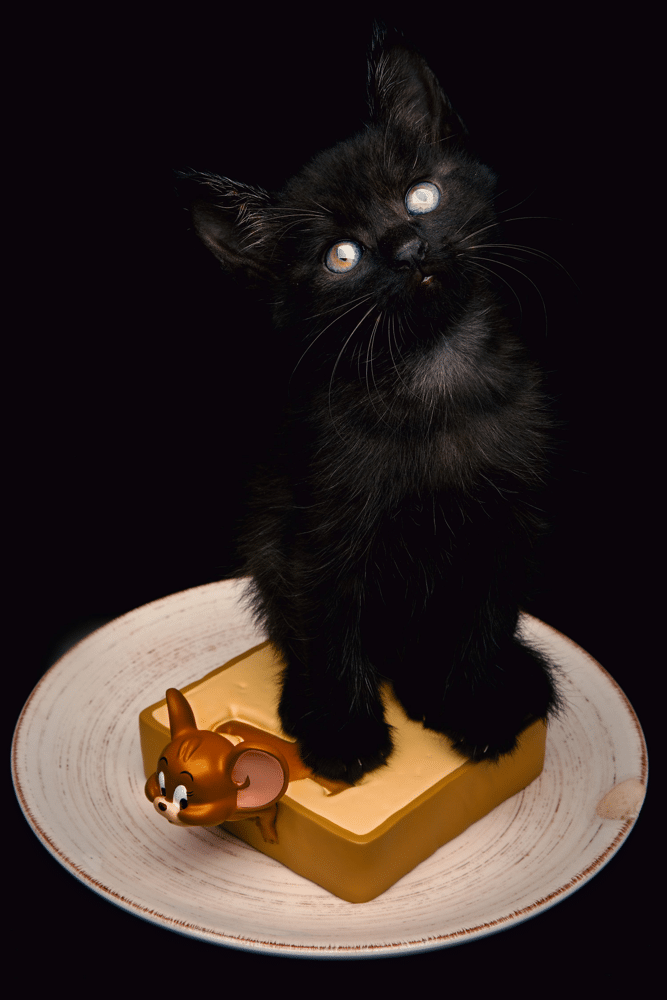
Can Cats Eat Cheese? What Vets Say About Safety, Amounts and Better Treats
Cheese isn’t poisonous to cats, but it isn’t good for them either. Cats are obligate carnivores, many are lactose intolerant, and cheese is high in fat, salt and calories. A tiny plain bite once in a while is unlikely to hurt a healthy adult cat. It should never be a regular treat. Key Takeaways Not toxic, but not ideal. Cheese is rich in fat and salt, and cats do not need dairy. Many cats are lactose intolerant. Dairy can cause gas, diarrhea or vomiting. If you share, use a pea-sized piece of plain hard cheese, rarely, and keep all treats to about 10% of daily calories. Avoid cheese with onion, garlic, chives, herbs or spices, and blue cheeses, which can contain compounds harmful to pets. Better treats: freeze-dried meat, small pieces of cooked plain chicken or fish, and cat-specific treats. General information, not veterinary advice. Contains affiliate links; we may earn a commission at no extra cost to you. See our Disclosure. Is Cheese Bad for Cats? PetMD notes that cheese is not poisonous to cats, but it is rich and fatty. Cats don’t need dairy, and most adult cats make little lactase, the enzyme that digests lactose. The Cornell Feline Health Center advises against milk as a treat because many cats are lactose intolerant and can develop digestive problems from dairy. Calories add up fast too. A cat needs only around 200 to 250 calories a day, and a single slice of cheese can be a sizable share. Regular cheese treats can lead to weight gain, and heavy fatty foods can trigger stomach upset or, in some cats, pancreatitis. Which Cheeses Are Safer (and Which Are Not)? Type Lactose Verdict for cats Hard aged (cheddar, Swiss, Parmesan) Low Tiny plain piece, very rarely. Salty. Mozzarella, plain Moderate Small bite at most Cottage, cream, ricotta Higher More likely to upset the stomach Blue or mold-ripened cheese Varies Avoid. Some molds produce harmful compounds. Flavored with onion, garlic, chives or herbs Varies Avoid. Onion and garlic are toxic to cats. Processed cheese slices and spreads Varies Avoid. High in salt and additives. Always plain, always tiny. When unsure, skip it. Signs of Lactose Intolerance Symptoms usually appear within hours of dairy: Loose stool or diarrhea Gas and a bloated belly Vomiting Reduced appetite Mild signs usually pass in a day. Call your vet if vomiting or diarrhea repeats, if your cat is lethargic or stops eating, or if she is a kitten, a senior or has a health condition. What to Do If Your Cat Ate Cheese Check what it was. Plain cheese is low risk. Cheese with onion, garlic, chives or lots of herbs, or a large amount, is more concerning. Offer fresh water. Cheese is salty. Watch for 24 hours for vomiting, diarrhea or lethargy. Skip extra food or “remedies” unless your vet says so. Call your vet if signs appear or your cat ate a seasoned or large amount. Using a dab of soft cheese to hide a pill is a common trick, but ask your vet first, and use the smallest amount possible. Some medications work better with other food. Better Treats Than Cheese Freeze-dried chicken, fish or turkey are high in protein and low in carbs. Small pieces of plain cooked chicken or fish, with no seasoning, bones or skin. Dental treats made for cats. Lactose-free cat milk made for cats, occasionally. Regular cow’s milk is not recommended. Play. A short play session with a wand toy is a reward that adds no calories. For rainy-day play ideas, see our interactive cat toys for indoor cats guide and our pet shop. Frequently Asked Questions Can kittens eat cheese? It is best to avoid it. Kittens have sensitive digestion and need a complete kitten food. Ask your vet about treats. Can cats eat cheese every day? No. Daily cheese adds fat, salt and calories that raise the risk of obesity and stomach upset. Is cream cheese safe for cats? Plain cream cheese is not toxic, but it is high in lactose and fat. Flavored versions with onion, garlic or chives are unsafe. Can cats drink milk? Cow’s milk is not recommended. Many cats cannot digest lactose. Fresh water is the right drink, and lactose-free cat milk is an occasional treat. How much treat food is okay? Keep treats to about 10% of your cat’s daily calories, with the rest from complete and balanced cat food. Sources PetMD: Can Cats Eat Cheese? Cornell Feline Health Center: Feeding Your Cat Cats.com: Can Cats Eat Cheese? Last reviewed: November 2026. Talk to your vet about your cat’s diet, especially if she has a health condition.
Can Cats Eat Cheese? What Vets Say About Safety, Amounts and Better Treats Read More »