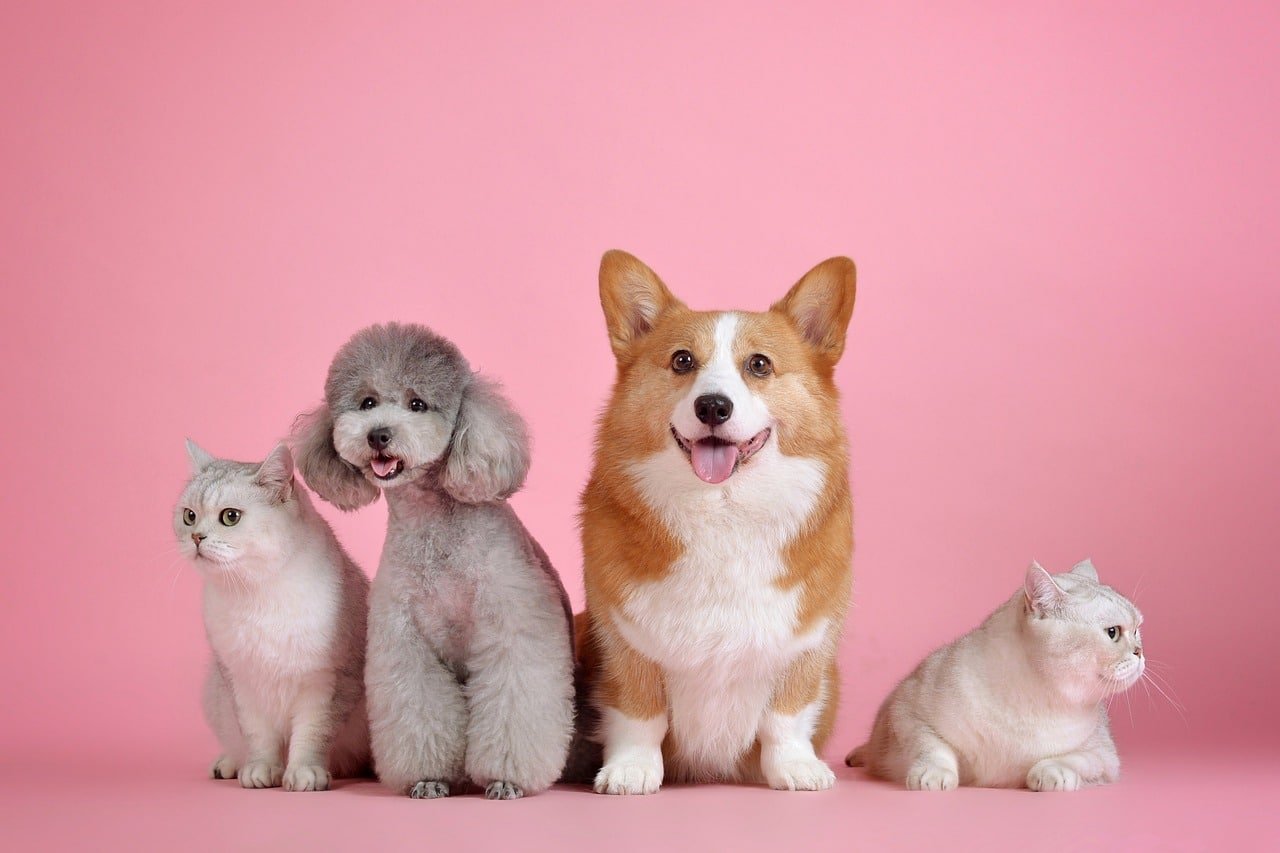
The easiest pets to take care of are cats, betta fish, goldfish in a proper tank, guinea pigs, hamsters, leopard geckos, budgies and rabbits. No pet is “no effort”. Easy means a simple routine, modest space and cost, and no daily walks. Choose by your schedule, budget and how much interaction you want.
Key Takeaways
- Easiest overall: a healthy adult cat, a betta fish or a leopard gecko.
- Most social: guinea pigs, rabbits, budgies and cats. Plan for daily interaction.
- Often sold as “starter” pets but need more than people expect: goldfish, turtles and chinchillas.
- Budget for the setup, food, and vet care for any pet.
- Check local rules and your lease before you bring a pet home.
This article contains affiliate links. We may earn a commission if you buy through them, at no extra cost to you. See our Disclosure.
Easy Pets at a Glance
| Pet | Daily time | Space needed | Interaction | Main catch |
|---|---|---|---|---|
| Betta fish | 5 minutes | Small | Low | Needs a heated, filtered tank, ideally 5 gallons or more |
| Leopard gecko | 10 minutes | Small to medium | Low | Needs correct heat and live insects |
| Cat | 30+ minutes | Medium | Medium | Lives 15+ years, vet costs |
| Hamster | 15 minutes | Small | Low | Nocturnal, lives alone |
| Guinea pig | 30+ minutes | Medium | High | Best kept in pairs, needs vitamin C |
| Budgie | 30+ minutes | Medium | High | Needs a big cage and company |
| Rabbit | 45+ minutes | Large | High | Needs space, hay and a rabbit-savvy vet |
| Goldfish | 10 minutes | Large tank | Low | Needs a big filtered tank, not a bowl |
| Turtle | 15 minutes | Large tank | Low | UVB light, large tank, 20+ year lifespan |
What Makes a Pet “Easy”?
Easy pets usually need little grooming, a simple diet, a small or self-contained home and no daily outings. But every animal is a living creature with real needs, a lifespan and vet costs. Pick the one whose needs match what you can give every single day.
1. Betta Fish
Bettas are colorful, hardy and good first fish. Despite the “bowl” myth, they do best in a heated, filtered tank of about 5 gallons or more. Tiny cube tanks are too small for a healthy life.

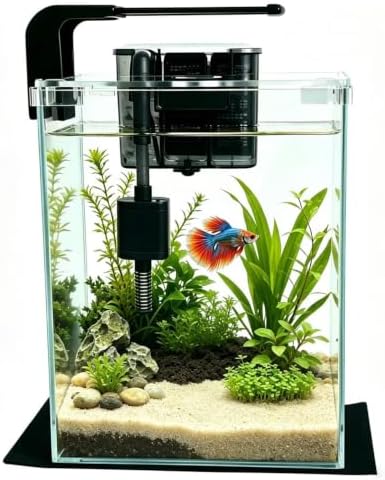
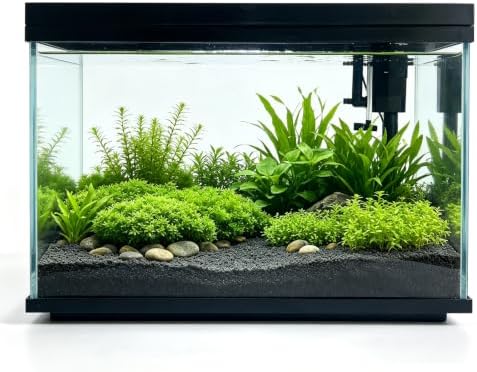
- Feed small portions once or twice a day.
- Keep water around 78 to 80 degrees Fahrenheit with a heater.
- Do partial water changes weekly.
2. Cats
Cats groom themselves, use a litter box and are fine alone for a normal workday, which is why they suit many busy owners. They still need daily play, fresh water, regular vet care and attention.


Thinking of adopting? Read how to adopt a cat in the USA and our guide to cat toys for bored cats.
3. Leopard Geckos
Leopard geckos are calm, rarely bite and can be handled gently. They need a warm side and a cooler side in their enclosure, a few hiding places, and live insects a few times per week.
4. Hamsters
Hamsters are small, nocturnal and active at night. Most species are best kept alone. They need a large cage with deep bedding, a wheel of the right size and daily fresh food and water.
5. Guinea Pigs
Guinea pigs are gentle and vocal, and they are social, so they do best in pairs. They need unlimited hay, fresh vegetables, vitamin C and a large enclosure with hiding places.

6. Budgies
Budgies are small, smart and playful. They need a roomy cage, toys, daily time out of the cage and company, either you or another budgie.
7. Rabbits
Rabbits are affectionate and can be litter-trained, but they need a lot of space, daily exercise, unlimited hay and a vet who treats rabbits. They are not a “starter cage pet”.

8. Goldfish
Goldfish are hardy, but they grow large and produce lots of waste, so a bowl is not enough. Plan for a filtered tank of 20 gallons or more for one fancy goldfish, bigger for more.
The most common reason new fish die is ammonia from waste in a tank that hasn’t cycled yet. Learn the warning signs and fixes in our guide on how to reduce ammonia in a fish tank.


9. Turtles and Chinchillas: Think Twice
Turtles live for decades, need a large tank with UVB lighting, and can carry Salmonella, so wash hands after handling. Chinchillas are sensitive to heat, need dust baths and can live 15 years or more. Both are rewarding but not truly low-effort.
How to Choose
- Time: how many minutes a day can you give?
- Space and noise: do you have room, and are your neighbors okay with it?
- Budget: include setup, food, bedding and vet care.
- Lifespan: fish and hamsters live a few years, cats and rabbits 10 to 15 years or more.
- Allergies and household: check allergies and young children’s needs.
For tools that make pet care easier, such as pet hair removal products, visit our pet shop.
Frequently Asked Questions
What is the easiest pet for a beginner?
For many beginners, a betta fish in a proper tank, a leopard gecko or an adult cat. Pick based on your schedule.
What is the easiest pet for a busy person?
Fish, reptiles and cats are common picks. Cats can be alone during the day, but still need daily time and care.
What is the easiest pet for kids?
Guinea pigs and fish are popular, but an adult must be responsible for daily care. Supervise handling of small animals.
Which pets are cheapest to keep?
Fish and hamsters usually cost the least month to month, but the proper setup and vet care still add up.
Sources
Last reviewed: November 2026. Check species-specific care guides and local regulations before you adopt.