
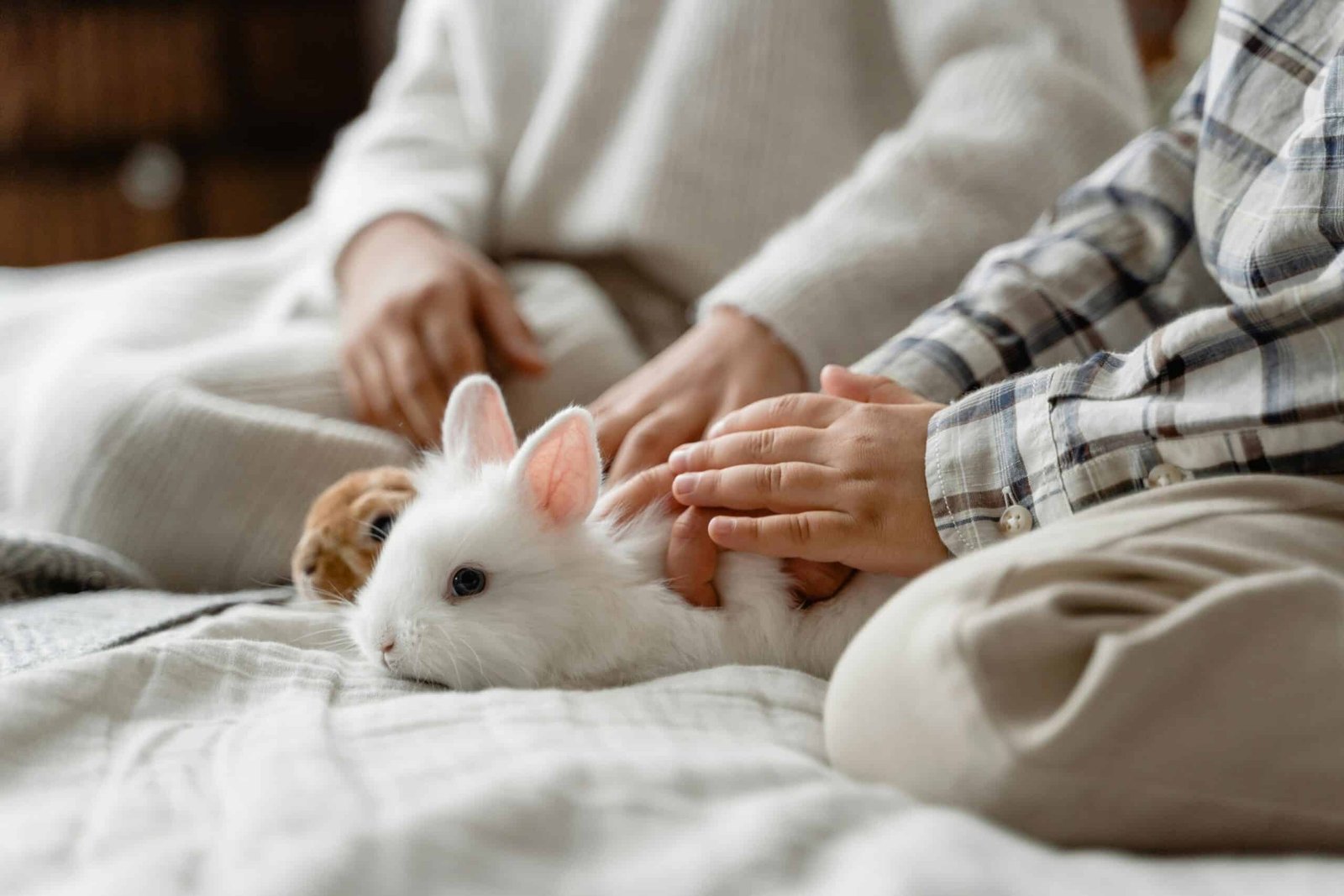
To care for a pet rabbit, give it a spacious pen with daily exercise time, unlimited grass hay (about 80% of the diet), fresh greens, a small portion of pellets, clean water, a litter box, and yearly checkups with a rabbit-savvy vet. Rabbits typically live 8 to 12 years with good care, so they are a long commitment.
Key Takeaways
- Diet: unlimited hay (about 80%), leafy greens, limited pellets, fruit only as a rare treat.
- Housing: a pen at least four times your rabbit’s stretched-out length, plus daily time outside it.
- Grooming: brush regularly, trim nails every 4 to 6 weeks, and never bathe your rabbit.
- Health: yearly exams, and see a vet quickly if your rabbit stops eating.
- Lifespan: usually 8 to 12 years.
This article is general information and not veterinary advice. It contains affiliate links. We may earn a commission if you buy through them, at no extra cost to you. See our Disclosure.
8-12 yrs
typical lifespan
80%
of diet is hay
4x
body length of pen space
4-6 wks
between nail trims
Are Rabbits Good Pets?
Yes, for the right household. Rabbits are social, curious and can learn their names and use a litter box. But they need more care than a hamster or fish: daily exercise, social time, a specialized diet and a vet who treats exotic pets. They are delicate and can be hurt by rough handling, so they are better for patient families than for very young children.

How Long Do Pet Rabbits Live?
Rabbits typically live 8 to 12 years with proper care. Diet, exercise, spay or neuter surgery and regular veterinary care all affect longevity. Learn more from the Humane World guide to rabbits as pets.
Setting Up Your Rabbit’s Habitat
1. Housing
Choose a pen or large enclosure that is at least four times your rabbit’s stretched-out length, tall enough to stand up in, with a solid floor (wire floors can injure feet). Bigger is better, and the enclosure should be a base, not a full-time home.



2. Bedding and Litter
Use rabbit-safe paper-based or aspen bedding and plenty of hay. Avoid cedar and pine shavings, which can irritate the respiratory system, and avoid clumping clay litter. Rabbits are naturally tidy: place a litter box in the corner they prefer and fill it with hay, which they love to eat while using it.


3. Room to Roam
Rabbits need several hours of supervised exercise daily. Bunny-proof the area first: cover or lift electrical cords, remove toxic plants and block gaps where they could get stuck.
4. Toys and Enrichment
Bored rabbits chew things they shouldn’t. Offer cardboard boxes, tunnels, willow or untreated wood chews and digging boxes, and rotate them to keep things interesting.


What Do Rabbits Eat?
| Food | Share of diet | Notes |
|---|---|---|
| Grass hay (timothy, orchard, meadow) | About 80% | Unlimited. Keeps teeth worn down and digestion moving. Why hay matters. |
| Leafy greens | A daily handful or more | Romaine, cilantro, parsley, other rabbit-safe greens. Add new foods slowly. Skip iceberg lettuce. |
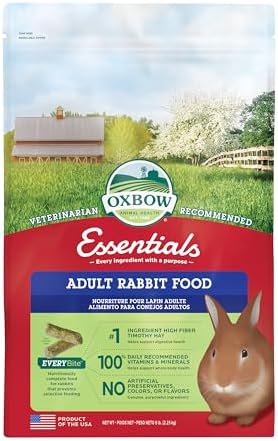
| Pellets | Small measured portion | Plain, high-fiber pellets without seeds or sugary mixes. |
| Fruit | Rare treats | Small pieces only because of sugar. See can rabbits eat grapes. |
| Water | Always available | A heavy bowl or bottle, cleaned daily. |
💡 Pro tip: Fill your rabbit’s litter box with hay. Rabbits like to eat while they go, so this builds the habit and keeps the hay fresh and plentiful.
Grooming and Hygiene
Brushing
Rabbits shed, especially seasonally. Brush gently with a soft brush. This matters because rabbits cannot vomit, so swallowed fur can cause serious digestive blockages. Long-haired breeds like Angoras may need daily brushing, while short-haired rabbits need it weekly.
Nail Trimming
Trim nails about every 4 to 6 weeks with small-pet clippers, avoiding the pink quick. If you are unsure, ask your vet or a groomer to show you.
Dental Care
Rabbit teeth never stop growing. Unlimited hay and safe chew toys wear them down. Drooling, dropping food or reduced appetite can mean dental disease and needs a vet visit.
Bathing
Rabbits should not be bathed. Water can cause stress and even injury. Spot-clean with a damp cloth and ask your vet if your rabbit is badly soiled.
Exercise and Social Time
Rabbits are active and need several hours daily outside their enclosure, with supervision. Many rabbits are happiest with a bonded companion, but introduce rabbits carefully and spay or neuter first. Talk to your rabbit, offer treats by hand and sit at floor level to build trust.

Rabbit Health and Warning Signs
- Yearly checkups with a vet who treats rabbits.
- Vaccines and parasite control: depending on your region, ask about myxomatosis and rabbit hemorrhagic disease vaccines, and check for fleas and mites.
- Spay or neuter: reduces health and behavior problems.
See a vet urgently if your rabbit stops eating or pooping for 12 hours or more, has a swollen belly, head tilt, labored breathing or seems very lethargic. Gut slowdown can become life-threatening quickly.
Challenges of Owning a Rabbit
- Chewing: bunny-proof cords, baseboards and furniture.
- Time: daily feeding, cleaning and play.
- Fragility: rabbits can injure their spines if dropped or struggling.
- Vet costs: exotic vets can cost more than regular ones.
Browse supplies in our pet shop, or compare with our easiest pets to take care of. Keeping the house tidy? See how to get pet hair out of your car.
Frequently Asked Questions
What do pet rabbits eat?
Mostly unlimited grass hay, plus leafy greens, a small portion of pellets and rare fruit treats.
How big should a rabbit cage be?
At least four times your rabbit’s stretched-out length, with daily time outside it for exercise.
Can rabbits be litter trained?
Yes. Place a hay-filled litter box in the corner they choose. Spaying or neutering makes training easier.
Do rabbits need baths?
No. They groom themselves, and bathing can cause stress or injury. Spot-clean with a damp cloth instead.
Ready to Welcome a Bunny Home? 🐰
Pick up pet-care essentials and keep learning with our most helpful guides.
Sources
- House Rabbit Society: How Long Do Rabbits Live?
- House Rabbit Society: The Importance of Hay
- Humane World: Is a Rabbit a Good Pet for You?
Last reviewed: November 2026. Always consult a rabbit-experienced veterinarian about your pet.