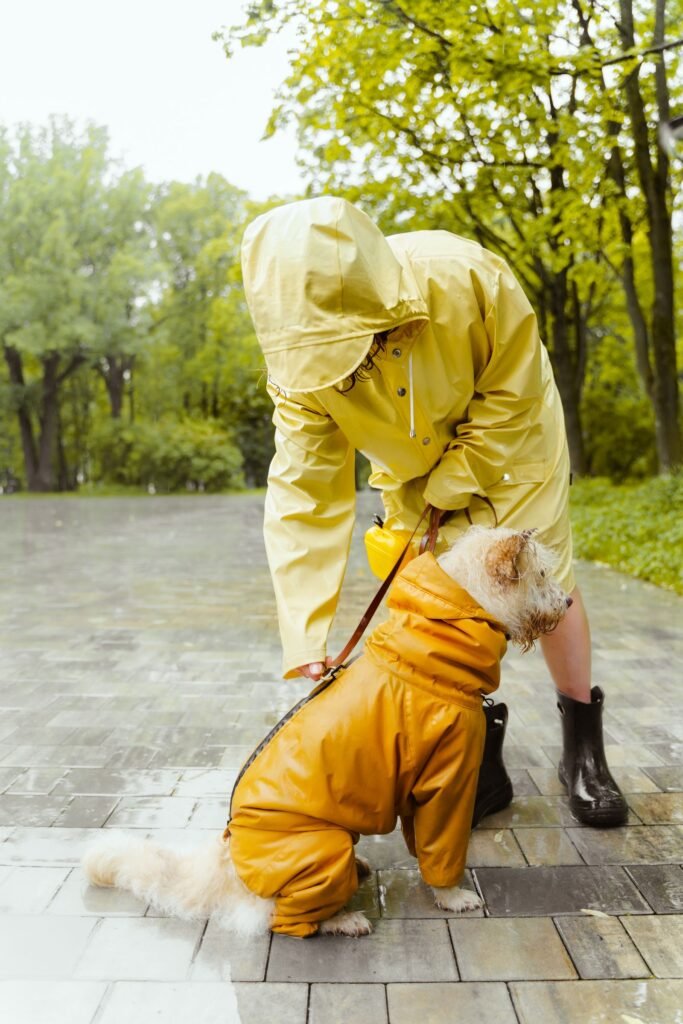
Walking a dog in the rain is safe for most healthy dogs. Rain itself won’t make your dog sick. The real risks are the things that come with it: slick ground, drivers who can’t see you, puddles that can carry bacteria, and a dog who stays damp for hours afterward.
Maybe you know the scene. It’s 7 a.m., it’s pouring, and your Lab is doing the pee dance by the door while your Chihuahua has wedged herself under the couch and refuses to come out. Same weather, two very different dogs. Do you push through, skip it, or find a middle ground?
This guide gives you a clear answer for each kind of weather, the gear worth owning, the puddle risk most owners have never heard of, a 2-minute dry-off routine, and what to do with a dog who flat-out won’t go out in the wet.
☔ Quick Answer: Should I Walk My Dog in the Rain?
- Light or steady rain: yes. Go for a normal or slightly shorter walk, with a raincoat for small, thin-coated or older dogs.
- Thunder, lightning, flooding or freezing rain: stay in. Do a quick leashed potty break when it eases.
- Skip the puddles: standing water can carry leptospirosis, a bacterial disease spread by wildlife urine. Bring your own water.
- Be seen: reflective leash or vest plus a light.
- Dry off every time: paws, belly, armpits and ears, then take wet gear off.
This article contains affiliate links. We may earn a small commission at no extra cost to you. See our Disclosure.
In this guide
- Is it safe to walk a dog in the rain?
- Weather guide: when to go and when to stay in
- Rainy-day dangers and how to avoid them
- Puddles and leptospirosis
- 12 tips for walking your dog in the rain
- Rain gear: what’s worth it
- The 2-minute dry-off routine
- My dog won’t go out in the rain
- Indoor exercise for stormy days
- When to call the vet
- FAQ
Is It Safe to Walk a Dog in the Rain?
Yes, in most weather. Dogs still need their exercise and potty breaks when it’s wet, and a light or moderate rain is no problem for a healthy adult dog. Getting wet doesn’t give dogs a cold. What wears them down is being cold and wet for a long time, or walking into one of the hazards rain brings with it.
So the real question isn’t “rain or no rain.” It’s “which dog, and what kind of rain?” A 70-pound Golden Retriever with a thick double coat can splash happily through a 30-minute drizzle. A 6-pound Italian Greyhound with almost no undercoat may be shivering in five. Puppies, seniors, dogs with arthritis and dogs recovering from illness all lose heat faster, so they need shorter outings and better gear.
Once you know your dog, the weather itself tells you the rest.
Weather Guide: When to Go and When to Stay In
| Weather | Walk? | How long | What to do |
|---|---|---|---|
| 🌦️ Drizzle or light rain | ✅ Yes | Normal walk | Raincoat for small or thin-coated dogs; towel at the door |
| 🌧️ Steady rain | ✅ Yes, shorter | 10 to 20 min, or two short trips | Paved route, reflective gear, skip parks and fields |
| 🥶 Cold rain or sleet | ⚠️ Depends on the dog | Potty break for small, short-haired, old dogs | Coat that covers the belly; dry fully afterward |
| ⛈️ Thunder or lightning | ❌ Stay in | Leashed potty break once it passes | Lightning is a real risk; scared dogs can bolt |
| 🌊 Flooding or very heavy rain | ❌ Stay in | Quick potty break only | Floodwater can carry bacteria and hide hazards |
| 🧊 Freezing rain or ice | ❌ Stay in | Quick potty break only | Ice and de-icers hurt paws; falls are likely |
For healthy adult dogs. Puppies, seniors and sick dogs need shorter outings in any wet weather.
Rain often comes in waves, so check the hourly forecast or the radar on your phone. Waiting 20 minutes for a break between showers can turn a miserable walk into a pleasant one.
Rainy-Day Dangers and How to Avoid Them
Here’s the catch with rain: most of the danger is on the ground, not in the sky. These are the hazards worth planning around.
| Risk | Why it matters | What to do |
|---|---|---|
| 💧 Puddles and standing water | Can hold leptospirosis bacteria, chemicals and broken glass | Walk around them; carry fresh water; ask your vet about the lepto vaccine |
| 🛢️ Road and lawn runoff | Rain washes oil, fertilizer, pesticides and antifreeze into gutters | Avoid gutters; wipe paws and belly after the walk |
| 🍂 Slippery ground | Wet leaves, metal grates and painted lines cause falls and joint strain | Flat, paved routes; grippy boots for seniors |
| 🚗 Low visibility | Drivers see you later and stop slower on wet roads | Reflective leash, collar or vest, plus a clip-on light |
| 🍄 Mushrooms and toads | Some wild mushrooms pop up after rain, and some toads are toxic | Keep your dog from sniffing and eating things on the ground |
| 🌡️ Staying wet and cold | Chills, irritated skin and ear problems | Dry fully and give your dog a warm place to rest |
Antifreeze deserves its own warning. It tastes sweet to dogs, and rain can wash a driveway leak right into your path. The ASPCA’s cold weather safety tips advise cleaning up spills and wiping your dog’s feet and belly after walks to remove chemicals. If you think your dog licked antifreeze, treat it as an emergency and call your vet or the ASPCA Animal Poison Control Center at (888) 426-4435 right away (a fee may apply).
Puddles and Leptospirosis: The Risk Most Owners Miss
Most dogs love a good puddle. Some will drink from every one they pass. That’s the habit worth breaking, and leptospirosis is why.
Leptospirosis is a bacterial disease spread through the urine of rats, raccoons, skunks, opossums and other wildlife. According to the American Kennel Club, the bacteria can survive in water, mud and soil for long periods, and dogs pick it up by drinking contaminated water or through broken skin. Cornell University’s College of Veterinary Medicine notes that heavy rainfall can make it easier to spread, especially in late summer and fall, and that stagnant puddles are one of the most common sources. It isn’t just a country problem, either. City dogs get it too, because city rats carry it.

Signs usually start about a week after exposure and can include fever, vomiting, diarrhea, low energy, sore muscles, drinking and peeing more, and yellow gums or eyes. Lepto can damage the kidneys and liver. Caught early, it’s treatable with antibiotics. People can catch it too, so wear gloves if you’re cleaning up after a sick dog.
The good news? There’s a vaccine. Cornell explains that it starts with two doses given 3 to 4 weeks apart, followed by a booster every year. VCA Animal Hospitals also recommends avoiding floodwater and stagnant water and changing outdoor water like bird baths and kiddie pools often. If your dog walks in wet areas, swims or lives where rats are common, ask your vet whether the lepto shot makes sense.
12 Tips for Walking Your Dog in the Rain
Now that you know what to watch for, here’s how to make the walk itself go smoothly.
1. Check the forecast and time your walk
Look at the hourly forecast before you leash up. A gap between showers is the best window, and if a storm is rolling in, go early and keep it short.
2. Put on a well-fitting raincoat
A coat that covers the neck, back and sides keeps your dog drier and cuts drying time in half. Measure from the base of the neck to the base of the tail, plus the widest part of the chest. Take it off as soon as you get home so your dog doesn’t overheat or stay damp underneath.
3. Protect the paws
If your dog tolerates boots, choose a snug fit and a rubber, non-slip sole. If not, wash and dry the paws as soon as you’re back. Practice boots indoors first with treats, a few minutes at a time.
4. Keep your dog away from puddles
Walk around them and don’t let your dog drink from them. Deep puddles can also hide glass and sharp metal.
5. Pick a safe route
Choose well-lit, paved, flat paths. Skip muddy parks, steep hills, flooded spots, fast-running gutters and busy roads where drivers are dealing with spray and glare.
6. Be visible
Rain and gray skies make you both harder to see. Use a reflective leash, collar or vest and a clip-on LED light, and wear something bright yourself.
7. Shorten the walk when needed
Two 10-minute trips beat one soggy 40-minute slog. A short walk plus some indoor brain games will tire most dogs out just as well.
8. Set up a dry-off station
Keep towels, unscented pet wipes and an absorbent mat by the door, so you’re not chasing a wet dog across the living room rug.
9. Clean the paws and check for cuts
Wipe off mud and road residue, and check between the toes for cuts, stones or redness. Pads that stay wet a lot can crack, and a paw balm can help.
10. Bathe only when needed
A muddy coat or a strong “wet dog” smell may call for a gentle dog shampoo, but frequent baths dry out the skin. A good towel-off usually does the job.
11. Watch for signs of a chill
Shivering, a hunched back, tucked tail, slowing down or trying to turn for home all mean it’s time to head in, dry off and warm up. Older dogs and dogs with arthritis may be stiffer after a cold, wet walk.
12. Have a rainy-day indoor plan
When the weather is too nasty, trade the walk for scent games, puzzle feeders and short training sessions. More on that below.
Rain Gear for Dogs: What’s Worth It
Do dogs need raincoats? Not all of them. Labs, Goldens, Newfies and other water-loving breeds with oily double coats handle rain well. Small dogs, short-haired breeds like Greyhounds, Whippets and Boxers, puppies and seniors get cold faster and really benefit from a coat. The ASPCA suggests a coat or sweater for short-haired dogs that reaches from the base of the tail to the belly.
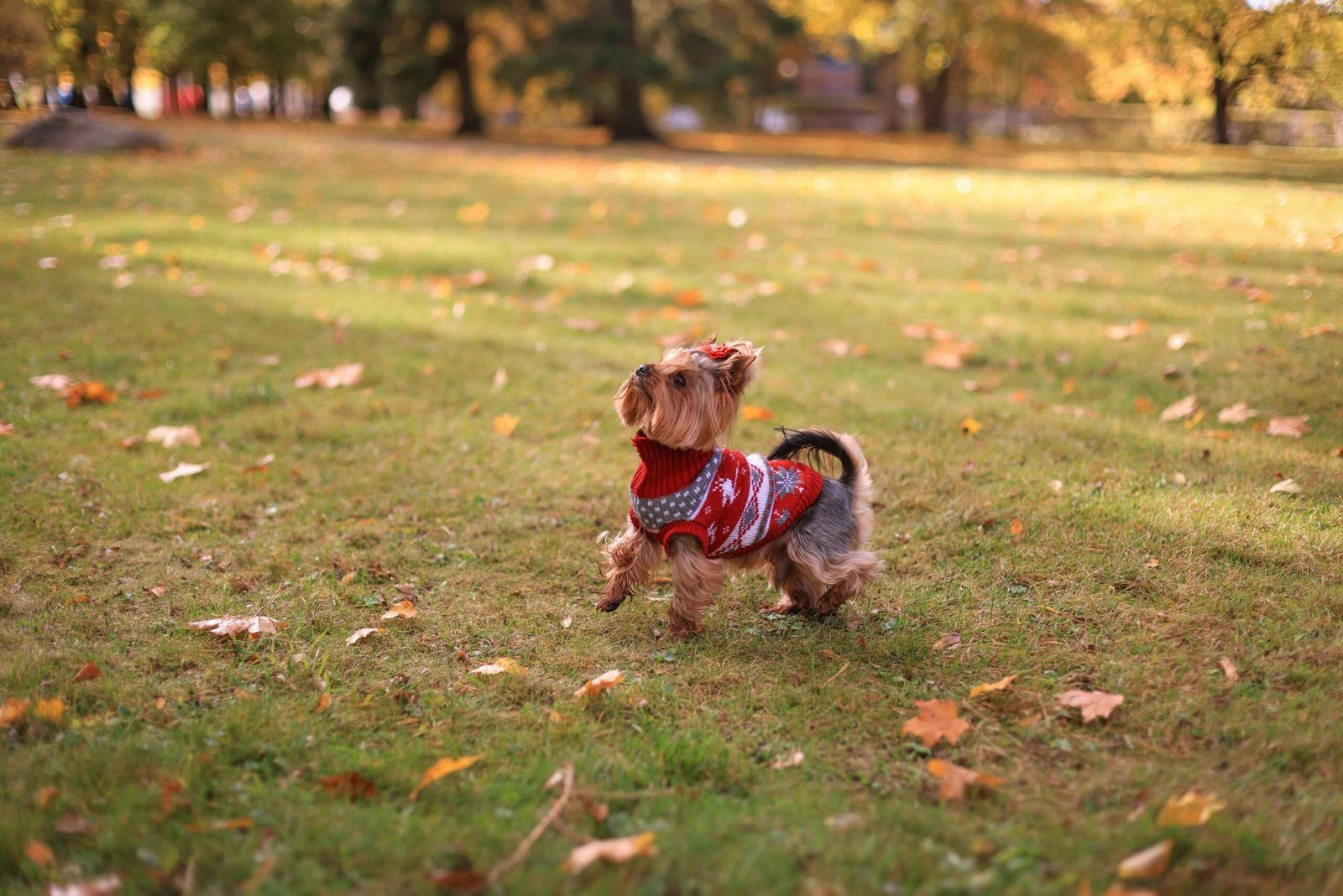
Here’s the gear that earns its spot by the door. For cold, wet months, our guide on how to choose a dog winter coat covers sizing and materials in more detail.
- Raincoat: waterproof shell, chest coverage, a hole for the leash and reflective trim.
- Boots: rubber soles and a secure strap. Great for seniors on slick floors and sidewalks.
- Reflective leash or vest plus a light: the cheapest safety upgrade you can buy.
- Microfiber towel or drying coat: absorbs far more than a bath towel.
- Paw balm: protects pads that stay wet a lot.


- TRAIL-TESTED GRIP FOR EVERY TERRAIN. Built with rugged Vibram Outsoles for non-slip traction. Whether you're crossing ho…
- SOLD IN PAIRS – NOT A SET OF 4. Dogs often have wider front paws than rear paws. That’s why we sell our dog boots in pai…
- STAY-ON FIT, EVEN DURING ZOOMIES. Adjustable hook-and-loop ankle straps and ergonomic shape help the shoes for dogs stay…

- MULTIPLE SIZES TO CHOOSE FROM: Size 7:Paw width 2.8 in. Measure your dog's paw width precisely and choose the appropriat…
- WATERPROOF AND NON-SLIP: Our shoe soles are made of durable rubber material, which has waterproof and anti slip function…
- EASY ON/OFF WITH ADJUSTABLE STRAPS: Easy to put on and take off as the shoe expands to put on and the two fastener strap…
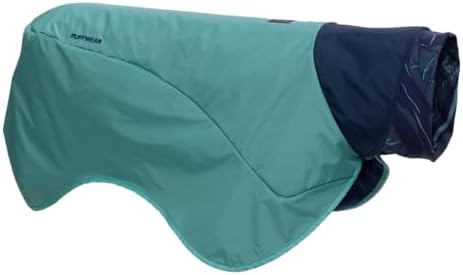
- BUILT FOR MESSY MOMENTS. Quick-dry microfiber lining absorbs water, mud, and grit after swims, snow days, or rainy trail…
- WATERPROOF SHELL. Outer shell fabric has a 4,000 mm waterproof rating to trap moisture and debris inside. So your pup’s …
- WRAPS LIKE A COAT, WORKS LIKE A TOWEL. Side-release buckles secure the fit. Stretch neck gaiter adds coverage. Easy to p…

- SAFE AND ALL-NATURAL – Our dog paw moisturizer is made from food-safe oils and waxes, so it’s A-OK even if they lick the…
- ALL SEASON PROTECTION – Musher's Secret creates an invisible barrier so your furry friend's paws have protection against…
- SAFE FOR OTHER ANIMALS – Musher's Secret is a paw balm dogs love. Originally formulated for sled dogs, it also works as …
The 2-Minute Dry-Off Routine
This is the step people skip, and it’s the one that prevents most rainy-day problems. Damp paws and ears are a perfect home for yeast and bacteria, and floppy-eared dogs like Cocker Spaniels and Basset Hounds are especially prone to ear infections when moisture lingers.
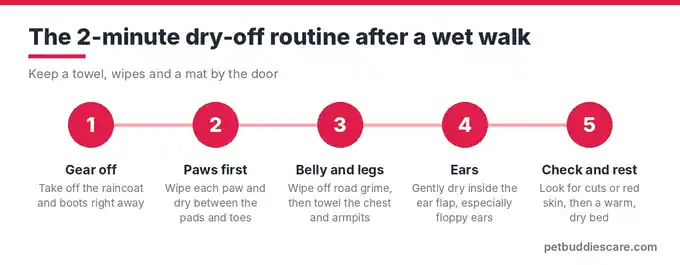
- Gear off. Remove the raincoat and boots right away.
- Paws first. Wipe each paw and dry between the pads and toes.
- Belly, chest and armpits. Wipe off road grime with a damp cloth or pet wipe, then towel dry.
- Ears. Gently dry the inside of the ear flap with a soft cloth. Never push anything into the ear canal.
- Coat and a quick check. Rub the coat down, use a hair dryer on the cool or low setting from a safe distance if your dog likes it, and look for cuts, red skin or limping. Then a warm, dry bed.

All that shaking and toweling sends hair everywhere. If your entryway looks like a fur storm after rainy walks, our room-by-room guide to removing pet hair will help.
My Dog Won’t Go Out in the Rain. Now What?
Plenty of dogs hate rain. The sound, the drops on their face, the cold on their belly: it’s a lot, especially for small and thin-coated dogs. Picture your Shih Tzu planting all four feet at the door and looking at you like you’ve lost your mind. Forcing her out usually makes the next rainy day worse. Here’s what works better:
- Make it smaller. Go to the closest spot that’s sheltered: under an overhang, a covered porch or a patio umbrella.
- Go with them. Stand out there under your umbrella, leash on, calm and boring.
- Use the cue word. Say the same potty phrase you use on dry days.
- Pay big. The moment they go, give a high-value treat and praise, then head straight inside to a warm towel.
- Practice in drizzle. Build up on light-rain days before you need it in a downpour. A raincoat helps a lot of rain-haters.
If thunder is the real issue, that’s noise fear, not rain fear. Stay inside during storms, give your dog a quiet, cozy spot and never punish fear. Our guide on how to reduce anxiety in dogs has more ideas, and your vet can help if storms cause panic.
Indoor Exercise for Stormy Days
Skipping the long walk doesn’t mean a bored, bouncing dog. Ten to fifteen minutes of brain work can tire most dogs as much as a walk:
- Find it: hide treats around a room and let your dog sniff them out. Our smell training guide shows how to level this up.
- Puzzle feeder: serve breakfast in a puzzle toy, or a muffin tin with tennis balls on top.
- Hide and seek: ask for a sit-stay, hide, then call your dog to find you.
- Short training sessions: three 5-minute sessions on a new trick or loose-leash walking down the hallway.
- Tug with rules: tug, then “drop it,” then tug again.
- Snuffle mat: scatter kibble in a snuffle mat or a rolled-up towel.
Rain season often runs into winter, too. For cold-weather care beyond walks, see our tips on keeping pets warm in winter.
Mistakes to Avoid
- Letting your dog drink from puddles. It’s the easiest way to pick up leptospirosis or chemicals.
- Leaving a wet coat on indoors. It traps moisture against the skin. Off it comes at the door.
- Only drying the back. Paws, belly, armpits and ears are where problems start.
- Walking in thunderstorms. Lightning is dangerous, and a panicked dog can bolt into traffic.
- Forcing a scared dog out. It builds a bigger fear. Go small, go slow, reward.
- Dark clothes at dusk. If drivers can’t see you, nothing else matters.
When to Call the Vet
- Your dog drank puddle or floodwater and then has vomiting, diarrhea, fever, low energy, sore muscles, or is drinking and peeing more than usual
- You think your dog licked antifreeze or another chemical (emergency)
- Limping, a cut pad or a swollen paw
- Coughing, heavy breathing or shivering that doesn’t stop once your dog is dry and warm
- Red, smelly or itchy ears, or a moist, red patch of skin after getting wet
Keeping a basic kit at home makes small paw cuts much easier to handle. Our guide to pet first aid lists what to include.
Frequently Asked Questions
Can dogs get sick from walking in the rain?
Rain alone won’t make a healthy dog sick. The risks come from staying cold and wet for a long time and from contaminated puddles, which can carry leptospirosis. Dry your dog well and keep them away from standing water.
Do dogs need raincoats?
Not all of them. Thick, double-coated breeds usually do fine. Small, short-haired, young and senior dogs benefit from a coat that covers the back and belly, and a coat also makes drying faster.
How long can I walk my dog in the rain?
For most healthy adult dogs, 10 to 20 minutes in steady rain is plenty, or two short trips. Light drizzle is fine for a normal walk. Head home sooner if your dog shivers or seems miserable.
Should I walk my dog during a thunderstorm?
No. Lightning is a real risk, and thunder can scare dogs into bolting. Wait for the storm to pass and do a quick leashed potty break, using a secure harness.
What do I do if my dog won’t go out in the rain?
Don’t force it. Take your dog to the closest sheltered spot, stand with them under an umbrella, use your usual potty cue and reward right away with a treat and a warm towel. Practice on drizzly days.
How do I dry my dog after a rainy walk?
Take off wet gear, dry each paw and between the pads, wipe the belly and armpits, gently dry the ear flaps, then rub down the coat with a microfiber towel. Check for cuts or red skin before your dog settles in.
The Bottom Line
Walking a dog in the rain is usually fine and often fun. Go out in light and steady rain, keep it shorter when it pours, and stay in for thunder, flooding and ice. Gear up small and thin-coated dogs, be visible, steer clear of puddles, and never skip the two-minute dry-off at the door.
Your next steps: set up a towel station by the door today, and ask your vet at the next visit whether your dog should get the leptospirosis vaccine. If your dog has any health condition, check with your vet about how much wet-weather exercise is right for them.
Keep learning: more guides from Pet Buddies Care
- How to choose a dog winter coat
- How to keep your pets warm during winter
- Mosquito bites on dogs: signs, treatment and prevention
Sources: American Kennel Club (leptospirosis); Cornell University College of Veterinary Medicine; VCA Animal Hospitals; ASPCA cold weather safety tips and ASPCA Animal Poison Control Center; San Francisco SPCA. Updated November 2026. This guide is general information, not veterinary advice. Check with your vet about your own dog.
Is your dog a puddle-splasher or a rain-hater? Tell us in the comments.