
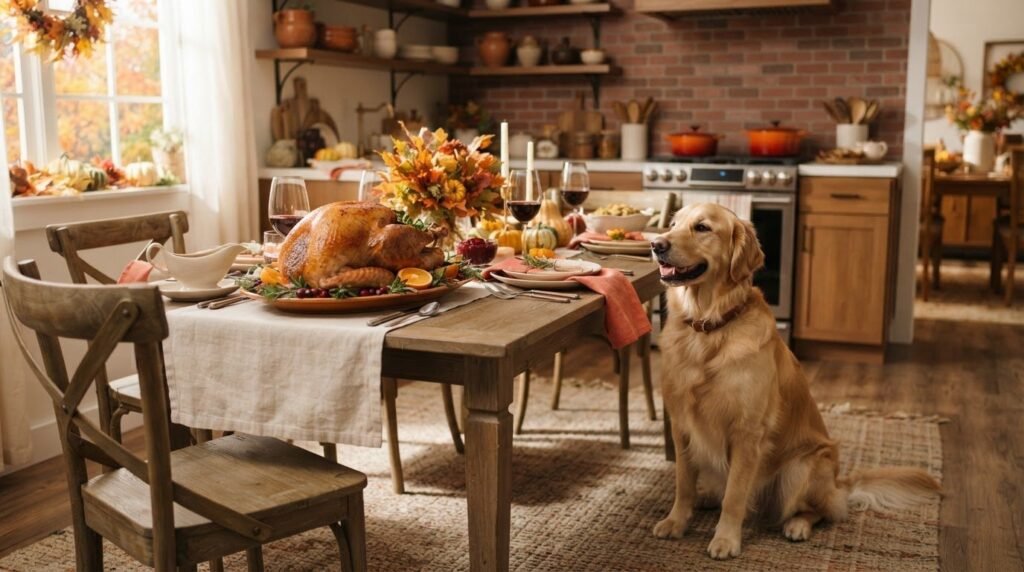
Can dogs eat Thanksgiving turkey? Yes, as long as it’s the plain meat. A few bites of cooked, skinless, boneless turkey with no seasoning are fine for most healthy dogs.
The trouble is that holiday turkey is almost never plain. Picture it: the bird comes out of the oven shiny with herb butter, the gravy is bubbling away with onions, and your dog is parked by the counter giving you that look. Most of what makes the meal taste amazing to you is exactly what makes it risky for them.
So let’s sort it out. Below you’ll find which parts are safe, how much to give for your dog’s size, which side dishes are fine, and what to do if your dog steals a bone while nobody’s looking.
🦃 Quick Answer: Can Dogs Eat Thanksgiving Turkey?
- Safe: plain, fully cooked, skinless, boneless meat in small pieces. White breast meat is best.
- Not safe: cooked bones, skin, fat drippings, gravy, stuffing, and anything with onion, garlic or a seasoning rub.
- How much: keep all treats under 10% of daily calories. That works out to about 2 oz of plain breast for a 30 lb dog.
- Ate a bone or skin? Don’t make your dog vomit. Call your vet and watch for vomiting, straining or belly pain.
In this guide
- Can dogs eat Thanksgiving turkey?
- Which parts of turkey are safe for dogs?
- How much turkey can a dog eat?
- How to prepare turkey for your dog
- Why turkey bones are dangerous
- Turkey skin, fat and pancreatitis
- Dark meat, ground, deli and leftover turkey
- Thanksgiving foods dogs can and can’t eat
- Mistakes to avoid
- What to do if your dog ate turkey bones or skin
- FAQ
Can Dogs Eat Thanksgiving Turkey?
Plain turkey is good food for dogs. It’s lean, it’s full of protein, and it’s the main ingredient in plenty of commercial dog foods. The American Kennel Club’s turkey guide says plain, unseasoned turkey is fine in moderation. The skin, the bones and the seasoning are where things go wrong.
Here’s the catch. Your Thanksgiving bird probably spent the night in a salty brine. Then someone rubbed butter, garlic and herbs under the skin and roasted it on a bed of onions. Those flavors don’t stay on the surface. They soak into the outer meat.
So when your uncle slips the dog “just a little piece” off the carving board, that isn’t the plain turkey vets are talking about.
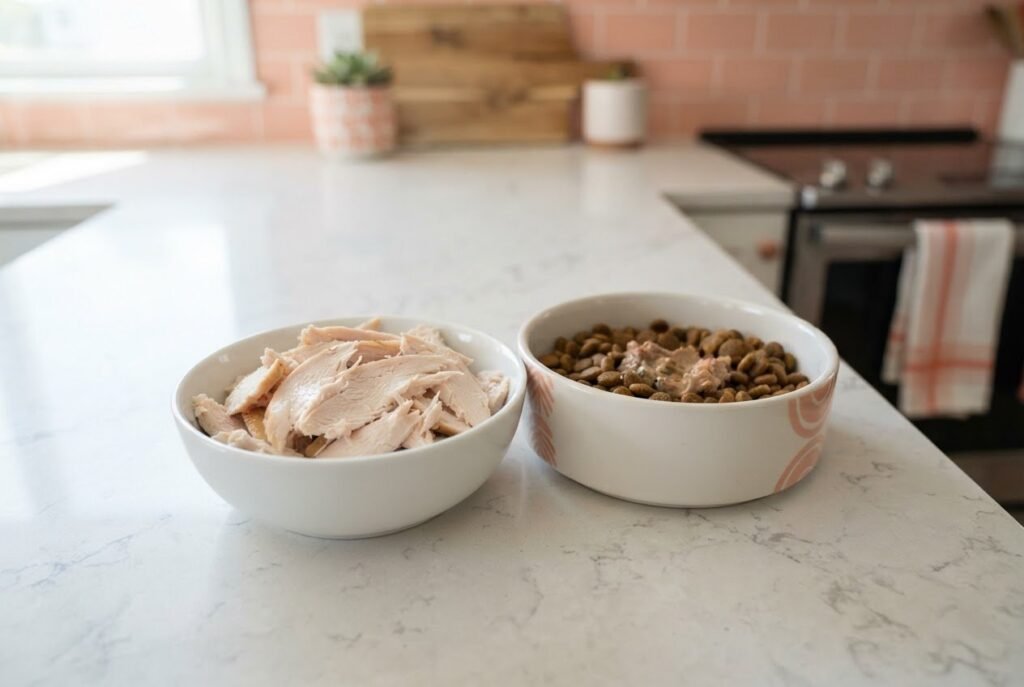
The fix takes about two minutes. Before you season the bird, cut off a small piece of breast and cook it on its own, or bake a plain turkey tenderloin on the side. Your dog gets the protein without the fat, salt and onion-family ingredients.
Once you have plain turkey ready, the next question is which parts your dog can actually have.
Which Parts of Turkey Are Safe for Dogs?
It helps to think of the bird in three zones: green for go, yellow for “ask your vet first,” and red for never. Only the plain meat lands in the green zone.
| Part of the turkey | Safe for dogs? | Why |
|---|---|---|
| 🟢 White breast meat, plain | Yes, small amounts | Lean protein, lowest in fat |
| 🟢 Dark meat (thigh, leg), plain | Yes, smaller amounts | More fat than breast; trim any visible fat |
| 🟡 Plain cooked giblets (heart, gizzard) | A tiny piece only; ask your vet | Rich; liver is very high in vitamin A |
| 🔴 Skin | No | Very fatty and usually seasoned |
| 🔴 Cooked bones, neck, wings, wishbone | No | Can splinter, block or tear the gut |
| 🔴 Gravy and pan drippings | No | High fat and salt, often onion or garlic |
| 🔴 Stuffing | No | Usually has onion, garlic, raisins or herbs |
| 🔴 Raw or undercooked turkey | No | Risk of Salmonella for dogs and people |
Plain = cooked with no butter, oil, salt, herbs, onion or garlic.
You might have a friend who feeds raw and swears by turkey necks. Before you try it on Thanksgiving, know the trade-off. Raw poultry can carry Salmonella, and any bone can still cause choking or a blockage. The AKC says raw meaty bones should only be fed with your vet’s guidance. A holiday with a house full of guests is not the day to experiment.
How Much Turkey Can a Dog Eat?
This is where kind people go wrong. They hand over a piece sized for a person, not for a 12-pound dog.
A good rule is to keep all treats, turkey included, under 10% of your dog’s daily calories. Veterinary nutrition groups such as the World Small Animal Veterinary Association (WSAVA) use this same rule. The other 90% should still be your dog’s regular, balanced food.
Skinless roasted turkey breast has roughly 40 calories per ounce, based on USDA nutrition data for breast meat only. We used the standard vet energy formula for a typical neutered adult dog to build this chart, then rounded down to stay on the safe side.
| Dog weight | Approx. daily calories | 10% treat budget | Max plain turkey breast |
|---|---|---|---|
| 🐕 10 lb (toy) | ~350 | ~35 calories | about ¾ oz |
| 🐕 30 lb (small-medium) | ~790 | ~80 calories | about 2 oz |
| 🐕 50 lb (medium) | ~1,160 | ~115 calories | about 2¾ oz |
| 🐕 70 lb (large) | ~1,500 | ~150 calories | about 3½ oz |
| 🐕 90 lb (giant) | ~1,800 | ~180 calories | about 4¼ oz |
Estimates for healthy, neutered adult dogs at a normal weight. Puppies, seniors and dogs with health conditions differ; ask your vet.
Let’s make that real. Say you have a 30-pound beagle mix. Her turkey allowance for the whole day is about 2 ounces of plain breast. If she already had a dental chew and a handful of training treats this morning, cut that down to a few bites.
For scale, 3 ounces of cooked meat is about the size of a deck of cards, so her full allowance is smaller than that deck. Dark meat has more fat, so give a little less of it. And if your dog has never had turkey before, start with half the amount and keep an eye on their poop for the next day.
Dogs who should skip turkey
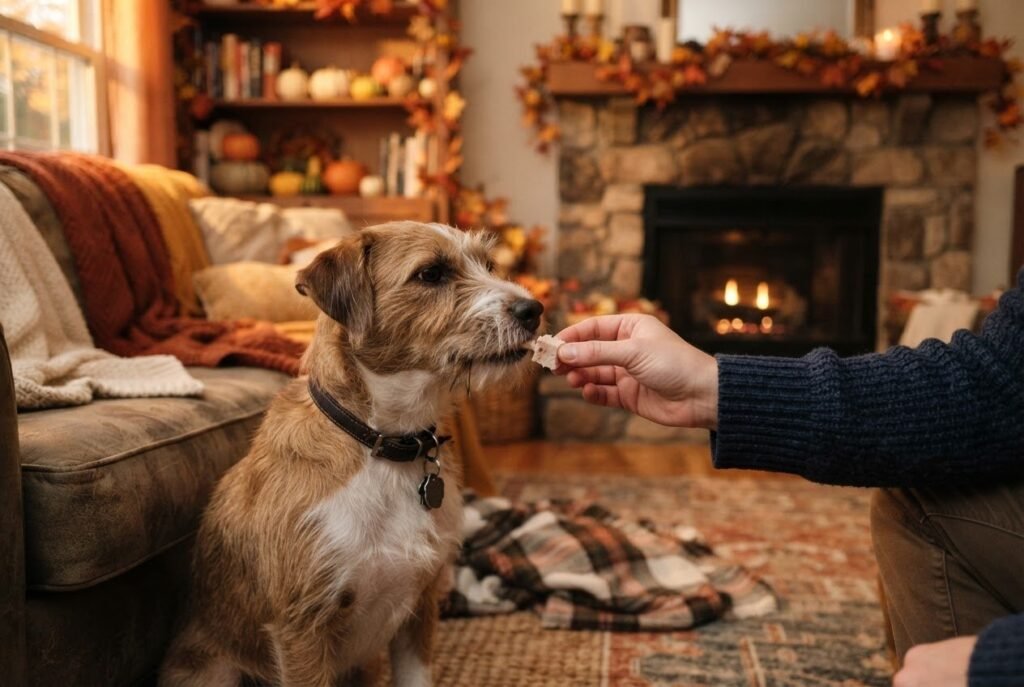
Some dogs are better off with none at all. Check with your vet first if your dog has any of these:
- A history of pancreatitis. Even lean meat can be a risk without vet approval.
- A prescription or elimination diet for allergies, kidney or liver disease.
- Diabetes, where meals need to stay consistent.
- A weight-loss plan. Stick to their usual low-calorie treats.
- A known poultry allergy.
Skipping turkey doesn’t mean missing the fun. A scoop of their regular food in a puzzle toy keeps them busy while everyone else eats.
How to Prepare Turkey for Your Dog (Step by Step)
Thanksgiving morning gets hectic, so do this before the first guest rings the bell.
- Cut early. Slice a few pieces of breast before the bird is brined, buttered or seasoned, or cook a small plain piece separately.
- Cook it fully. Bake or boil it plain until it reaches 165°F inside, the USDA safe temperature for poultry.
- Remove skin, fat and bones. Run your fingers over every piece to feel for small bone fragments.
- Cool and chop. Cut it into bite-size pieces that suit your dog, so they can’t gulp one big chunk.
- Measure the portion. Use the chart above and count any other treats from that day.
- Store the rest. Keep plain turkey in the fridge and use it within 3 to 4 days.
If you enjoy cooking for your dog, our easy homemade dog treat recipes use the same idea: a few simple, dog-safe ingredients and nothing else.
Plain meat is the easy part. The real danger on Thanksgiving is what’s left after the carving.
Why Turkey Bones Are Dangerous for Dogs
Say your Lab grabs a drumstick off the counter while everyone’s watching football. By the time someone notices, it’s gone. Is that an emergency?
It can be. Can dogs eat turkey bones? No. Cooking makes poultry bones dry and brittle, so they break into sharp splinters instead of being chewed down. The U.S. Food and Drug Administration advises against giving dogs bones of any kind, and its consumer update on bones and bone treats lists what can happen:
- Broken teeth and cuts in the mouth or tongue
- A bone stuck around the lower jaw, in the throat or in the windpipe
- A bone stuck in the stomach or intestines, which may need surgery
- Constipation and rectal bleeding from sharp fragments
- Peritonitis, a serious belly infection if a fragment pokes a hole in the gut
In that same update, the FDA said it had reports of illness in about 90 dogs linked to store-bought bone treats, including 15 dogs that died. Turkey necks, wings and drumstick bones all fall under the same warning. Thin wing bones and wishbones are especially easy to swallow whole.
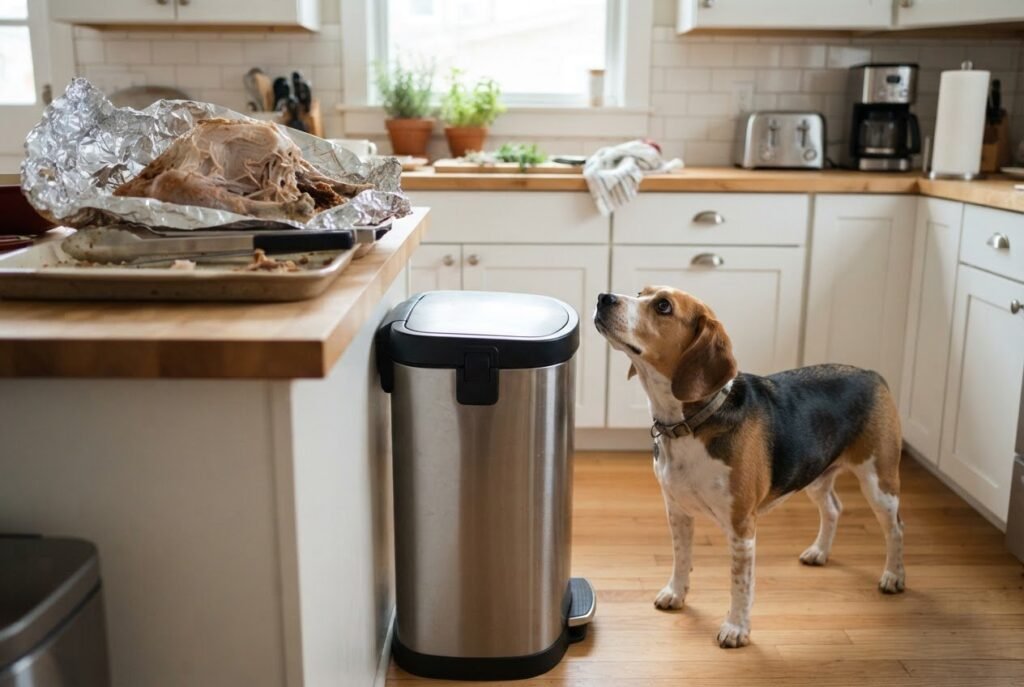
Here’s something that surprises a lot of owners: most dogs don’t get bones because someone fed them one. They find them. The carcass sits on the counter while you load the dishwasher, or the trash bag slumps open by the back door. The ASPCA’s Thanksgiving safety tips warn that poultry bones are a choking hazard and that trash needs to stay out of reach.
✅ After-Dinner Safety Checklist
- ☐ Carcass and bones go straight into a lidded trash can, or outside
- ☐ String, foil, skewers, pop-up timers and the oven bag go in the trash too
- ☐ Plates are cleared before people leave the table
- ☐ Guests know not to feed the dog from their plate
- ☐ Your dog has a quiet room and a safe chew toy during the meal
Bones get the headlines, but the skin and drippings cause their own kind of trouble, and it often shows up a day later.
Turkey Skin, Fat and Pancreatitis
Picture a 15-pound terrier mix who spends the afternoon working the room. A bit of crispy skin from Grandma, a gravy-soaked roll from a cousin, a dropped piece of dark meat under the kids’ table. She seems fine that night. The next morning she won’t eat breakfast and she’s throwing up.
That’s the pattern vets worry about. Can dogs eat turkey skin? No. Skin and pan drippings are very fatty, and a big fatty meal is one of the classic triggers for pancreatitis, a painful swelling of the pancreas that can be mild or life-threatening. According to VCA Animal Hospitals’ pancreatitis guide, common signs include:
- Vomiting, often more than once
- Belly pain, a hunched back or the “prayer” position (front legs down, rear end up)
- Diarrhea and not wanting to eat
- Tiredness, weakness or fever
Signs often show up within a day or two of the meal. Small dogs, overweight dogs and dogs who’ve had pancreatitis before are at higher risk. Even when it isn’t pancreatitis, a plate of skin and gravy usually means an upset stomach and a long night for both of you.
Dark Meat, Ground, Deli and Leftover Turkey
Thanksgiving doesn’t end on Thursday. There’s the leftover sandwich on Friday, the deli turkey in the fridge, maybe a pack of ground turkey for tacos. Here’s how each one stacks up.
| Type | OK for dogs? | What to watch |
|---|---|---|
| Plain roasted breast | ✅ Best choice | Remove skin and bones; no seasoning |
| Plain dark meat | ✅ Yes, less of it | Higher in fat; trim visible fat |
| Plain cooked ground turkey | ✅ Yes | Choose lean (93% or higher) and drain the fat |
| Deli or lunch-meat turkey | ⚠️ Rarely, tiny bites | Often high in salt; some contain garlic or onion powder |
| Smoked or deep-fried turkey | ❌ No | Brines, rubs and frying oil add salt and fat |
| Turkey bacon or sausage | ❌ No | High in salt, fat and spices |
| Leftovers from the table | ⚠️ Only plain meat | Pick out skin, bones and anything touched by gravy |
| Raw turkey | ❌ No | Salmonella risk; cook to 165°F |
Thanksgiving Foods Dogs Can and Can’t Eat
Turkey isn’t the only thing your dog can smell from across the room. Before the side dishes hit the table, it’s worth knowing which ones are fine to share. Most of the items on the “no” list below come straight from the ASPCA’s list of people foods to avoid feeding pets.
| Food | Can dogs eat it? | Why |
|---|---|---|
| 🟢 Plain green beans | Yes | Low-calorie; serve plain and chopped |
| 🟢 Plain sweet potato | Yes, a bite or two | Cooked, no butter, sugar or marshmallows |
| 🟢 Plain pumpkin purée | Yes, a spoonful | 100% pumpkin only, not pie filling |
| 🟢 Plain carrots | Yes | Cooked or raw, cut small |
| 🟢 Plain cooked potato | Small amount | Fully cooked, no butter, milk or garlic |
| 🟡 Plain cranberries | A few | Fresh or plain; very tart |
| 🔴 Mashed potatoes | No | Butter, cream, salt and often garlic |
| 🔴 Green bean casserole | No | Fried onions and creamy, salty soup |
| 🔴 Stuffing or dressing | No | Onion, garlic, herbs, butter; sometimes raisins |
| 🔴 Gravy | No | Fat, salt, onion and garlic |
| 🔴 Cranberry sauce | No | Lots of sugar; some recipes add grapes or alcohol |
| 🔴 Grapes, raisins, currants | No | Can cause kidney failure in dogs |
| 🔴 Raw bread or roll dough | No | Expands in the stomach and makes alcohol |
| 🔴 Pies and desserts | No | Sugar, fat, spices like nutmeg; chocolate; some sugar-free recipes use xylitol |
| 🔴 Corn on the cob | No cob | The cob can block the intestines |
| 🔴 Nuts, especially macadamias | No | Macadamias are toxic; other nuts are fatty |
| 🔴 Alcohol (wine, beer, eggnog) | No | Even small amounts can poison a dog |
Plain = cooked with no butter, oil, salt, sugar, onion or garlic. Even safe foods count toward the 10% treat budget.
Notice a pattern? The vegetable itself is usually fine. It’s the butter, sugar, onions and toppings we add that move a dish into the red zone. Green beans are a great snack. Green bean casserole is not.
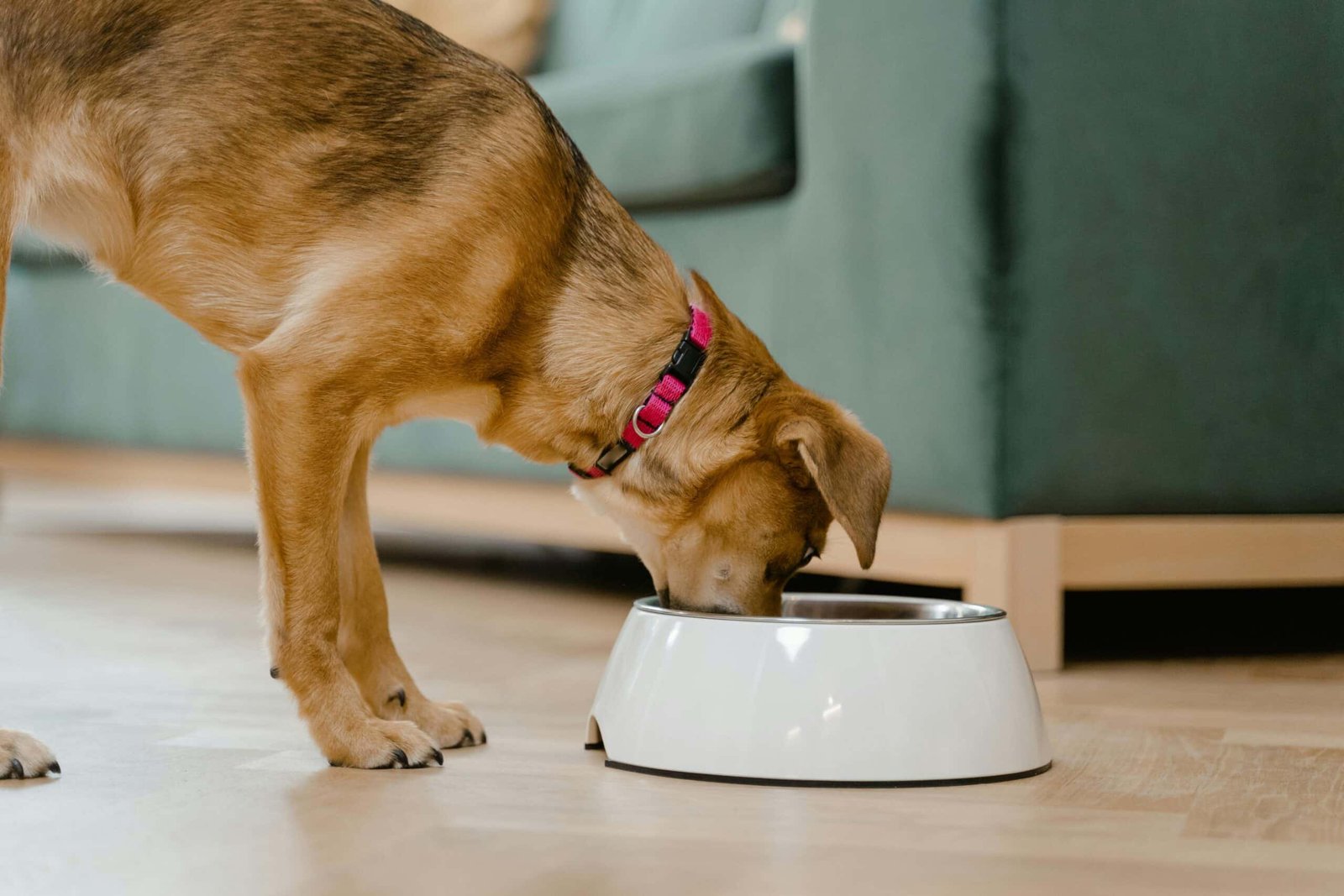
A dog-safe Thanksgiving plate (what we’d serve)
If you want your dog to feel part of the feast, here’s a plate that’s safe for most healthy dogs in small amounts:
- A few pieces of plain, skinless turkey breast
- Plain cooked green beans (no butter, no casserole)
- A spoonful of plain pumpkin purée
- A few plain cooked carrot slices
- A bite of plain cooked sweet potato
Keep the whole plate inside the 10% treat budget from the chart above. And if your dog gets into xylitol, grapes, raisins, chocolate, onion, garlic or alcohol, call your vet or the ASPCA Animal Poison Control Center at (888) 426-4435 right away. A consultation fee may apply.
Mistakes to Avoid on Thanksgiving
Most turkey trouble doesn’t come from careless owners. It comes from a busy day with lots of people who love your dog a little too much. Watch for these:
- Feeding from the carved bird. The outer meat soaks up butter, salt and seasoning. Use the plain portion you set aside.
- “Just a little” skin or gravy. A little adds up fast for a small dog, and fat is a pancreatitis trigger.
- Giving a bone “to chew on.” Cooked bones splinter. Hand over a safe chew toy instead.
- Letting guests feed the dog. Ten guests each sneaking one bite is a full meal. A friendly “please don’t feed the dog” at the door saves a lot of grief.
- Leaving the carcass on the counter or in an open trash bag. This is how most bone emergencies happen.
- Forgetting the stress. Doorbells, noise and strangers can wear some dogs out. Our guide on how to reduce anxiety in dogs has ideas for a calmer day.
Even with every precaution, things happen. Here’s what to do if they do.
What to Do If Your Dog Ate Turkey Bones or Skin
It’s 9 p.m. The dishes are done, and you walk into the kitchen to find the trash can on its side and the carcass gone. Your heart drops. What now?
First, take a breath, and don’t try to make your dog vomit at home. A sharp bone can do more damage on the way back up. Then work through these steps:
- Take away any leftover food and figure out roughly how much is missing.
- Call your vet or an emergency clinic. Tell them what was eaten, how much, when, and your dog’s weight.
- If onion, garlic, grapes, chocolate, alcohol or xylitol were involved, also call the ASPCA Animal Poison Control Center at (888) 426-4435.
- Follow your vet’s advice exactly. Don’t give food, bread or home remedies unless they tell you to.
- Watch your dog closely for the next 72 hours, including their poop.
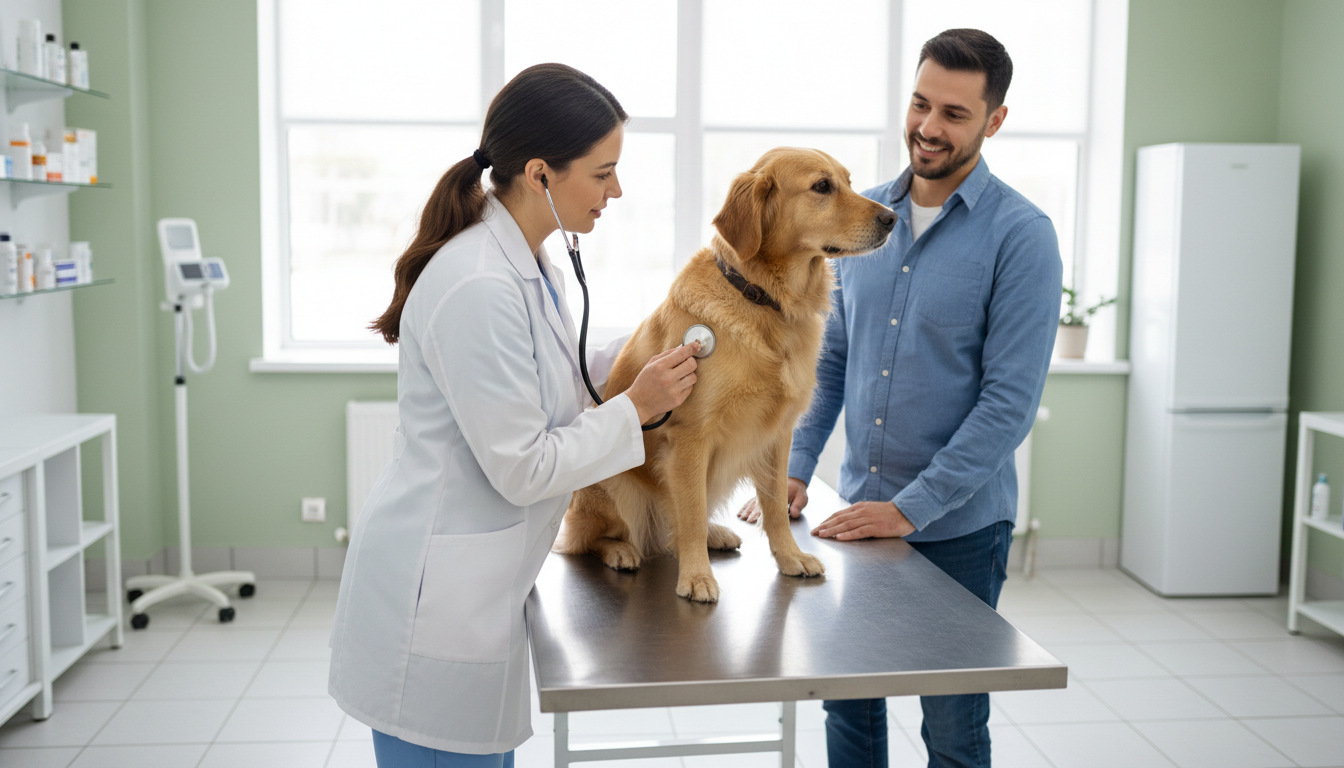
Head to the vet right away if you see any of these signs:
- Vomiting or retching, especially if it repeats or nothing comes up
- Straining to poop, no poop, or blood in the stool
- A swollen, hard or painful belly
- Drooling, gagging or pawing at the mouth
- Low energy, hiding, collapse or refusing food
Plenty of dogs pass small bone pieces without any trouble, but that’s a call for your vet to make, not the internet. It’s worth brushing up on basic pet first aid before the holidays, too. And since emergency visits can be expensive, our guide to how much dog insurance costs is worth a look if your dog isn’t covered yet.
Frequently Asked Questions
Can dogs eat turkey skin?
No. Turkey skin is very fatty and usually seasoned with butter, salt, onion or garlic. Fatty foods can cause stomach upset and are a known trigger for pancreatitis in dogs.
Can dogs eat cooked turkey bones?
No. Cooked bones splinter easily and can break teeth, get stuck, or tear the stomach or intestines. The FDA advises against giving dogs bones of any kind.
Can dogs eat dark meat turkey?
Yes, in small amounts if it’s plain, skinless and boneless. Dark meat has more fat than breast meat, so give a little less and skip it for dogs with a history of pancreatitis.
Can dogs eat ground turkey or deli turkey?
Plain, lean cooked ground turkey is fine with the fat drained. Deli turkey is often high in salt and may contain garlic or onion powder, so only give a tiny bite once in a while, if at all.
Can dogs eat turkey every day?
Plain cooked turkey can be part of a balanced diet, which is why it’s in many dog foods. But plain turkey on its own is not complete nutrition. Keep it within the 10% treat budget, or ask your vet to help balance a home-cooked diet.
Can puppies eat turkey?
A tiny piece of plain, cooked turkey breast is generally fine for a healthy puppy. Puppies have sensitive stomachs and need complete puppy food to grow, so keep treats very small. Our puppy growth chart shows what normal growth looks like.
The Bottom Line
Your dog can absolutely share in Thanksgiving. Give them a few bites of plain, fully cooked, skinless, boneless turkey, sized for their weight, and keep the skin, gravy, stuffing and anything with onion or garlic on your side of the table.
Then do the one thing that prevents most holiday vet visits: get the carcass and the trash out of reach the minute dinner ends. If something does go wrong, call your vet or ASPCA Animal Poison Control right away.
A little planning in the morning means a relaxed evening for everyone, including the one with four legs.
Keep learning: more guides from Pet Buddies Care
- What you need to know about pet first aid
- Homemade dog treats: 3 easy, healthy recipes
- How much does a dog cost per year? 2026 budget guide
Sources: American Kennel Club; U.S. Food and Drug Administration (FDA); ASPCA and ASPCA Animal Poison Control Center; VCA Animal Hospitals; World Small Animal Veterinary Association (WSAVA); USDA FoodData Central; USDA Food Safety and Inspection Service. Updated November 2026. This guide is general information, not veterinary advice. Check with your vet about your own dog.
What’s going on your dog’s plate this year? Tell us in the comments.