
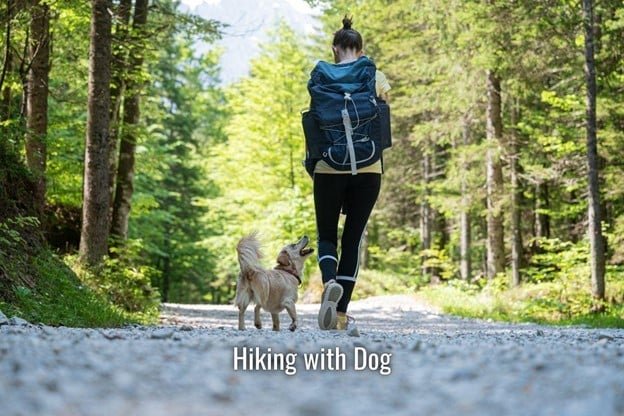
To hike safely with your dog, get a vet check, start with short easy trails, carry plenty of water, keep your dog leashed where required, and check for ticks and sore paws afterward. Build distance gradually, avoid hot weather, and skip long hikes for puppies, seniors and flat-faced breeds.
Key Takeaways
- Before you go: vet check, up-to-date vaccines, flea and tick prevention, ID tag and microchip.
- Pack: water and a collapsible bowl, snacks, waste bags, first aid kit, leash and harness.
- On the trail: start slow, rest often, watch for heat stress and keep to marked paths.
- Afterward: check for ticks, paws and soreness.
- Not for every dog: puppies, seniors and brachycephalic breeds need extra caution.
This article is general information and not veterinary advice. It contains affiliate links. We may earn a commission if you buy through them, at no extra cost to you. See our Disclosure.
Why Hike with Your Dog?
- Exercise: good for heart, muscles and weight control, for both of you.
- Mental stimulation: new smells and sights keep dogs engaged.
- Bonding: shared adventures build trust.
- Calmer behavior: many dogs are more relaxed after a good outing.

Before You Hike
Is Your Dog Ready?
Consider age, breed and fitness. Athletic breeds such as Border Collies, Australian Shepherds and Labradors usually handle distance well. Flat-faced dogs like Pugs and Bulldogs overheat easily and should stick to short, cool walks. Puppies with growing joints and senior dogs need shorter, gentler routes.
Visit the Vet
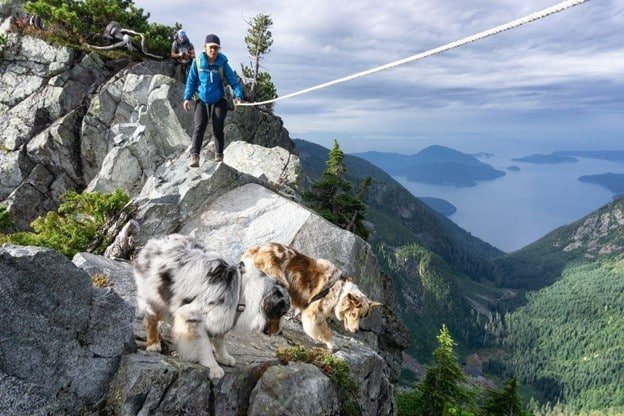
Ask your vet to confirm your dog is fit for hiking. Review vaccines, flea, tick and heartworm prevention, and any local risks such as Lyme disease or rattlesnakes.
Choose the Right Trail
Confirm dogs are allowed and whether leashes are required. Look for shade, moving water and gentle terrain. Avoid steep, rocky or hot exposed routes for beginners, and check the weather.
Train the Basics
Reliable “sit,” “stay,” “leave it” and “come” commands help you manage wildlife, other hikers and tempting trail snacks. Practice on short walks first.
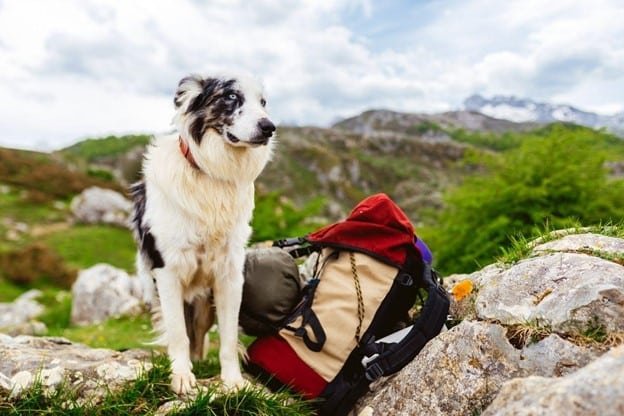
Dog Hiking Gear Checklist
| Item | Why you need it |
|---|---|
| Water and collapsible bowl | Dogs overheat quickly. Carry more than you think you need. |
| Leash and harness | Required on many trails. A harness is gentler on the neck. |
| Dog snacks | Keeps energy up on longer hikes. |
| Waste bags | Pack out what your dog leaves. |
| First aid kit | Bandages, antiseptic wipes and tweezers for ticks or splinters. |
| ID tag and microchip info | Helps if you get separated. |
| Booties (optional) | For rough, hot or icy surfaces. |
Leashes and Harnesses


First Aid Kits
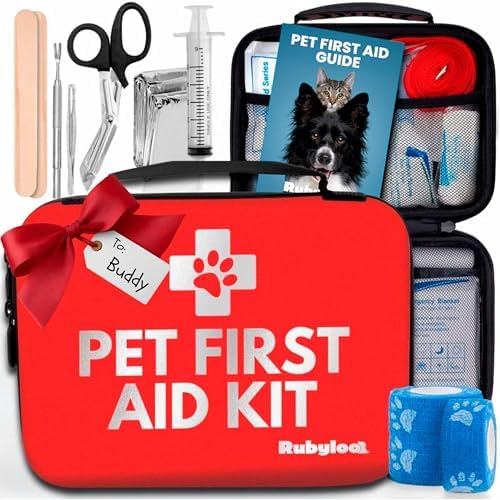
- 1. BE PREPARED FOR ANY PET EMERGENCY – Vet-approved dog & cat first aid kit with pet-safe medical supplies, perfect for …
- 2. MORE THAN JUST BANDAGES – Includes vet-wrap, tick remover, first aid pads, saline wash, styptic pencil, slip leash & …
- 3. BUILT FOR TRAVEL & ADVENTURE – Water resistant, hard-sided case protects supplies in your car, backpack, or RV. Ideal…
Collapsible Bowls and Dog Boots



On the Trail
- Start slow: short, easy routes first, then build distance and difficulty.
- Watch your dog: heavy panting, drooling, limping or refusing to move means rest.
- Offer water often: and avoid letting your dog drink from stagnant pools, which can carry bacteria and parasites.
- Use a leash around wildlife: it protects your dog and the animals.
- Share the trail: yield to others and keep your dog close when passing.
- Stay on marked paths: this reduces tick exposure and protects habitat.
- Check paws at rest stops: for cuts, burrs or hot-surface burns.
- Know the nearest vet: before you start.

Signs of Overheating
Excessive panting, bright red gums, thick drool, stumbling or vomiting can signal heat stress. Move to shade, offer small sips of water and cool your dog gradually. Heatstroke is an emergency, so call a vet right away.
After the Hike
- Cool down: rest in shade and offer water.
- Check for ticks and injuries: look between toes, in ears, under the collar and in skin folds. Remove ticks promptly. See the AKC guide to Lyme disease.
- Clean up: wipe paws and coat, or bathe if muddy.
- Monitor for days: call your vet if your dog is very tired, lame or off their food.
Related: smart pet health monitors and why annual wellness exams matter. Browse supplies in our pet shop.
Frequently Asked Questions
How far can a dog hike?
It depends on breed, age and fitness. A conditioned dog may manage many miles, while an unfit dog should start with 1 to 2 miles. Build up gradually and watch for fatigue.
How much water should I bring for my dog?
Bring more than you expect to use and offer small amounts often, especially in warm weather. Your vet can advise on your dog’s needs.
Can puppies go hiking?
Only after core vaccines and with short, gentle outings. Long or steep hikes can strain growing joints, so ask your vet.
Should my dog wear boots?
Not always. Boots help on very hot, icy or abrasive surfaces, but introduce them at home first so your dog is comfortable.
Sources
Last reviewed: November 2026. Check local trail rules and consult your vet about your dog’s fitness.