Blog

Brown dog looking at something

Do Dogs Eyes Change Color: Real Life Experiences

Do Dogs Eyes Change Color – Learn why a dog’s eye color may change over time, the science behind it, and whether it’s normal or a sign of health concerns. Do Dogs Eyes Change Color: In Depth Analysis Recently, I figured it out that dogs’ eyes change color. I have 2 dogs. One of them, got brown eyes few months ago. I was curious why that happened. Is my dog affected by any virus infection or it is normal? I talked to Vet Hospital and performed lot of online research. Actually, you do not need to worry always about your dogs if their eyes change color. Today, I will share my experience with all of you so that you can easily find out when you need to worry about your dog. Let’s explore our article do dogs eyes change color. Have you seen your dog’s eye color changing? A dog’s eye color can be interesting and beautiful. However, it can also show some health problems. Small changes in eye color can be normal as dogs get older. Still, some eye color changes can mean more serious issues. If you notice these changes and know their reasons, you can help your dog get the right care on time. Understanding the Basics of Dogs’ Eye Color A dog’s eye color, like in humans, is mainly decided by the amount and spread of melanin in the iris. The iris is the colored part of the eye around the pupil. Melanin is a pigment that also gives color to skin and hair. It controls how much light the iris takes in, which affects the eye color we see. Genetics set the first eye color of a dog. However, other things can change that color over time. The dog’s breed, age, health issues, and some medications can all lead to changes in eye color during their life. The Science Behind Eye Color in Dogs The eye color of dogs is mainly about a substance called melanin. This is a pigment made by special cells known as melanocytes. There are two main types of melanin: eumelanin, which is black or brown, and pheomelanin, which is yellow or reddish-brown. The mix of these pigments, based on a dog’s genes, gives us the different eye colors we see in dogs. A dog’s eye color is influenced by the genes inherited from their parents. Dogs with more eumelanin usually have darker eyes like brown or hazel. On the other hand, dogs that have less eumelanin or more pheomelanin can have lighter colors such as amber or yellow. Sometimes, genetic differences can cause a complete absence of pigment in the iris, which leads to blue eyes. This happens when the cells that make melanin are not present or are not working. This change alters how light moves in the iris, making blue wavelengths stand out more. If you like to know about dog eyes color changes, you can read FirstVet article. They identified several factors that Cause Color Changes in Dogs. Factors Influencing Changes in Eye Color Some changes in a dog’s eyes are normal, while others might show health concerns. It is important to know the difference if you want to be a good pet owner. For instance, as dogs grow older, their eyes can get lighter because they produce less pigment. This is similar to how people get gray hair with age. Certain breeds are also more likely to have specific eye colors or changes. Huskies, for instance, are famous for their beautiful blue eyes, which come from a gene variant. Meanwhile, breeds like Labrador Retrievers usually have brown eyes. It is very important to see a veterinarian if a dog’s eye color changes suddenly or a lot. These changes could be signs of an eye infection, inflammation, or serious problems like cataracts or glaucoma. These issues need quick medical care. Preparing to Monitor Your Dog’s Eye Color Changes Before you track any changes, be ready. Know your dog’s eye health history. Gather some basic tools to help you monitor it. Keep in mind that you should check your dog’s eye color as part of regular vet visits. You are the first line of defense for your dog, but a veterinarian can give a professional diagnosis and suggest the right treatments if needed. What You Will Need to Get Started Recognizing Normal vs. Concerning Changes It is important to know when eye color changes are normal and when they need a vet’s help. Small changes in color can happen, especially in older dogs and are usually harmless. But if you see quick or big changes, you should check it out right away. Here’s a way to tell the difference: Normal Changes: Warning Signs: If you see any warning signs, talk to your veterinarian right away. These may be signs of other health issues like infections, injuries, or long-term problems like cataracts or glaucoma. Step-by-Step Guide to Tracking Eye Color Changes in Dogs Now that you are ready, let’s look at an easy three-step way to track changes in your dog’s eye color. First, you need to set a baseline. Next, keep an eye out for any changes. Finally, if you have any worries, talk to your veterinarian. Using this simple method can give you helpful information about your dog’s health. It can also help you deal with any problems quickly. Step 1: Establish a Baseline of Your Dog’s Current Eye Color The first step is to set a baseline. This is very important during puppyhood because a puppy’s eye color may change until they grow up. Note your puppy’s eye color when their eyes first open. In the next few weeks and months, you may see small changes in color as their pigmentation develops. Keep in mind that a puppy’s starting blue eyes may not be their permanent eye color. When your dog becomes an adult, their eye color will stay the same. This permanent eye color is your baseline for watching any future changes. Step 2:

Do Dogs Eyes Change Color: Real Life Experiences Read More »

A dog running in a pool with happy face

The 333 Rule for Adopting a Dog: Step by Step Guide

Explore the 333 rules for adopting a dog and ensure a successful and fulfilling adoption process for your new canine companion. Let’s read the article. Easy Steps to Follow the 333 Rule for Adopting a Dog Key Highlights Introduction Adopting a rescue dog into your home is a fantastic decision. The first few months with your new four-legged companion can elicit a range of emotions. But the rewards will be huge. 333 outlines first 3 days, first 3 weeks and first 3 months of stages after bringing dog at home. Remember that each adoptable dog is unique. They all have their own past and ways to adjust to new surroundings. Knowing the adjustment process can help. The 333 Rule can guide you and make the move easier for both you and your new furry friend. Understanding the 333 Rule for Dog Adoption When you adopt a new dog into your home, it’s very exciting. But for your new furry friend, it can also be a significant adjustment. The 333 Rule is a popular concept in the training community. It helps set your expectations and supports your rescue dog during this time. Instead of seeing it as strict rules, think of it as a way to understand how your dog will adjust to their new family. This rule considers the dog’s adjustment in three stages: the first 3 days, the first 3 weeks and the first 3 months. It also emphasizes patience, positive reinforcement and consistency, especially in those early months. Just keep in mind that if you want to forge a successful long-term relationship with your new dog, the key is building a strong foundation of trust and understanding. What is the 333 Rule? The 333 Rule describes three phases that your pet will experience in the first few months of bringing them into their new home. It indicates that dogs, like humans, require time to acclimate to new experiences or routines. The first 3 days are mainly about allowing your dog to relax. It can be overwhelming, with sights and sounds and people so new to them. It’s important to give them a safe space where they can de-stress and adjust. As you work through the first 3 weeks, your dog will begin to settle in and reveal themselves. So, if they get introduced to different things or if they learn a few of the basic commands that will help them build confidence and set into a routine. Your dog may take up to 3 months and more to get used to the environment, behave normally and show their real personality. The Importance of the 333 Rule in Dog Adoption New dog owners often hope their new friends will fit in quickly. However, it’s important to know that this change takes time. The 333 Rule is helpful because it gives realistic ideas about how a rescue dog will adjust. This understanding can help keep dogs from being sent back to the shelter. You can also read HSNT website for learning more about the importance of 333 rule. When owners know the challenges of the first few months, they can use positive reinforcement to encourage good behavior. Using this consistent method works better than punishing the dog, which may confuse or scare them as they settle into a new home. The 333 Rule also helps owners be patient. Patience is key when dealing with any behavioral issues that might show up during this time. Many dogs can feel anxious or insecure, and knowing this is normal can make the process easier for both the dog and the owner. For applying 333 rules, you can get more details information at new hope animal rescue website. Preparing to Adopt a Dog Using the 333 Rule Adopting a dog, especially a rescue, is a wonderful experience, but you need to be ready. The 333 Rule highlights how important it is to make a safe and welcoming space before your new family member arrives. Planning ahead can help reduce stress and make things easier for everyone. Getting your home ready isn’t just about getting dog food and toys. It’s about setting up a good structure, collecting necessary supplies, and making a calm area for your dog to relax after their trip. A well-prepared home is the key to a happy and successful adoption process. Essential Supplies for Your New Dog Your furry friend will need some essentials to feel safe and comfortable from day one. Make sure you have these items: Setting Up a Comfortable Environment Imagine being in a totally new place, seeing and smelling things you don’t know. This is what your dog feels when they come to your home. It is very important to make a calm and friendly space. This will help your dog feel better and adjust to their new environment more easily. First, set up a safe area where your dog can go when they feel stressed or scared. This can be their crate, a dog bed in a quiet spot, or a room with few people around. Make sure this area has a comfy bed and maybe a blanket to help them feel safe. Next, keep things simple at first. Avoid giving your dog too many toys or too much attention. Let them have plenty of space to check out their new surroundings at their own speed. Keep noise low and limit visitors for the first few days. Allow your dog to choose when to interact. A Beginner’s Guide to Adopting a Dog So, you want to open your heart and home to a dog—that’s amazing! Adopting a dog can be a rewarding experience. However, it’s crucial to approach it with both your heart and your mind. The best advice you can get from the rescue community is to be patient, patient, patient! Patience will help you a lot when bringing a dog into your home. By knowing about the commitment, it takes and learning more, like the 333 Rule, you will be ready for a wonderful journey together. Introducing the Topic: Why Choose the 333 Rule? Adopting a dog can

The 333 Rule for Adopting a Dog: Step by Step Guide Read More »

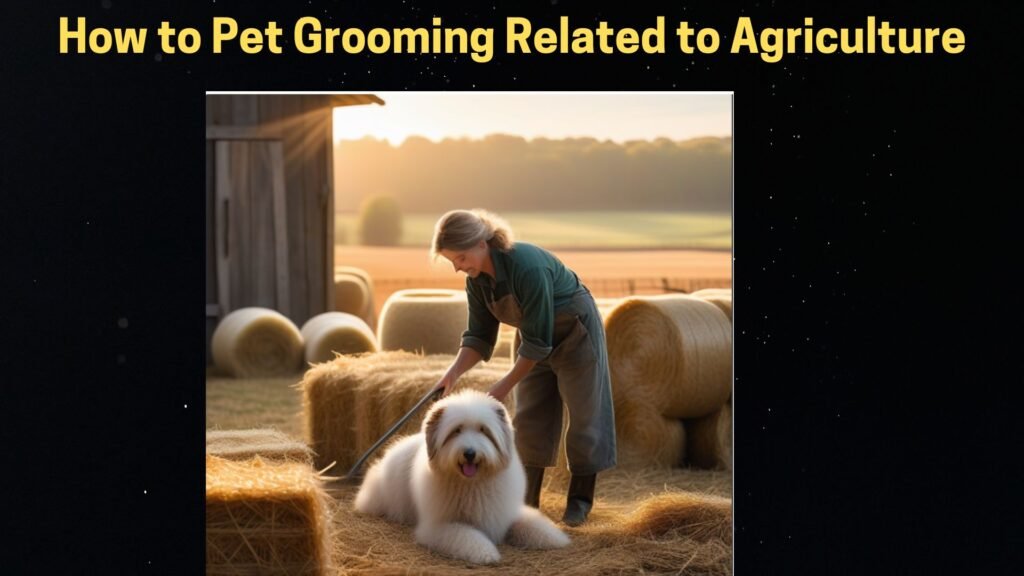
One dog is seating in a ground where a female is doing pet grooming.

How does Pet Grooming Relate to Agriculture? Explained

Many people do not believe that there is a link between pet grooming and agriculture. Explore our blog to know how does pet grooming relate to agriculture. Exploring the Connection: How does Pet Grooming Relate to Agriculture? “This article contains affiliate links. I might get commissions from those links if you click through the link and finalize a purchase. Please read Disclosure section for more information. “ Introduction Regular grooming is very important for the welfare of animals, including its vital role in farm animal productivity, such as egg production, and the prevention of diseases related to physical health, as it directly influences important productivity metrics and helps avoid productivity losses, ultimately enabling animals to reach their productive potential. Pet groomers play a crucial role in these efforts. Let’s explore how does pet grooming relate to agriculture? Grooming can be an integral part of a comprehensive health and welfare management plan that involves taking care of pets and managing livestock responsibly, contributing to effective environmental management and ensuring animals are kept in optimal condition. Grooming is not just about looks; it helps keep animals healthy and clean. This discussion will show how pet grooming connects to farming. It will highlight how regular grooming affects animal welfare and the productivity of agriculture. The Importance of Proper Grooming in Animal Health Proper grooming is important for keeping animals healthy. It helps prevent health problems like skin diseases, parasites, and infections. Brushing regularly gets rid of dirt, debris, and dead hair. This can help stop germs from harming animals. Grooming also helps blood flow and spreads natural oils. This makes the skin and coat look better. For farm animals, good grooming helps them stay cool and lowers the chances they will suffer from heat stress. This can help them be more productive. Enhancing Livestock Health through Regular Grooming Regular grooming practices are very important for keeping animals healthy on farms. By cleaning off dirt, external parasites, and old hair, grooming helps stop skin diseases that can hurt an animal’s health and ability to produce. Additionally, early detection of potential health issues, such as skin problems, wounds, or unusual signs, can be achieved through regular brushing. Also, this allows for quick treatment and prevents more issues. Also, regular grooming helps spread natural skin oils. This keeps a healthy coat and protects against outside parasites and changes in the environment. This is especially important for livestock outside, as they face different weather conditions. Following strict grooming protocols is not just about looks. It is an essential part of caring for animals. In addition, it helps improve the overall health and well-being of the herd or flock. Preventing Diseases in Farm Animals with Grooming Techniques Grooming animals is very important for keeping them healthy and preventing diseases caused by potential pathogens, as it also helps support the immune system. When farm workers regularly clean and check the coat and skin, removing dead hair and skin cells of farm animals, it helps stop germs from growing and reduces the risk of skin diseases, which ultimately supports farm productivity. This is especially helpful for avoiding skin infections in sick animals, which are common in livestock, especially when they live close together. Grooming also lets workers spot health problems early. When they handle and look at the animals regularly, they can see signs of illness like cuts, bumps, or anything unusual. This means they can take action and treat issues right away. In addition, keeping farm animals clean can really lower the chance of spreading diseases in a group of animals. This protects the health of the animals and helps the farm stay successful. The Role of Grooming in Agricultural Productivity Regular grooming does more than just help individual animals. It has a big impact on farming productivity as well. When animals are clean and healthy, they grow better, produce more milk or eggs, and have higher success rates in breeding. When farmers include grooming in their farm management practices, they help prevent diseases. This also reduces stress and improves the well-being of their livestock. All these things are connected to better productivity and making more money. How Grooming Affects Milk Production and Quality In dairy farming, grooming is very important for productivity. Dairy cows that receive regular grooming usually produce more milk and better quality milk. Brushing helps boost blood flow to the udder, which can increase milk production. Keeping things clean is crucial for good milk quality. Cleaning the udder before milking helps cut down the chance of germs and avoids mastitis, keeping dairy products safe. By following strict grooming protocols, dairy farms can help the health and happiness of their cows. This leads to higher milk production, better milk quality, and benefits for the farm’s finances. The Impact of Grooming on Livestock Behavior and Stress Levels Grooming is not just a good maintenance activity for the bodies of farm animals; it also helps their mental health and improves their lives and the lives of farm animals by encouraging natural behavior. When animals are groomed gently and regularly as part of a grooming routine, human intervention can calm them down and reduce stress, providing a calming and therapeutic effect that enhances their overall welfare and the early detection of injuries. Furthermore, this process contributes to the overall effectiveness of farming operations by yielding indirect benefits, especially by acclimating them to human contact and promoting a relaxed state. This is important on farms because animals can feel stressed from being handled, kept in small spaces, or mixed with other animals. When stress levels go down, farm animals perform better. Less stressed animals use their food better for growing and producing. They are also calmer, which means they do not act aggressively or hurt each other, helping keep the group of animals safe and happy. So, making regular grooming part of animal care is key for managing a farm. It helps create a happy and productive place for livestock. Amazon Products for Pet Grooming Here, I try to find out which products

How does Pet Grooming Relate to Agriculture? Explained Read More »

Dog diseases, dog lying in the floor with sad face

List of Diseases in Dogs: In Depth Analysis

List of Diseases in Dogs – Learn about common dog diseases, their symptoms, causes, and prevention tips to keep your furry friend healthy and happy. List of Diseases in Dogs: In Depth Analysis for Dog Owners Preventing diseases in dogs is very important. It helps keep them healthy and happy. Our furry friends can face several health problems. Some of these problems include the very contagious canine parvovirus and common issues like obesity and diabetes. It is thought that obese dogs may have a greater risk of developing diabetes later in life. We can help our dogs stay healthy by monitoring their weight and ensuring they get enough exercise. We can also do this by getting them the right vaccinations and feeding them a good diet. Providing good care is key too. Let’s explore list of diseases in dogs. Strategies for Preventing Canine Diseases Preventing common canine diseases involves several steps. It’s important to not just handle issues as they occur. You should also work on ways to prevent them. Doing this can help your dog live a longer and healthier life. Key steps are getting regular vaccinations. A balanced diet is key too. Make sure your dog gets exercise to control weight and practice good dental care. It is also important to keep a clean home. Socializing your dog and visiting the vet regularly can help prevent diseases. 1. Regular Vaccinations and Health Check-ups Vaccinations are vital for keeping your dog safe from serious and contagious diseases. All dogs need core vaccines. These vaccines protect against parvovirus, distemper, adenovirus, and rabies. There are also vaccines that are not required but can be good for your dog. These include shots for kennel cough, leptospirosis, and Lyme disease. They also cover cancers like lymphoma and mast cell tumors. A mast cell tumor can feel like a lump or bump on your dog’s skin. Vaccines depend on your dog’s lifestyle and risk factors. This is especially important for breeds like boxers, which have a higher chance of certain cancers. Regular visits to your vet help catch problems early. During these appointments, your vet can check your dog’s white blood cells and other important signs for issues like lymphoma and mast cell tumors. Your vet can also suggest how to prevent and treat problems like licking granuloma. This skin problem occurs when dogs lick their skin too much. By sticking to the vaccination schedule and visiting the vet often, you help your dog stay safe from these diseases that can be avoided. Keep in mind that preventing problems is better than fixing them! 2. Maintaining a Balanced Diet A balanced diet is important for the health of dogs, just like it is for people. You need to provide your dog with food that has all the nutrients they require. This diet should match their age, breed, and activity level. Obesity is a rising issue for dogs. It can cause serious health problems like joint pain, heart disease, and diabetes. A good diet can help your dog stay at a healthy weight. This not only helps their organs work well but also reduces the risk of diet-related health issues. Talk to your veterinarian. They can tell you how many calories and nutrients your dog needs. They can also suggest good quality dog food or help you make balanced meals at home. 3. Regular Exercise and Weight Management Regular exercise is important for dogs. It helps them keep a healthy weight and build strong bones and muscles. Exercise also keeps their minds sharp. The type and amount of exercise your dog needs may change based on their age, breed, and health. Older dogs may require different exercises than young, energetic pups. Some breeds, particularly larger ones, face a higher risk of joint issues. They might need specific exercise plans to stay healthy. Find fun activities for your dog. They may enjoy walking, running, playing fetch, or swimming. Aim for at least 30 minutes of exercise most days. Always speak with your veterinarian before starting a new exercise plan, especially if your dog has health problems. 4. Dental Care and Hygiene Dental hygiene is very important for dogs. A lot of people forget about it, but it really matters, just like for humans. If you don’t take care of your dog’s teeth, they might face painful issues like gingivitis or gum disease. They could even lose teeth. These problems can make it hard for your dog to eat. If bacteria from their mouth enter their blood, their health can get worse. It is important to have a good dental care routine for your dog. Brush your dog’s teeth every day using a special dog toothbrush and dog toothpaste. You can also give your dog dental chews and toys. These can help reduce plaque and tartar on their teeth. Don’t forget to book professional dental cleanings for your dog with your veterinarian. It’s best to do this once a year or every six months. Older dogs may need extra care because they often have more dental issues. By taking care of your dog’s dental health, you can help them stay healthy and happy. 5. Parasite Prevention and Control Parasites like fleas, ticks, heartworms, and intestinal worms can cause discomfort for your dog. They can also lead to diseases and harm your dog’s health. One serious issue is heartworm disease. This disease can affect your dog’s heart and lungs. In some cases, it can even be deadly. It’s important to stop parasites all year round. There are many safe and effective medicines you can use. This includes lotions, pills, and collars. Talk to your veterinarian to choose the best choice for your dog. Think about their lifestyle, any risks, and your location. Keeping parasites away helps protect your dog from pain and health problems. 6. Managing Stress and Anxiety in Dogs Dogs can feel stress and anxiety just like people do. This can cause them to have behavior problems and make their immune systems weaker. When this

List of Diseases in Dogs: In Depth Analysis Read More »

Cat hair removing in pet grooming center

How to Open Pet Grooming Business: Guide with Cost

Ready to open a pet grooming business? Our beginner’s guide covers how to open pet grooming business step-by-step. Start your business today! “This article contains affiliate links. We might get commissions from those links if you click through the link and finalize a purchase. Please read Disclosure section for more information.” How to Open Pet Grooming Business: Guide with Cost for Opening Business The pet grooming industry is growing fast. Starting a new business in this field can be great for you personally and financially. If you love pets and want to be an entrepreneur, joining the pet grooming world might be just what you need. This guide will give you the knowledge and tips to start and grow your own pet grooming business. Pet Statistics in USA According to American Pet Products Association (APPA) (americanpetproducts.org), approximately 86.9 million homes, or 66% of US households, had pets as of 2024. With a yearly growth rate of 1.6% over the previous five years, there will be 196.9 million pets worldwide in 2024. The bond between humans and animals continues to grow stronger, leading to an increase in pet ownership across the country. This trend highlights the integral role that pets play in providing companionship, joy, and emotional support to millions of families nationwide. According to Dogster (https://www.dogster.com), “In 2023, Americans spent $89 billion on their dogs. Additionally, pet food sales in the USA increased by 16% in 2023”. That means pet industry is a very good opportunity for new entrepreneur. Now, pet owners are interested spend more money for their pets than before and they treat pets as their family members. According to American Pet Products Association (APPA), ” Americans spent $136.8 billion on pets in 2022, up almost 11% from $126.36 billion in 2021.” So, pet related business should be a good choice for new entrepreneur. Anyone can easily open pet grooming business within a reasonable cost by following some guidelines. Pet Grooming Cost Breakdown Running a pet grooming business in the USA involves various costs that aspiring entrepreneurs should consider. Firstly, obtaining a license to operate a pet grooming business can vary depending on the state and local regulations. License costs may range from $100 to $500 or more. Setting up a pet grooming store requires initial investment in equipment such as grooming tables, tubs, dryers, clippers, shears, and other tools. The cost of setting up a basic grooming salon can range from $10,000 to $50,000 or more, depending on the size and scale of the operation. Other costs to factor in include rent for the commercial space, utilities, insurance (liability insurance is crucial for pet grooming businesses), marketing and advertising expenses to attract clients, as well as ongoing supplies like shampoos, conditioners, cleaning products, and other grooming essentials. It’s important to create a detailed business plan outlining all potential costs involved in starting and running a pet grooming business in the USA. Conducting thorough market research and seeking advice from industry experts can help estimate the total investment required to launch a successful pet grooming venture. Different Types of Licenses for Strating Pet Grooming Business When opening a pet grooming business, you may need several types of licenses to operate legally. Firstly, you will likely need a general business license to run your establishment. Additionally, depending on your location, you may require specific permits related to animal care and grooming services. These could include a pet care license or an animal boarding permit. Furthermore, since you will be handling animals, it is crucial to have insurance coverage to protect your business in case of any incidents. You may also need a zoning permit to ensure that your business location complies with local regulations. Moreover, if you plan to sell pet grooming products or offer additional services such as pet training, you might need separate licenses for these activities. It is important to research the licensing requirements in your area and ensure that you have all the necessary permits before starting your pet grooming business. Understanding the Pet Grooming Industry Landscape The pet grooming industry is growing fast. More people are getting pets, and pet owners are spending more money. This is a great chance for new entrepreneurs to enter a market that has a lot of room to grow. If you are looking to start your journey in this field, it is important to know how the industry works. You should research the current businesses, look for potential competitors, and learn about local rules. By understanding the market well, you can set up your business for success right from the start. The Growing Demand for Pet Grooming Services The pet industry, especially the need for pet grooming services, has grown a lot in recent years. This rise is due to different reasons, showing that more people see pets as important family members. Pet owners are now more willing to spend money on their pets’ care. They understand that professional grooming is key for their pets’ hygiene, health, and happiness. Also, social media has helped increase the need for pet grooming. Proud pet owners like to share cute photos of their well-groomed pets online. This has made more people aware of the benefits of grooming services. Key Factors Driving the Pet Grooming Market First, more people treat their pets like family. They spend more money on them. Pet owners are willing to pay for better products and services, including dog grooming. Also, social media helps dog groomers reach more people. They can show their skills and attract new customers. By posting striking before-and-after pictures on platforms like Instagram and Facebook, they can quickly grab the attention of potential clients. Read more- Best Pet Grooming Center at Myrtle Beach SC Preparing to Start Your Pet Grooming Business Before you start your pet grooming business, it’s important to plan carefully. This initial step will help make things easier later and reduce problems. You should think about your passion for pets. Check the market and create a solid business plan. Also,

How to Open Pet Grooming Business: Guide with Cost Read More »

Master Your Pet Morning Routine: Beginner's Guide

Master Your Puppy Morning Routine: Beginner’s Guide

Puppy Morning Routine – Start your pet’s day right with a healthy and structured morning routine, including feeding, exercise, grooming, and bonding time. Master Your Puppy Morning Routine: Beginner’s Guide for Owners Just like people, pets need routines to feel good! Having a daily routine can help pets and their owners in many ways. It helps create a sense of security, lowers separation anxiety, and makes it easier to care for them. A good morning routine can start the day off right and give your pet stability. In this blog post, we will show you puppy morning routine with great care. “This article contains affiliate links. We might get commissions from those links if you click through the link and finalize a purchase. Please read Disclosure section for more information.” Understanding the Importance of a Puppy Morning Routine Many pet owners do not understand how much a daily routine can help their puppies. It’s not only about feeding them at the right time; it’s about meeting their emotional and physical needs regularly. When pets know what will happen next, they feel calmer and happier. They are less likely to act anxious. Think about being in your pet’s position. Wouldn’t it feel good to know when you will eat, when it’s time to play, or when your owner will come back home? Having a set routine gives your pet the comfort they need. This builds their trust and strengthens the bond you both share. The Role of Routine in Your Pet’s Health and Well-being A good morning routine does more than just meet basic needs. It helps your pet’s body and mind stay healthy. Sticking to a regular schedule for feeding, drinking water, and exercising leads to better digestion and helps manage a healthy weight. It also stops behavior issues that can happen when pets get bored or have too much energy. Morning walks are a great example. They not only encourage physical activity but also let you spend quality time with your furry friend. This time together builds a strong bond and creates good feelings about the routine. A steady routine also gives your pet a sense of security. This reduces anxiety and helps keep their emotions steady. Feeling safe, loved, and cared for is important for your pet’s happiness in their home. How Morning Routines Strengthen the Bond Between You and Your Pet Establishing a morning routine is not just good for pets; it also strengthens the bond between pets and their owners. Dog owners often notice that spending time in the morning for walks, playtime, or a quiet cuddle helps build this relationship. This special time is perfect for activities that boost your pet’s mental stimulation and physical health. Playing fetch in the park, having a quick training session, or giving them a puzzle toy with their favorite treats can really enhance your pet’s day and improve your connection. Consistent interaction and shared activities create a flow to your day. Each everyday moment becomes a meaningful bonding experience for you and your pet. What You Need to Know Before Starting A morning routine can be really helpful for your pet. But remember, it should fit your pet’s needs and lifestyle. What works for one pet may not work for another. You should figure out what is best for both of you to create a good routine. Before you start, think about your pet’s age, breed, how active they are, health conditions, and what they prefer. Watch how your pet behaves and their energy levels. This will help you set up a routine that makes them happy and healthy. Identifying Your Pet’s Unique Needs Every pet is special, and their morning routine should match this. Think about these factors when creating a personal schedule: Also, always keep a water bowl nearby for your pet to drink from and stay hydrated during the day. Essential Supplies for a Successful Morning Routine To make your pet’s morning routine easy, make sure you have these important supplies ready: I use some of those amazon products for my pets in the morning. Those towel helps to clean properly and ear cleaner helps to clean dog ears. When you will clean your dog in the morning, they can start their morning with great stamina and will get more energy. Let’s explore those items- By choosing high-quality supplies, you help your pet feel good and make mornings better for both of you. Crafting the Perfect Morning Routine: A Beginner’s Guide Now that you know how important a morning routine is and you understand your pet’s needs, let’s talk about how to create a great start to their day. It’s important to stay flexible. Even the best routine can change based on your daily schedule and what your pet needs. Here is a template that you can adjust. You can add or remove things based on what works best for you and your pet. Step 1: Establishing a Consistent Wake-up Time The first step to a good morning routine is consistency. Try to wake up and start your pet’s day at the same time every day. You may need to change your daily schedule a little, especially if you have a new puppy. However, the benefits are worth it. Waking up at a regular time helps your pet’s body clock. This makes it easier for them to follow other parts of the routine, like meal times, potty breaks, and exercise. Over time, this consistency will lead to expected behavior. It will also help reduce any worries they have about what happens next in their day. When making any big change, take it slow. If you need to wake up earlier, start by waking up just 15-20 minutes earlier. Do this for a week or two so your pet can adjust comfortably. Step 2: Hygiene and Health Check Once you and your pet are up, take your pet outside right away for their first potty break of the day. If you have puppies who are still

Master Your Puppy Morning Routine: Beginner’s Guide Read More »

A dog smiles as they introduce new cat at their home

Easy Steps: How to Introduce Dog to New Puppy

How to Introduce Dog to New Puppy- Learn the best steps to ensure a smooth and stress-free introduction between your dog and a new puppy for a happy home. “This article contains affiliate links. We might get commissions from those links if you click through the link and finalize a purchase. Please read Disclosure section for more information.” Step-by-Step: How to Introduce Dog to New Puppy Having a new puppy come into your house is an exciting time for everyone involved. During this period, it becomes really important to help both the new puppy, and your other furry friends adjust easily. With patience and understanding, you can create a positive experience for all. By sticking to these guidelines, you can assist your new pet in feeling at home and promote good relationships among your pets. Key Highlights Preparing Your Home for the New Arrival Before the arrival of your new puppy, it’s important to create a welcoming and safe space for them. By preparing with the essential supplies, you can make sure you meet their basic needs right away. With food and water bowls set up for your new puppy, be aware that their placement should avoid territorial problems with any other pets you might have. In addition, establishing a safe area for your new companion allows them to get used to their new environment. This area should be cozy, giving them a place to relax and handle the sights, sounds, and smells of their new home. Essential Supplies You Will Need Starting with the basics, a crate for a new dog or a special room for a new cat can really help make them feel safe. Around this space, make sure to have cozy bedding, the right food, and fresh water close by. Using a leash is also key, even if you don’t plan on walking your new dog right away. You can use it for getting to know them better and for short outings initially. Here I gather a list for new puppy essentials from amazon. You can look those best reviewed products for your new puppy- For homes that have more than one level or sections you want to keep off-limits, think about putting up baby gates. These can be super useful during the first week of adjusting. If you have a cat, adding different vertical areas like cat trees is great. They help your cat climb naturally and give them a chance to look at everything from a safe spot. Lastly, don’t forget to make sure that your new pet’s vaccinations are current, and plan a visit to the vet for a check-up within the first week after they arrive. This gives the vet a chance to check their health and take care of any worries early on. Setting Up a Safe Space for Your New Pet Setting up separate areas for your pets makes the introduction process easier and lets them get used to things slowly. When you bring in a new dog, find a room where you can place their crate and give them easy access to water, food, and a cozy spot to rest. You need to pick a space that lets your new pet have an escape route if they feel nervous. For a new cat, a spare bedroom or a calm corner in a quieter part of your home is a good choice. You should make sure the area has a litter box, scratching post, food, water, and a comfy bed or blanket. The important thing is to create a safe feeling and let your cat settle in at their own speed. It’s good to remember that giving your new pet their own space creates a feeling of ownership and safety, which helps them adjust to their new environment. By keeping a peaceful and steady setting in their safe area, you’ll help an awful lot with their well-being. Understanding Your Current Pet’s Personality Before you bring your new pet home and introduce them to your resident animals, it’s very important to think about the personalities of everyone involved. With a resident dog, you should watch how they act around other dogs. Do they usually get along well, or do they stay more to themselves? With cats, it’s often different as they tend to be more territorial than dogs. If there’s a resident cat helping with the household, it’s good to keep in mind how they usually respond to new animals. Think about their age and temperament because older dogs and cats might require a slower introduction process. Assessing Your Pet’s Sociability and Behavior By observing your current pets and how they behave, you can gain useful insights into how they might feel about a new friend. Do they show calm behavior when around other animals, or do specific situations cause signs of anxiety or reactions of aggression? If your resident dog is known to guard things like toys or food, it’s important to be careful during the introduction of a new pet. Focusing on their body language can help a lot. For example, growling, barking, or lunging might mean the dog is feeling aggressive. When dealing with cats, hissing, swatting, or ears that are flattened often show they’re uncomfortable or protecting their space. It’s crucial to remember that each animal has its own personality, and their responses can differ because of their previous experiences. The aim is to foresee any challenges and build a positive, safe space for the initial introduction. Tips for Managing Jealousy or Aggression Introducing a new pet can sometimes make other pets feel jealous or territorial. To handle these feelings, starting with positive reinforcement works well. By rewarding your pets for showing appropriate behavior, like being calm and curious instead of aggressive towards the new arrival, you can encourage better interactions. When you see signs of aggression, such as growling, hissing, or snapping, it’s important to separate them right away. To manage the situation, avoid punishing them because that could make them more fearful or anxious.

Easy Steps: How to Introduce Dog to New Puppy Read More »

Dog hiking with a man

Hiking Trails For Dogs Adventure: My Top Picks

Hiking Trails for Dogs- Explore the best dog friendly hiking trails, safety tips to ensure a fun and safe outdoor adventure with your furry friend. “This article contains affiliate links. We might get commissions from those links if you click through the link and finalize a purchase. Please read Disclosure section for more information.” Hiking Trails For Dogs Adventure: My Top Picks for Adventure Dogs Going out into the great outdoors on a hike with your furry friend is a wonderful experience. With the fresh air, exercise, and time together, you can make memories that last a lifetime. But for your dog’s safety and enjoyment, you need to prepare. This guide shares ten important tips to help ensure successful hiking trips with your canine companion. Let’s explore top 5 hiking trails for dogs. Top 5 Hiking Trails For Dogs Here we will discuss top 5 hiking trails for dog. Let’s explore the article- Paris Mountain State Park Address: 2401 State Park Rd, Greenville, SC 29609 Ticket Price: $6 Phone: (864) 244-5565 Hiking Trails: 14 miles (23 km) Cherokee Bluffs Address: 5867 Blackjack Rd, Flowery Branch, GA 30542 Open Hours: 6 am to 9 pm Phone: (770) 535-8280 Reviews: 4.7 out of 5 Pets: Leashed pets are allowed within the park. Croft State Park Address: 450 Croft State Park Rd, Spartanburg, SC 29302 Ticket Price: $3 Open Hours: 7 AM-9 PM Phone: (864) 585-1283 Unicoi Lake Loop, Nearest city: Helen, Georgia Address: 1788 GA-356, Helen, GA 30545 Hours: Open 24 hours · More hours Phone: (706) 878-2201 Entrance fee: $5 per vehicle  Sweetwater Creek Red Trail Address: 1750 Mt Vernon Rd, Lithia Springs, GA 30122; 15 miles from downtown Atlanta.  Hours: 24 Hours open Phone: (770) 732-5871 Parking: $5 per vehicle. Annual passes available. Essential Tips for Safe and Enjoyable Hiking Adventures with Your Dog After finding the best Hiking Trails for Dogs, you need to know the tips for safe and enjoyable hiking with your dog. Going into nature’s beauty with your furry companion really gets the excitement going. With you both walking on beautiful trails and enjoying the fresh air, it makes your bond even stronger. But, for a pleasant and safe hiking trip, some careful planning is necessary for your dog’s happiness. Let’s explore the tips for hiking trails for dogs. 1. Choose the Right Trail for Your Dog’s Abilities Choosing a good trail that matches your dog’s fitness level is very important. Before you go out, you should check the difficulty level of the trail. You should think about things such as distance, elevation gain, and terrain. You need to make sure the trail fits your furry friend’s abilities. A tough hike may be too hard for a puppy or an older dog. You should also think about your dog’s breed because some breeds can better manage tough terrains than others. If you’re unsure, it’s a smart idea to begin with shorter, easier hikes and slowly work your way up to longer and tougher ones as your dog’s fitness level grows. 2. Understand and Respect Local Wildlife When you are out in the great outdoors, it’s important to keep in mind that you are sharing the area with local wildlife. Before you go on your adventure, take some time to learn about the animals that live there and any possible dangers they might bring. By knowing their habits, you can reduce your chances of meeting them and avoid tricky situations for both you and your furry companion. Keep in mind that wild animals can act unpredictably, and their actions may change based on different factors, like the presence of dogs. Always be a responsible hiker by keeping your dog on a leash, especially in places where you often see wildlife. 3. Prepare for the Weather and Terrain Before you go on your hike, remember to check the weather forecast. Be ready for any changes in the weather. With hot days, it’s important to pack extra water for your dog or a raincoat if there’s a chance of rain. Since dogs can easily overheat, try to plan hikes during cooler parts of the day. Also, take breaks often in shaded places. You can buy best dog hiking essentials from amazon. I have some list for you. Let’s explore the list- Think about the trail you plan to take. If it’s rough terrain with sharp rocks or thorny bushes, your dog’s paws could get hurt. In those situations, buying a good pair of booties is smart. Booties can protect their paws and help ensure a pain-free hiking adventure for your furry friend. 4. Keep Your Dog Hydrated and Nourished Just like people, dogs require enough water and food, especially when they’re doing tough activities like hiking. Depending on how long and intense your hike is, you should bring plenty of water for your dog. Using a collapsible water bowl is a smart choice to offer them breaks for refreshment while on the trail. Along with water, you should also pack some dog food or treats, particularly for longer hikes. This helps them regain energy and keeps them going during the adventure. Here’s a simple checklist: 5. Pack a Dog-Friendly First-Aid Kit Accidents can occur, even on the best-planned hikes. For unexpected situations, being prepared is very important, especially with your furry friend around. A dog-friendly first-aid kit should be a key part of your hiking gear. It should include everything needed to handle minor injuries or problems your dog might face on the trail. With this kit, include basic supplies like antiseptic wipes for cleaning wounds, bandages for covering cuts, and tweezers for getting rid of ticks or thorns. When your dog takes any regular medication, don’t forget to pack enough of that too. Having a fully stocked first-aid kit gives you peace of mind. It means you can provide immediate care if your dog needs it. I brought Dog First Aid Kit | Vet Approved Pet First Aid Supplies from amazon. This first aid kit is designed only for pets. You will get all first aid kits for your pets only $35. Also, you

Hiking Trails For Dogs Adventure: My Top Picks Read More »

10 Proven Methods How to Reduce Anxiety in Dogs

How to Reduce Anxiety in Dogs: Ultimate Guide

How to Reduce Anxiety in Dogs- Discover effective tips and techniques to calm your anxious dog, from training and exercise to soothing products and strategies. “This article contains affiliate links. We might get commissions from those links if you click through the link and finalize a purchase. Please read Disclosure section for more information.” How to Reduce Anxiety in Dogs: Ultimate Guide for Dog Owners Dog anxiety is a common experience for many dogs and their owners. Just like humans, dogs experience anxiety, and while it is a normal and healthy emotion, it can greatly affect a dog’s overall well-being. Signs of anxiety in dogs may include destructive behavior, excessive barking, shaking, or hiding. By understanding the causes of anxiety and implementing effective coping mechanisms, we can improve the quality of life for our furry companions and ourselves as pet parents. Let’s explore How to Reduce Anxiety in Dogs. 10 Effective Strategies How to Reduce Anxiety in Dogs Understanding when your dog is feeling anxious is crucial to helping them cope better. Signs of their anxiety, such as excessive licking or yawning, may not always be obvious. Other times, you may notice more obvious behaviors such as pacing, heavy breathing, or acting out. It is important to monitor your dog’s behavior and be proactive in addressing any signs of anxiety. After figuring out that your dog is dealing with anxiety, there are several steps you can take to make them feel more at ease and improve their overall happiness. It’s important to stick with these methods regularly and also talk to your vet for advice that specifically suits your pet. 1. Create a Safe Space for Your Dog To make sure your dog feels secure and comfy, it’s really important to set up a special spot for them. This quiet space is where they can go when they’re feeling anxious or just need some alone time. Think about putting together a snug area with their favorite bed, blanket, and toys in a corner of the room or in a cozy crate. To make this spot even more relaxing, try to keep it calm by reducing noise around it and maybe use some soothing lavender scent so they can always get there easily whenever they feel like it, even at the vet’s office or in the car. I use Waterproof Deluxe Plush Dog Beds. Do not forget to put cover on it so that I can wash the cover when I feel its dirty. This dog bed may maximize the much-needed support and comfort for your ailing puppy while also appropriately distributing the dog’s weight and enhancing mobility. Also, I have few best reviewed dog beds list at below. Check it out which one you think is best for your dog according to your home size- Plush Washable Dog Bed with Egg Crate Foam and Removable Cover It’s key that this place makes your dog happy and isn’t used as somewhere you send them when you’re upset with them. Forcing them into their safe zone could end up making things worse by causing more stress. 2. Introduce Regular Exercise and Playtime Getting your dog moving isn’t just good for their body; it’s also a big help in keeping them calm. By taking regular walks, having runs, or spending time playing in the dog park, you’re helping burn off extra energy and making them feel happier thanks to endorphins. With activities like fetch, frisbee, swimming or exploring new places together can make exercise something they look forward to. It’s all about finding what makes both of you happy and using that to grow closer. Before jumping into any routine though, have a chat with your vet. They’ll give advice on what kind of physical exercise is best considering how old your dog is and their overall health condition. 3. Use Calming Music or White Noise Music therapy isn’t just something that helps people; it’s also great for dogs who get anxious. Playing calming tunes, like classical music or songs made just for pets, has been shown to calm them down and make them feel more relaxed. With the soft tunes playing, it can cover up other noises around and set a peaceful mood. You have options like using speakers, headphones made for dogs, or checking out playlists online that are picked out just for this purpose. Let’s check some amazon white noise products for dogs- Try different types of music and watch how your dog reacts to figure out what they like best. A lot of pet parents have found that adding white noise sounds such as rain falling or waves crashing is really helpful too. 4. Implement a Consistent Routine Dogs really do best when they have a regular schedule. When you set up a steady routine for things like eating, going for walks, having fun together, and even sleeping times, it helps lower their stress by making their day-to-day life predictable. This way, your dog knows what’s coming next which can help avoid situations or triggers that might make them anxious. To get started with this routine thingy: pick specific times for feeding them, taking them out for walks and potty breaks. Then slowly add in other stuff to the mix but try to keep it all as regular as possible. Having this kind of predictability makes dogs feel more secure and in control of their environment which leads to them being more relaxed overall. 5. Consider Aromatherapy and Dog-Safe Essential Oils Aromatherapy, which uses essential oils from plants, can help dogs who feel anxious. Before you try it out, though, make sure to talk with your vet because some essential oils might not be good for dogs. Dogs are okay with their soothing effects, lavender, chamomile and frankincense if they’re watered down a bit. You could put them in a diffuser or on your dog’s bed in small amounts or even rub a little on their skin carefully. Since dogs have really strong noses just use a tiny

How to Reduce Anxiety in Dogs: Ultimate Guide Read More »

Pet Hair Free Home: 10 Quick Maintenance Tips

Remove Pet Hair From Home: 10 Essential Tips

Remove Pet Hair from Home. Discover effective tips and tools to get rid of pet hair from furniture, carpets, and clothing, keeping your home clean and fur-free. Remove Pet Hair from Home: 10 Essential Tips for Removing Pet Hair “This article contains affiliate links. We might get commissions from those links if you click through the link and finalize a purchase. Please read Disclosure section for more information.” Living with a furry friend in your living space is super fun, but it also means you have to deal with pet hair everywhere. If you’re a pet parent, you know how fur seems to stick to everything. However, there’s no need to worry! With some smart tactics and a bit of effort, keeping your home mostly free from pet hair is definitely possible. 10 Essential Strategies for a Pet Hair Free Home To win the fight against pet hair, you need a plan that tackles two things: cutting down on how much your furry friend sheds and getting better at cleaning it up. You can’t stop shedding entirely, but there are ways to make it less of a problem. This means taking good care of your pet’s health and cleanliness while also being clever about how you clean. With these tips in mind, you’ll be able to keep your home comfortable for both you and your animal companion! 1. Commit to Regular Grooming Sessions Regular grooming is key to keeping your house tidy. By brushing your pet’s fur often – how often you need to do this varies with their breed and the type of fur they have – you can get rid of loose hair before it ends up on your couch or floor. Try to make grooming a fun time for your furry friend. Pick out the right brush that suits their fur, and don’t forget to use some treats and kind words so they start liking it! For pets with thicker furs, think about getting a tool designed for deshedding, especially when it’s their shedding season. Keep in mind, grooming regularly isn’t just making them look good; it plays a big part in keeping both them and our homes cleaner! 2. Invest in High-Quality Pet Beds If you don’t keep your pet’s bed clean, it can become full of pet dander and hair. To help with this, go for high-quality beds that are easy to wash. This way, you’ll have less allergens and hair spreading around your house. We did a lot of research on high quality pet beds so that you can buy a best pet bed for your pets. Let’s find out- Look for beds that come with covers you can take off and wash easily. Make sure to also clean any blankets or toys your pet uses a lot. Choosing materials like microfiber or tightly woven cotton helps reduce the amount of hair that sticks around. Keeping your pet’s bed clean means a cleaner home overall and a happier furry friend! 3. Use Protective Covers on Furniture Keeping your living space neat and free from pet hair is really important if you want it to look nice. By putting throws, blankets, or slipcovers on the couches and chairs that your furry friend likes to hang out on, you can cut down a lot on the hair that gets stuck in the fabric. Slipcovers are super handy because they’re washable. You can just take them off and throw them in the wash whenever they get too hairy. It’s a good idea to choose ones made of tough materials that don’t stain easily so they can handle being washed a lot. It’s all about stopping the problem before it starts! With these protective covers, you’ll be able to snuggle with your pet without stressing over fur getting everywhere. 4. Choose the Right Vacuum for Pet Hair If you have pets, getting a good vacuum cleaner that’s made for pet hair is really important. Look for one with powerful suction, brushes meant to grab pet hair, and a HEPA filter to trap all the tiny bits of dander and allergens. You can try Bissell pet vacuum for your home. Robot vacuums are pretty cool because they help keep your place clean every day without much work from you. They’re great at getting pet hair out of those spots that are usually tough to reach! Also, you can use Bissell pet hair eraser for removing pet hair from your home. When picking out a robot vacuum or any kind, make sure it has features like brushes that don’t get tangled easily and strong suction power. With the perfect vacuum in hand, keeping your floors clear of pet hair becomes an easy task! 5. Implement Strategic Air Purification Making the air inside your home better is really important, especially when you have pets around. A good way to catch pet hair, dander (which is tiny bits of skin from animals), and other stuff that can make allergies worse is by using an air purifier with a HEPA filter. These filters are great at grabbing even those small hairs that seem to float everywhere. By placing these air purifiers in areas where your furry friend hangs out the most, you’re doing a big favor for anyone who might get sneezy or have trouble breathing because of them. It’s key to remember improving indoor air quality isn’t just about dealing with pet hair; it makes living spaces healthier and more comfy for everyone! 6. Opt for Easy-to-Clean Pet Accessories When picking out stuff for your pet, like toys, blankets, or bowls, think about how easy they are to clean. These items can get full of pet hair pretty fast and will need you to clean them often. Choose things that you can throw in the washing machine or easily wipe off. For spots that are tough to clean, using a damp mop or cloth with some white vinegar helps a lot in getting rid of pet fur. Keeping everything tidy isn’t

Remove Pet Hair From Home: 10 Essential Tips Read More »

Pet Buddies Care is your trusted partner in pet care, offering expert tips, advice, and products to ensure your furry friends stay happy and healthy. Explore our site for all your pet care needs!

Subscribe Today

Stay connected with Pet Buddies Care! Subscribe today to receive exclusive tips, product updates, and special offers. 


    Copyright © 2025 Pet Buddies Care