
The biggest things to consider before adopting a dog are your time, your budget, your home and the next 10 to 15 years of your life. If you can give a dog daily walks and company, cover roughly $145 to $505 a month, and your lease and family are on board, you’re probably ready. If any of those is shaky, it’s worth fixing first.
That might sound like a lot of homework for something that starts with falling in love with a face on a shelter website. But here’s the thing: the dogs who end up back at the shelter rarely go back because they were bad dogs. They go back because the match was wrong, and nobody asked the hard questions before the adoption papers were signed.
This guide walks you through the 12 questions that matter most, with real numbers, a puppy-vs-adult comparison, a quick readiness check and the questions to ask the shelter. Grab a coffee and be honest with yourself. Your future dog will thank you.
🐶 Quick Answer: What to Consider Before Adopting a Dog
- Time: at least 1 to 2 hours a day for walks, play, training and care. Most adult dogs shouldn’t be alone more than about 4 to 6 hours at a stretch.
- Money: an adult dog costs about $1,930 to $5,305 a year in 2026, plus an emergency fund.
- Home: check your lease, pet fees and size limits before you fall for a dog.
- Match: pick by energy level and age, not looks. Adult dogs are often the easiest first dog.
- Commitment: most dogs live 10 to 13 years or more. Plan for moves, kids and job changes.
In this guide
Why It Pays to Think Before You Adopt
Owning a dog is a lifelong promise that goes way past food and walks. You’re signing up for love, training, vet care and a stable home for that dog’s whole life. Taking the commitment seriously is the first step to being a responsible owner, and it’s also how you end up with a dog that fits your life like it was always meant to be there.
The need is real. According to the ASPCA’s U.S. shelter statistics, about 2.8 million dogs entered shelters and rescues in 2025, and roughly 2 million were adopted. Every good match frees up space for the next dog who needs one.
Picture two people who adopt the same energetic 1-year-old shepherd mix. One runs every morning and works from home. The other works long shifts and lives in a fourth-floor walk-up. Same dog, completely different outcome. That’s why the questions below are about you first, and the dog second.

12 Things to Consider Before Adopting a Dog
Work through these in order. The first four are deal-breakers: if one of them is a hard no right now, the rest won’t matter much yet.
1. Do you have enough time every day?
Dogs need time and attention every single day, not just on weekends. Count on at least 1 to 2 hours for walks, play, feeding, training and grooming, more for young or high-energy dogs. Petfinder’s adoption checklist suggests at least one hour a day of direct attention on top of the basics.
Then there’s alone time. In the AKC’s guide to owning a dog with a 9-to-5 job, a veterinarian says most adult dogs can be left for about four to six hours without real distress. Puppies need a potty break every one to two hours. So if you’re out of the house 10 hours a day, you’ll need a plan: a midday dog walker, daycare, or a neighbor who’s happy to help.
2. Can you afford a dog for its whole life?
The adoption fee is the smallest number you’ll pay. Petfinder explains that fees range from nothing to several hundred dollars, and usually cover care that would cost $425 to $880 on your own: exam, vaccines, spay or neuter, microchip and deworming. That’s a great deal. The ongoing costs are where people get surprised.
| Cost | Typical range | What it covers |
|---|---|---|
| 🏠 Adoption fee | $0 to a few hundred dollars | Often includes spay/neuter, vaccines and microchip |
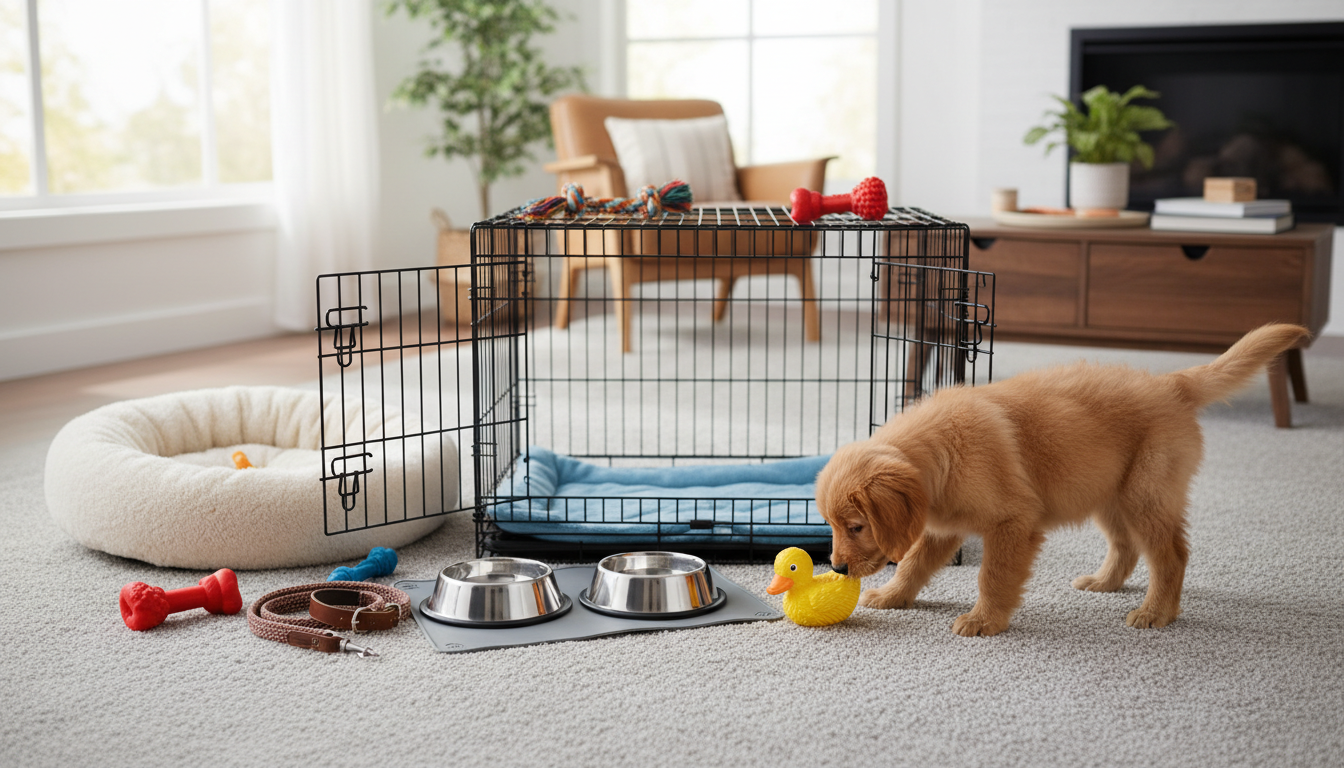
| 🛒 First supplies | A few hundred dollars | Crate, bed, leash, collar, ID tag, bowls, toys |
| 📅 Adult dog per year (2026) | $1,930 to $5,305 | Food, vet care, prevention, grooming, insurance, boarding |
| 📆 Per month | $145 to $505 | The same costs spread across the year |
| 🚑 Emergency fund | Aim for $1,000 or more | Surprise vet bills and accidents |
Yearly and monthly ranges from our 2026 dog cost per year guide. Big dogs and long coats sit at the top of the range.
Let’s make it real. Say you adopt a 50-pound adult Lab mix for $150. In year one you might spend a few hundred on supplies, then around $200 a month on food, prevention, a yearly exam and insurance. One swallowed sock can add a four-figure surgery bill. That’s why so many vets suggest either an emergency fund or pet insurance from day one. Our guide to how much dog insurance costs breaks down the monthly premiums.
3. Does your home (and your lease) allow a dog?
Think about the size of your home, access to outdoor space, and whether your living situation is stable. Renters, this one is huge. Many leases cap dogs by weight, ban certain breeds, or add a pet deposit and monthly pet rent. Get the rules in writing before you meet any dogs, because it’s heartbreaking to fall for a 70-pound pit mix and then learn your building’s limit is 25 pounds. Homeowners should check HOA rules and local license requirements too.
Space matters less than you’d think. A calm adult greyhound can be happy in a studio apartment, while a young Border Collie can wreck a house with a yard if it’s bored. What matters is whether you can meet the dog’s exercise needs where you live. A quiet corner for a crate and bed, a baby gate for the first weeks, and cords and shoes picked up off the floor go a long way.
4. Does everyone in your home want a dog?
If you have a partner, roommates or kids, everyone needs to be a real “yes,” not a shrug. Agree on who walks, who feeds, and what the house rules are (couch or no couch?) before the dog arrives. Mixed messages confuse dogs and start fights between people.
5. Which dog fits your lifestyle and energy level?
Different breeds and mixes have very different needs, temperaments and energy levels, so choose for your real life, not your dream life. Golden retrievers, for example, are known for being friendly and eager to please and get along well with people and other animals, but they also need lots of exercise and regular brushing. The AKC’s “Should I get a dog?” guide suggests looking at energy, grooming and size before anything else.
Ask yourself: what does a normal Saturday look like for you? If the honest answer is a movie marathon, a couch-loving senior or a mellow adult mix will be happier than a working breed. If you hike every weekend, look for a young, sturdy dog who loves the outdoors. Rescues are often mixes, so ask the staff about the individual dog’s energy instead of guessing from the breed label. And if you’re curious later, our Embark vs Wisdom Panel DNA test comparison shows how to learn your rescue’s breeds and inherited health risks.
6. Do you want a puppy, an adult or a senior dog?
This choice shapes your first year more than almost anything else. Puppies are adorable, and they’re also a part-time job. We’ll compare all three in detail in the next section.
7. How will a dog fit with your kids and other pets?
If you have young children or other animals, think about how a new dog will fit into the family. Some dogs adore kids; others find grabby toddlers scary. Ask the shelter whether the dog has lived with children, cats or other dogs, and set up a meet-and-greet with your current dog on neutral ground before you sign anything. Our step-by-step guide on how to introduce a dog to a new puppy covers that first meeting.
8. Does anyone have allergies or health concerns?
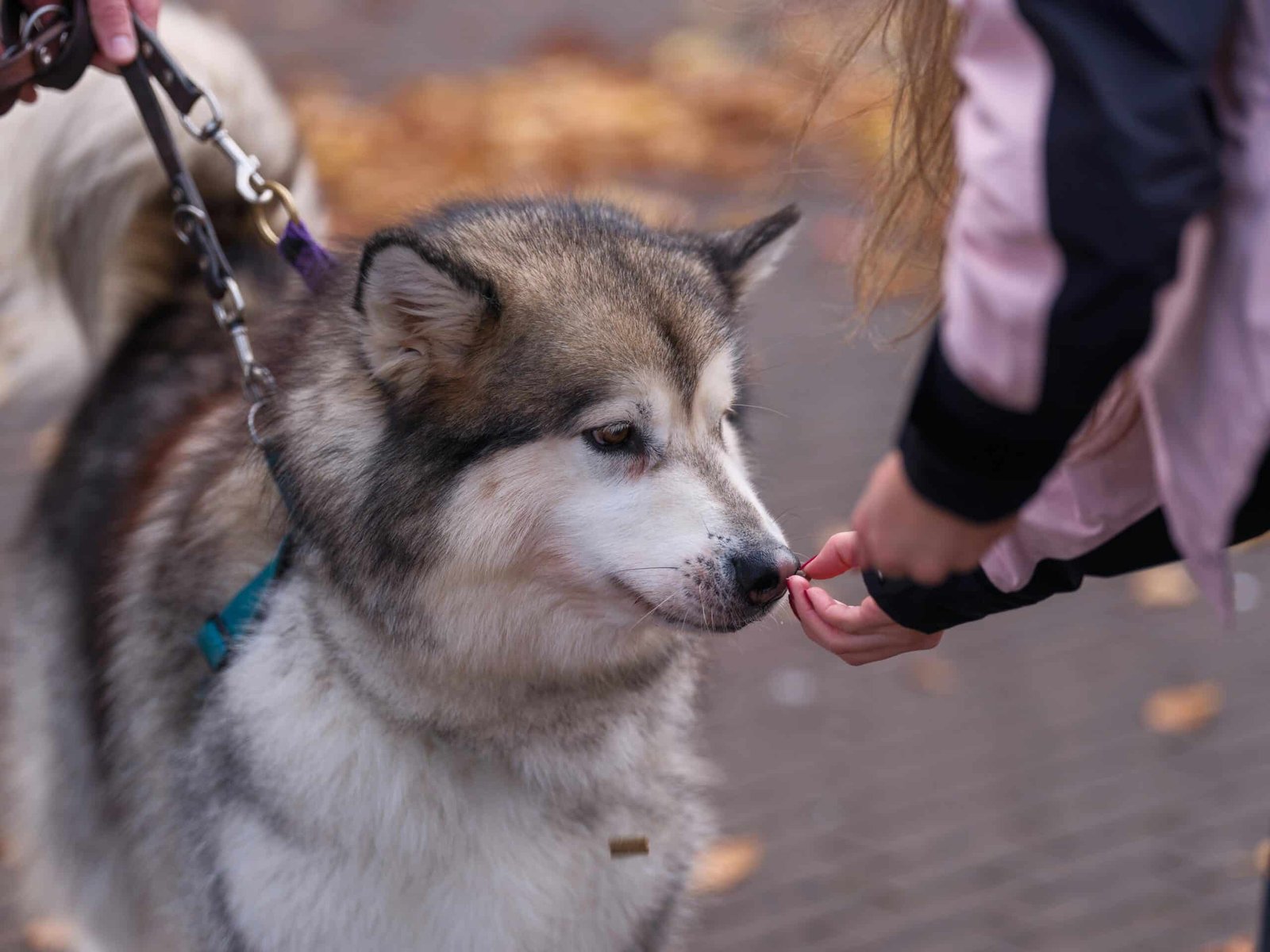
Dog allergies are common. Some breeds shed less, but the AKC’s guide to hypoallergenic dogs is clear that no dog is 100% allergy-free, because the allergens come from dander and saliva, not just hair. If someone in the house is allergic, spend real time around the dog first and talk to an allergist. Also think about how a dog may affect anyone with mobility issues, a weak immune system or a fear of dogs.
9. Are you ready for training and socialization?
Training and socialization are what turn a nervous rescue into a relaxed family dog, and they take patience. Plan for a basic manners class or a few sessions with a certified trainer who uses reward-based methods. A simple clicker and a pouch of small treats are all most dogs need to start. Skip shock collars and other pain-based tools. The American Veterinary Society of Animal Behavior recommends reward-based methods only and warns that aversive training carries real risks to a dog’s welfare and to your bond.
Many rescues need extra time to settle. The 333 rule for adopting a dog is a helpful way to set expectations: about 3 days to decompress, 3 weeks to learn your routine and 3 months to feel at home.
10. What’s your plan for health and vet care?
Before your dog comes home, pick a vet and book a first visit within the first week or two. Ask the shelter for every medical record. After that, plan on a wellness exam every year for adult dogs, and often every six months for seniors, plus year-round flea, tick and heartworm prevention. Our guide to annual wellness exams for pets explains what happens at each visit.

11. How will you handle emergencies and travel?
Life is unpredictable. Who takes your dog if you’re in the hospital, stuck at work or away for a wedding? Line up a backup person and look up boarding or pet-sitter prices near you. Part of that emergency plan is knowing basic pet first aid, from a kit checklist to dog CPR, and saving the number for the nearest 24-hour emergency vet.
12. Can you commit for the next 10 to 15 years?
Dogs live for many years. Most live 10 to 13 years, and small breeds often longer, so check our guide to dog lifespan by breed and size before you choose. Think about where you’ll be in five or ten years. New baby? Moving abroad? College? A dog can fit into all of those, but only if you plan for it.
Life can change after you adopt, too. If a move, money trouble or behavior problems ever leave you thinking you can’t keep your dog, our guide on what to do if you don’t want your dog anymore explains the fixes to try first and how to rehome a dog safely. And if you’re adopting partly for companionship, it’s worth reading how pets help with mental health so your expectations match what a dog can really give.
Puppy, Adult or Senior: Which Dog Fits You?
For most first-time adopters, an adult dog is the easier start. The San Francisco SPCA points out that puppies need trips outside about every 2 hours, a couple of trips during the night, and puppy-proofing for the whole house, while an adult dog can often be house-trained in just a few days. Here’s how the three compare.
| 🐕 Puppy (under 1) | 🐕 Adult (1–7 yrs) | 🐕 Senior (7+ yrs) | |
|---|---|---|---|
| Time alone | Short stretches; potty every 1–2 hrs | About 4–6 hrs once settled | Depends on health |
| House-training | Weeks to months | Often a few days | Usually already trained |
| Training | Puppy class is a must | Brush-up and manners | Gentle and low-key |
| Energy | Very high; chews everything | Varies; personality is known | Calmer, shorter walks |
| Vet visits | Vaccine series, spay/neuter | Yearly exam and prevention | Often every 6 months |
| Best for | Someone home most of the day | Most first-time adopters | Quiet homes, calm routines |
Every dog is an individual. Ask the shelter about the specific dog you’re meeting.

Here’s the catch with puppies: you don’t know their adult personality yet. With an adult or senior, what you see is mostly what you get. Shelter staff can tell you if the dog is house-trained, good on a leash, chill with cats or afraid of men in hats. If you do go with a puppy, our puppy growth chart shows what to expect month by month.
Am I Ready to Adopt a Dog? A Quick Self-Check
Now that you know the big factors, let’s put them together. Read each row and be honest. Two or more answers in the “wait” column doesn’t mean never. It means not yet, or not this particular dog.
| Question | ✅ You’re ready if… | ⏸️ Wait if… |
|---|---|---|
| Time | Someone can walk and play 1–2 hours a day | You’re out 10+ hours with no help |
| Money | You can cover $145–$505 a month plus savings | A $1,000 vet bill would be a crisis |
| Home | Your lease allows a dog of this size | Pets are banned or you’re moving soon |
| People | Everyone at home wants a dog | Someone is unsure or allergic |
| The next 10–15 years | You can see a dog in your future plans | Big changes are coming soon |
| Patience | You can give a shy dog weeks to settle | You need a perfect dog on day one |
Not quite ready? Fostering lets you try dog life with the rescue’s support, and the dog gets a break from the kennel.
Still on the fence about a dog at all? Our list of the easiest pets to take care of might point you to a better fit for this stage of life.
Questions to Ask the Shelter or Rescue
Shelter staff and foster families usually know a lot about each dog. Most are happy to answer questions, and good rescues welcome them. Bring this list on your visit:
✅ Ask Before You Sign
- ☐ Why was this dog surrendered or found, and how long has it been here?
- ☐ Is the dog house-trained and crate-trained?
- ☐ How does it act with kids, cats, other dogs and strangers?
- ☐ Any fears, resource guarding or separation stress you’ve seen?
- ☐ What vaccines, tests and treatments has it had? Is it spayed/neutered and microchipped?
- ☐ Any known health problems or medications?
- ☐ What does the adoption fee include?
- ☐ Is there a trial period, and what’s the return policy?
- ☐ What food is it eating now?
That last question sounds small, but it matters. Switching food suddenly on top of a big move is a recipe for an upset stomach. Keep the shelter’s food for the first week or two, then mix in the new food slowly.
Mistakes to Avoid When Adopting a Dog
- Choosing on looks alone. The photo got you in the door. The dog’s energy and history should make the decision.
- Adopting on impulse. Holiday surprise dogs and “she looked so sad” adoptions are risky. Sleep on it at least one night.
- Budgeting for the fee, not the year. Plan for the yearly cost and an emergency fund, not just day one.
- Skipping the lease check. Weight limits and breed rules end a lot of adoptions.
- Expecting instant love. Many rescues hide, don’t eat or have accidents for the first few days. That’s normal stress, not a bad dog.
- Too much too soon. Dog parks, parties and long car rides in week one can overwhelm a new dog. Keep things quiet and predictable.
What to Expect in the First Weeks
So you’ve thought it through and found your dog. Here’s how to make the first weeks smoother:
- Set up before pickup. Crate or bed in a quiet corner, bowls, leash, collar with an ID tag, and a few chew toys.
- Bring them home on a quiet day. A Friday afternoon before a calm weekend works well.
- Keep a simple routine. Same meal times, same walk times, same bedtime.
- Go out often. Even house-trained dogs may have accidents in a new place. Take them out after meals, naps and play.
- Visit the vet within the first week or two, with the shelter’s records.
- Update the microchip with your name and phone number.
- Start gentle training with short, fun, reward-based sessions once your dog seems settled.
If your new dog seems nervous, that’s very common. Our guide on how to reduce anxiety in dogs has calm, practical ideas for the settling-in period.
Frequently Asked Questions
Can I get a dog if I work full-time?
Yes, with a plan. Most adult dogs can handle about four to six hours alone, so for a full workday you’ll want a midday dog walker, doggy daycare, a neighbor’s help or a work-from-home day or two. A calm adult dog usually copes better with a 9-to-5 schedule than a puppy.
Is it better to adopt or buy a dog?
Both can work. Adopting saves a life, and shelter dogs often come vaccinated, spayed or neutered and microchipped for a modest fee. Buying from a responsible breeder lets you pick a specific breed with health-tested parents. Avoid pet stores and online sellers who won’t let you meet the parents.
How do I know if my home is big enough for a dog?
Look at the dog’s energy level more than its size. Even large dogs can adapt to smaller homes if they get enough exercise and mental work every day, while a bored high-energy dog can struggle in a big house. Check your lease or HOA rules for size and breed limits.
What should I do if my new dog shows anxiety or aggression?
Start with your vet to rule out pain or illness, then work with a certified trainer or veterinary behaviorist who uses reward-based methods. They can build a behavior plan and, if needed, discuss medication. Avoid punishment, which often makes fear worse.
How often do dogs need to go to the vet?
Puppies need several visits in their first year for vaccines and checkups. Healthy adult dogs need a wellness exam at least once a year, and senior dogs often benefit from a visit every six months to catch age-related problems early. Check with your vet about your own dog.
What is the 3-3-3 rule when adopting a dog?
It’s a rough guide for how rescue dogs settle in: about 3 days to decompress, 3 weeks to learn your routine and 3 months to feel at home. Every dog is different, so some take longer and some settle faster.
The Bottom Line
Before adopting a dog, make sure you have the time, a realistic budget, a home that allows a dog, a household that’s on board and room in your plans for the next decade or more. Then choose the dog whose energy and age fit your life, ask the shelter plenty of questions, and give your new friend a quiet, patient first few weeks.
Dog ownership is one of the most rewarding things you’ll ever do. Taking the time to prepare is the first step toward a happy life together, and toward being the kind of owner every shelter dog hopes to go home with.
Keep learning: more guides from Pet Buddies Care
- The 333 rule for adopting a dog: step-by-step guide
- How much does a dog cost per year? 2026 budget guide
- How long do dogs live? Lifespan by breed and size
Sources: ASPCA U.S. Animal Shelter Statistics (2025 data); American Kennel Club; Petfinder; San Francisco SPCA; American Veterinary Society of Animal Behavior (AVSAB). Updated November 2026. This guide is general information, not veterinary advice. Check with your vet about your own dog.
Which of these questions was the hardest one for you to answer? Tell us in the comments.
Planning for the long haul? Adopting a dog is a 10- to 15-year promise for most breeds. See our guide to how long dogs live by breed and size before you choose.