Christmas Foods Dangerous for Dogs and Cats: 13 to Avoid (+ Chocolate Chart)
By the Pet Buddies Care team · Updated November 2026 · Reviewed against Merck Veterinary Manual, ASPCA and AVMA guidance
The Christmas foods dangerous for dogs and cats are mostly the ones on the dessert table and in the roasting pan: chocolate, raisins and fruitcake, anything sweetened with xylitol, onion- and garlic-heavy stuffing and gravy, fatty turkey skin, cooked bones, macadamia nuts, alcohol and raw yeast dough. If your pet eats any of them, call your vet or a pet poison line right away, even if they seem fine.
Here’s the thing most lists miss: “toxic” isn’t the same for every pet. A crumb of milk chocolate won’t do much to a 70-pound Lab, but a few squares of baking chocolate can put a 10-pound terrier in the ER. And cats? They’re even more sensitive to onions and garlic than dogs. So below you’ll find a quick list, a “how much is too much” chocolate chart by your dog’s weight, the warning signs and timing for each food, and exactly what to do in the first 30 minutes.
🎄 Quick Answer: Christmas Foods to Keep Away From Pets
- Most urgent (call now): chocolate, cocoa, raisins/grapes/currants (fruitcake, mince pies, stollen), xylitol sweets and gum, alcohol, raw yeast dough.
- Serious but slower: onion, garlic, leeks and chives (stuffing, gravy, sauces). Cats are the most sensitive.
- Gut trouble and blockages: turkey skin, ham fat, gravy, cooked bones, macadamia nuts, foil and string from roasts.
- Safe swaps: a few bites of plain, boneless, skinless turkey breast, plain green beans or carrots.
- Poison lines: ASPCA (888) 426-4435 · Pet Poison Helpline (855) 764-7661. Both charge a consultation fee.
In this guide
The 13 Christmas Foods Dangerous for Dogs and Cats
These are the foods that cause the most holiday vet visits, grouped by how fast you need to act. The American Veterinary Medical Association’s holiday pet safety guide flags almost all of them, and the Merck Veterinary Manual explains why each one is a problem.
| Food | Hidden in | Why it’s dangerous | Dogs | Cats |
|---|---|---|---|---|
| 🍫 Chocolate and cocoa | Fudge, brownies, Yule log, hot cocoa mix, advent calendars | Theobromine and caffeine overstimulate the heart and nervous system | High risk | Toxic too, but cats rarely eat much |
| 🍇 Raisins, grapes, currants, sultanas | Fruitcake, mince pies, stollen, Christmas pudding, cookies | Can cause sudden kidney injury; no known safe amount | High risk | Not well studied; keep away |
| 🍬 Xylitol (birch sugar) | Sugar-free gum, mints, candy, some baked goods and nut butters | Sharp drop in blood sugar; liver failure at higher doses | High risk | Not considered at risk |
| 🧅 Onion, garlic, leeks, chives | Stuffing, gravy, sauces, casseroles, garlic bread, onion powder | Damages red blood cells (anemia) | Risky | Most sensitive of all pets |
| 🍷 Alcohol | Eggnog, punch, wine, rum cake, liqueur chocolates | Low blood sugar, low body temperature, collapse | High risk | High risk |
| 🍞 Raw yeast dough | Rising rolls and bread dough on the counter | Expands in the stomach and makes alcohol as it ferments | High risk | High risk |
| 🍗 Cooked bones | Turkey carcass, ham bone, rib roast, wings | Splinters, choking, blockages, mouth and gut injuries | High risk | Risky |
| 🥓 Fatty scraps | Turkey skin, ham fat, gravy, buttery sides, pigs in blankets | Upset stomach and pancreatitis | Risky | Risky |
| 🌰 Macadamia nuts | Cookies, nut mixes, white chocolate bark | Weakness, vomiting, wobbly back legs, fever | Risky | Keep away |
| 🎂 Nutmeg and heavy spice | Eggnog, pumpkin pie, gingerbread | Stomach upset; larger amounts can cause tremors and a racing heart | Risky in large amounts | Risky in large amounts |
| 🧀 Rich dairy | Cheese boards, cream sauces, eggnog | Many adult pets digest lactose poorly; blue cheeses are best avoided | Mild | Mild to moderate |
| 🧂 Salty snacks | Chips, salted nuts, ham, salt dough ornaments | Vomiting and thirst; salt dough ornaments can cause dangerous salt poisoning | Risky | Risky |
| 🧻 Food wrappers | Foil, string from roasts, corn cobs, skewers | Blockages and cuts in the gut | High risk | String is especially risky for cats |
Sources: Merck Veterinary Manual, AVMA, ASPCA Animal Poison Control. “High risk” means call your vet or a poison line even if your pet seems fine.
Chocolate: the number one holiday call
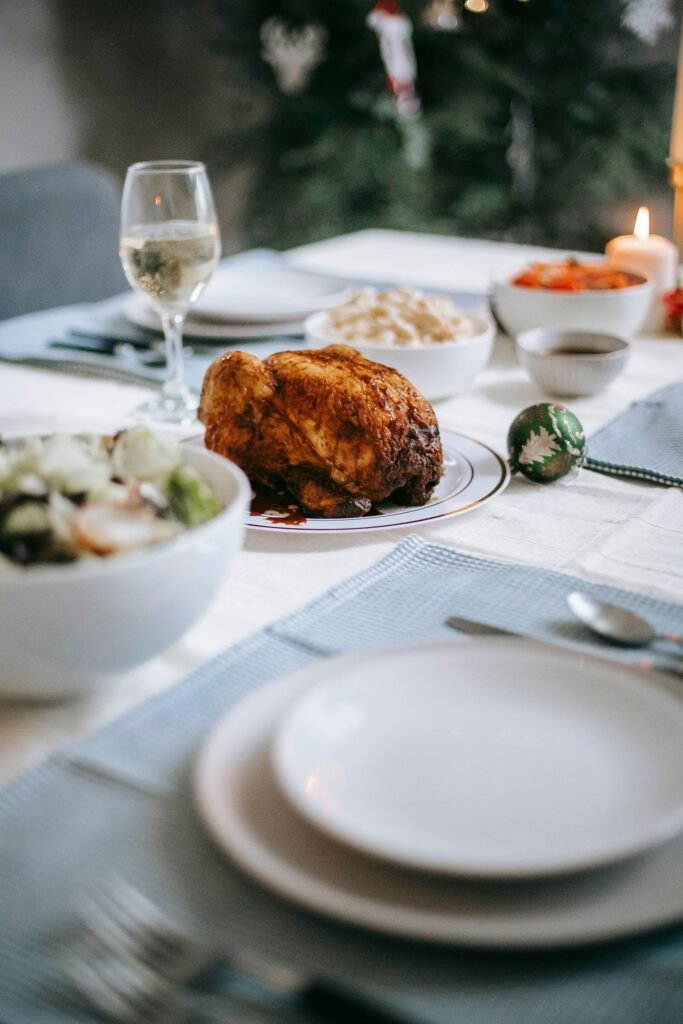
Chocolate contains theobromine and caffeine, which dogs clear very slowly. The darker the chocolate, the more dangerous it is. That’s why a dog who finds the baking chocolate is in far more trouble than one who steals a milk chocolate Santa. Advent calendars are a classic trap. They hang low, they smell great, and one dog can eat all 24 windows in a minute.
Raisins, grapes and currants: small fruit, big risk
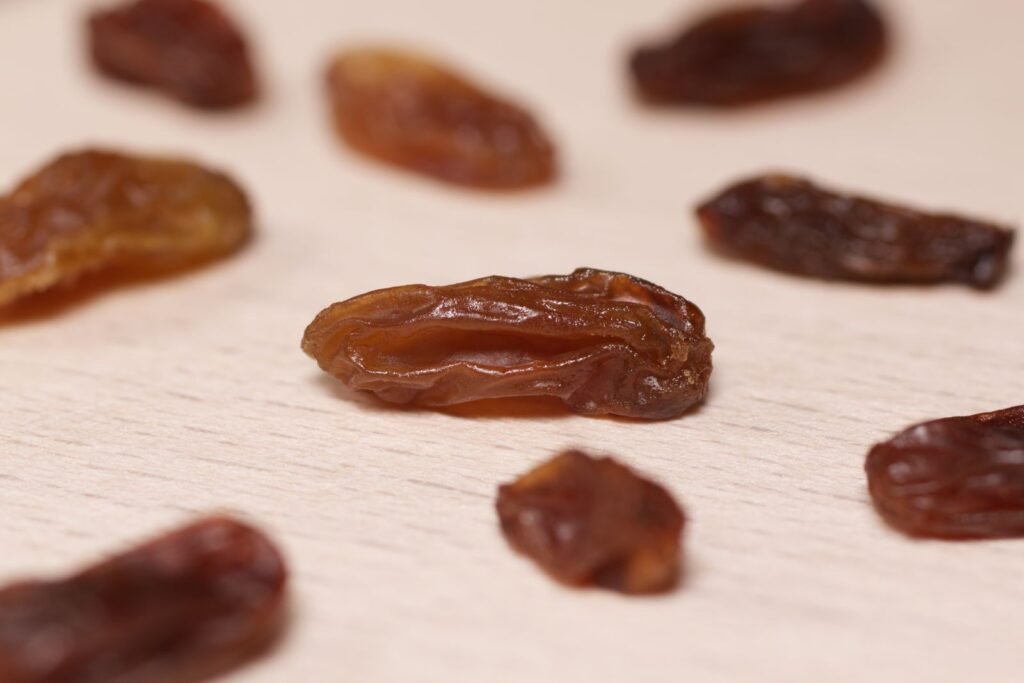
Fruitcake, mince pies, stollen and Christmas pudding are packed with dried fruit. ASPCA toxicologists have identified tartaric acid as the likely toxic part of grapes and raisins. Levels vary a lot from grape to grape, which explains why one dog gets sick from a handful and another doesn’t. Because you can’t predict it, vets treat any amount as an emergency.
Xylitol: the sugar-free surprise
Xylitol (sometimes listed as birch sugar) is in sugar-free gum, mints and some “keto” desserts. According to the Merck Veterinary Manual, more than about 100 mg per kg of body weight can drop a dog’s blood sugar, sometimes within 30 minutes, and doses above roughly 500 mg/kg can damage the liver. For a 30-pound dog, that first threshold is only about 1.4 grams of xylitol. Check your guests’ coat pockets and purses, too. That’s where most dogs find gum.
Onion and garlic: why stuffing and gravy are risky
Onions, garlic, leeks and chives damage red blood cells. Powders and dried flakes are the most concentrated, so a spoonful of onion-heavy gravy can matter more than you’d think. The Merck Veterinary Manual calls cats “the most susceptible species,” with problems reported after less than a teaspoon of cooked onion. Damage builds over days, so a pet can look fine on Christmas and turn weak and pale by the weekend.
Bones, skin and fat: the “harmless” scraps
Cooked bones splinter. Between 2010 and 2017, the FDA received reports of about 90 dogs that got sick from “bone treats,” and roughly 15 of them died, as NPR reported. Turkey skin, ham fat and gravy are a different problem. The AVMA warns that fatty scraps can trigger pancreatitis, a painful inflammation that often means a hospital stay. We cover the turkey question in detail in can dogs eat turkey: safe parts and amounts.
Alcohol and raw dough
A dog lapping up an unattended glass of eggnog sounds funny until it isn’t. Pets are small and process alcohol poorly. Raw yeast dough is a double hit: it rises in the warm stomach, causing painful bloating, and it ferments into alcohol. If you’re proofing rolls on the counter, push them to the back and keep the dog out of the kitchen.
How Much Chocolate Is Dangerous for a Dog? Chart by Weight
Mild signs can start at about 20 mg of methylxanthines (theobromine plus caffeine) per kilogram of body weight, heart problems at 40 to 50 mg/kg, and seizures at 60 mg/kg or more, according to the Merck Veterinary Manual. We used Merck’s average content for each chocolate type to work out roughly how much reaches that first “mild signs” level.
| Dog’s weight | Milk chocolate (64 mg/oz) | Semisweet or dark (about 155 mg/oz) | Baking chocolate (440 mg/oz) | Cocoa powder (807 mg/oz) |
|---|---|---|---|---|
| 🐕 10 lb (4.5 kg) | about 1.4 oz | about 0.6 oz | about 0.2 oz | about 0.1 oz (roughly a teaspoon) |
| 🐕 20 lb (9 kg) | about 2.8 oz | about 1.2 oz | about 0.4 oz | about 0.2 oz |
| 🐕 30 lb (13.6 kg) | about 4.3 oz | about 1.8 oz | about 0.6 oz | about 0.3 oz |
| 🐕 50 lb (22.7 kg) | about 7.1 oz | about 2.9 oz | about 1 oz | about 0.6 oz |
| 🐕 70 lb (31.8 kg) | about 9.9 oz | about 4.1 oz | about 1.4 oz | about 0.8 oz |
Our calculation: weight in kg × 20 mg ÷ the chocolate’s mg per ounce. This is the level where vomiting and restlessness can begin, not a “safe” amount. Brands vary, and some dogs react to less. Use it to judge urgency, then call your vet.
Let’s make that real. Say your 20-pound beagle mix gets into a 3.5-ounce dark chocolate bar while you’re at church. That’s roughly three times the amount where symptoms can start, and it’s getting close to the range where the heart is affected. That’s a “call on the way to the car” situation, not a “wait and see.”

Cats vs Dogs: Who’s at Risk From What?
Dogs get into more trouble because they’ll eat almost anything. Cats are pickier, but their bodies are more sensitive to a few foods. Here’s how the risks split.
- Dogs: the big ones are chocolate, raisins and grapes, xylitol, bones and fatty scraps. Xylitol poisoning has only been reported in dogs among household pets, according to Merck.
- Cats: onion and garlic are the top food danger, since cats are the most sensitive species. Alcohol and raw dough are just as dangerous for cats. String from roasts and tinsel near the food table are a blockage risk.
- Both: chocolate, alcohol, raw dough, cooked bones, fatty foods and macadamia nuts.
Picture a cat who hops on the counter while the gravy cools. A few laps of onion-and-garlic gravy is a real concern for a 9-pound cat. And yes, cheese plates are tempting too. Our guide on whether cats can eat cheese explains why most adult cats handle dairy poorly.
Warning Signs and When They Show Up
Timing is what fools people. Some poisonings show signs in minutes, others take days. If you only watch your pet for an hour and relax, you can miss the damage that’s still building.
| Food | Signs to watch for | When they usually start |
|---|---|---|
| Chocolate | Vomiting, diarrhea, heavy thirst, restlessness, racing heart, tremors, seizures | Usually 6 to 12 hours |
| Xylitol | Vomiting, weakness, wobbling, collapse, seizures; later yellow gums, bruising | As soon as 30 minutes (up to 12 to 18 hours with some gums); liver signs at 24 to 48 hours |
| Raisins and grapes | Vomiting, low energy, not eating, drinking or peeing less | Often within a day; kidney damage can develop over the next few days |
| Onion and garlic | Tiredness, pale gums, fast breathing, weakness, red or brown urine | A few days; red blood cell damage peaks at 3 to 5 days |
| Fatty foods | Repeated vomiting, belly pain (hunched “praying” position), not eating | Hours to a few days after the feast |
| Bones and wrappers | Gagging, drooling, vomiting, straining, no poop, painful belly | Hours to days |
Timing for chocolate, xylitol and onion from the Merck Veterinary Manual. Other timings are typical patterns; your vet may see different ones.
My Pet Ate Something: What to Do in the First 30 Minutes
Call first, act second. Many toxins work better when treated early, so the minutes right after you find the empty wrapper matter most.
- Move your pet away from the food and pick up what’s left.
- Collect the facts: what they ate, roughly how much, when, and your pet’s weight. Keep the wrapper or recipe.
- Call your vet, an emergency clinic, or a poison line. The ASPCA Animal Poison Control Center is (888) 426-4435 and the Pet Poison Helpline is (855) 764-7661. Both are open 24/7 and charge a one-time consultation fee.
- Don’t make your pet vomit unless a vet tells you to. Salt, oils and the wrong dose of hydrogen peroxide can cause new problems, and vomiting is dangerous for some swallowed objects.
- Go in if told to, and bring the packaging. If your vet’s office is closed for the holiday, find your nearest 24-hour emergency hospital now, before you need it.
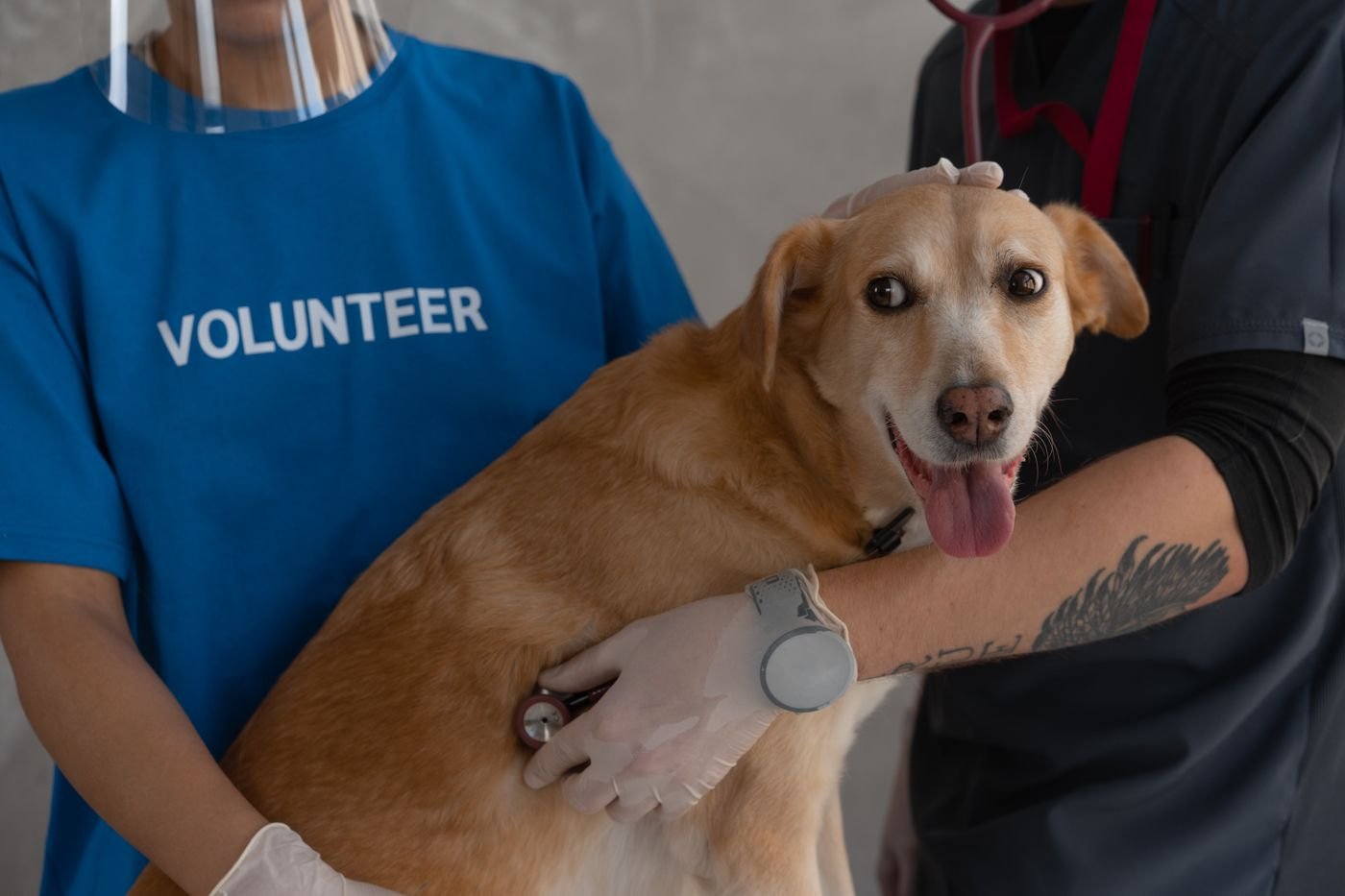
Keep a basic kit and the numbers on the fridge during the holidays. Our pet first aid checklist walks you through what to keep in it. And if you’re weighing whether insurance would cover an emergency visit, see how much dog insurance costs in the USA.
Safe Christmas Treats for Dogs and Cats
You don’t have to leave your pet out of the celebration. A small plate of plain foods lets them join in without the risk.
| Instead of… | Offer this | Keep it safe by… |
|---|---|---|
| Turkey skin and gravy | Plain, cooked turkey breast | No skin, bones, butter or seasoning; a few small bites |
| Stuffing and casseroles | Plain steamed green beans or carrots | No butter, salt, onion or garlic |
| Pumpkin pie | A spoonful of plain canned pumpkin (dogs) | Not pie filling, which has sugar and spices |
| Cookies and fudge | A dog-safe homemade treat | Skip chocolate, raisins, nutmeg and xylitol |
| Cheese board | Their usual treats in a new toy or puzzle | Count treats as part of the day’s food |
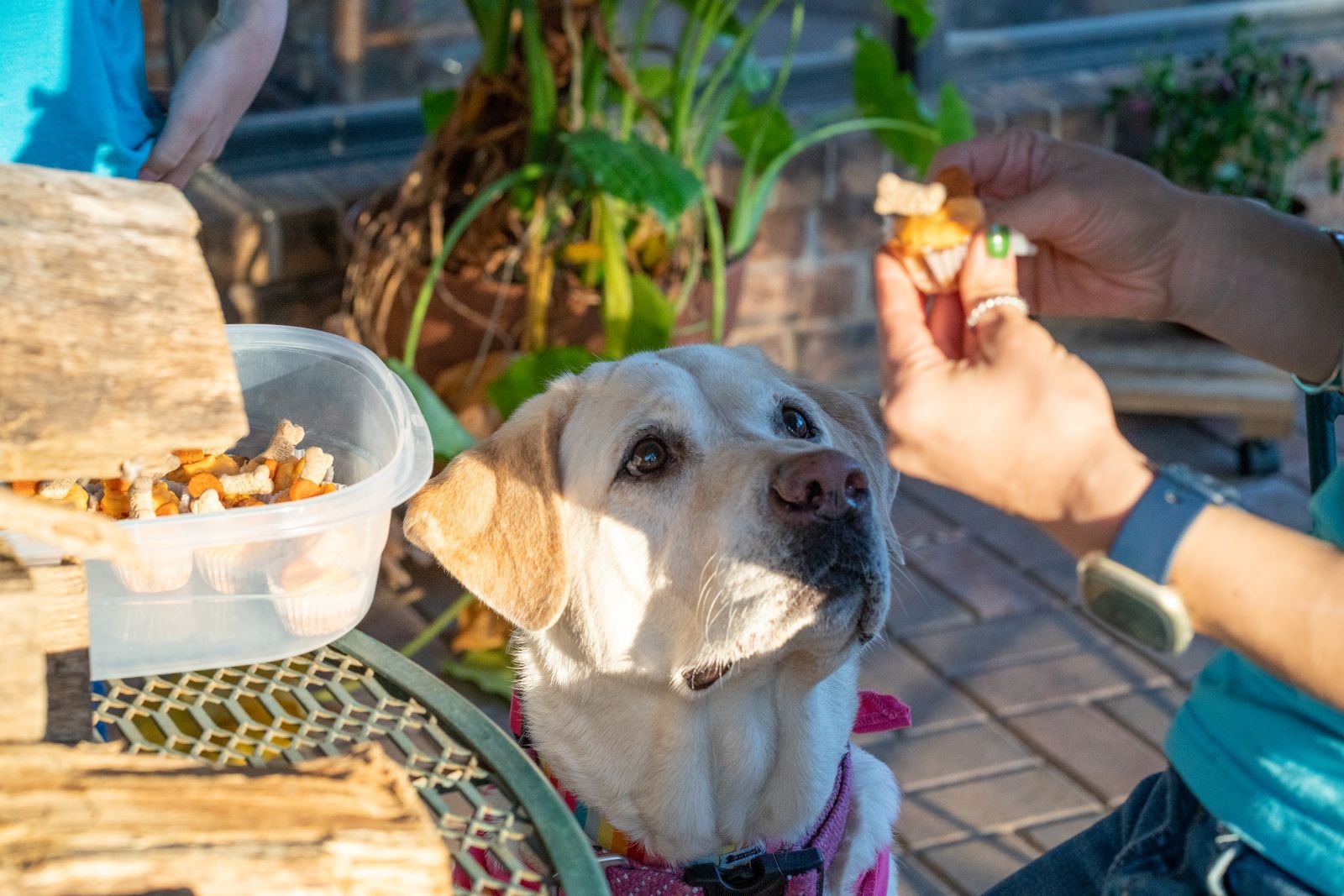
Want to bake something they can actually eat? Try one of our easy homemade dog treat recipes. Just leave out any raisins, chocolate chips or nutmeg you might add out of habit.
A Pet-Safe Christmas Day Plan
Most holiday poisonings happen during the busy hours: cooking, guests arriving and cleanup. Use this checklist on the day.
- ☐ Morning: give your dog a long walk or play session so they’re more likely to nap through dinner.
- ☐ Cooking: keep dough, chocolate and bones at the back of the counter. Use a baby gate on the kitchen.
- ☐ Guests arrive: hang coats and bags out of reach (gum and mints live there). Ask guests, kindly, not to feed the pets.
- ☐ Dinner: feed your pet their own meal in a quiet room with a chew or puzzle toy.
- ☐ Gifts: no edible gifts under the tree. Dogs can sniff wrapped chocolate.
- ☐ Cleanup: take the carcass, foil and string straight to an outdoor bin with a lid.
- ☐ Night: check for missing food or wrappers before bed, and know your nearest 24-hour vet.
Mistakes that lead to Christmas vet visits
- “Just one bite” from five different guests. Small scraps add up to a fatty meal.
- Waiting for symptoms. With xylitol, raisins and onion, the damage starts before you see anything.
- Trusting “sugar-free” treats. Read labels for xylitol or birch sugar.
- Leaving the trash can open. A turkey carcass in an open bin is a dog’s dream and a vet’s nightmare.
- Making a pet vomit at home without a vet’s go-ahead.
Food isn’t the only seasonal hazard. Cold snaps, tinsel and new toys all bring their own risks. Our vet-backed winter warmth tips cover the weather side, and our holiday pet gifts under $25 are all non-edible, so they’re safe under the tree.
Frequently Asked Questions
What Christmas foods are toxic to dogs?
The most dangerous are chocolate, raisins, grapes and currants (in fruitcake and mince pies), xylitol, onion and garlic, alcohol and raw yeast dough. Cooked bones, fatty scraps and macadamia nuts can also cause serious problems. Call your vet if your dog eats any of them.
Can cats eat Christmas turkey?
A few small bites of plain, cooked, boneless, skinless turkey breast are generally fine for a healthy cat. Skip the skin, gravy, stuffing and bones. Gravy and stuffing often contain onion and garlic, and cats are the most sensitive species to those.
My dog ate one raisin. Should I worry?
Yes, call your vet or a pet poison line. There’s no known safe amount of raisins or grapes for dogs, and the toxic level varies between fruits, so vets treat any amount seriously. Early treatment gives the best chance of protecting the kidneys.
How long after eating chocolate will a dog get sick?
Signs usually begin 6 to 12 hours after a dog eats chocolate, according to the Merck Veterinary Manual. Don’t wait for them. Call as soon as you know, with the type and amount of chocolate and your dog’s weight.
Is a little ham or gravy OK for pets?
It’s best avoided. Ham is fatty and salty, and gravy is fatty and often made with onion or garlic. Both can upset the stomach or lead to pancreatitis. Plain turkey breast or plain vegetables are much safer treats.
How much does it cost to call pet poison control?
Both US lines charge a one-time consultation fee per case. Pet Poison Helpline lists its fee on its website, and the ASPCA confirms the amount when you call. Many pet insurance plans reimburse the fee, so keep your receipt.
The Bottom Line
The Christmas foods dangerous for dogs and cats are easy to name but easy to forget in a busy kitchen: chocolate, dried fruit, xylitol, onion and garlic, alcohol, raw dough, bones and fat. Keep them out of reach, give your pet a safe plate of their own, and save the poison line numbers in your phone today. If something does go missing, call first and ask questions later. It’s the fastest way to keep a scare from turning into an emergency.
Keep learning: more holiday pet guides from Pet Buddies Care
- Can dogs eat turkey? Safe parts and amounts
- Pet first aid: kit checklist, CPR and emergency steps
- How to keep pets warm in winter: 15 vet-backed tips
Sources: Merck Veterinary Manual (chocolate, xylitol and Allium toxicosis); AVMA Holiday Pet Safety; ASPCA Animal Poison Control Center; ASPCApro on tartaric acid in grapes and raisins; Pet Poison Helpline; NPR on the FDA’s 2017 bone treat warning. Updated November 2026. This guide is general information, not veterinary advice. Talk to your vet about your own pet.
Has your pet ever raided the holiday table? Tell us what they got into in the comments.