
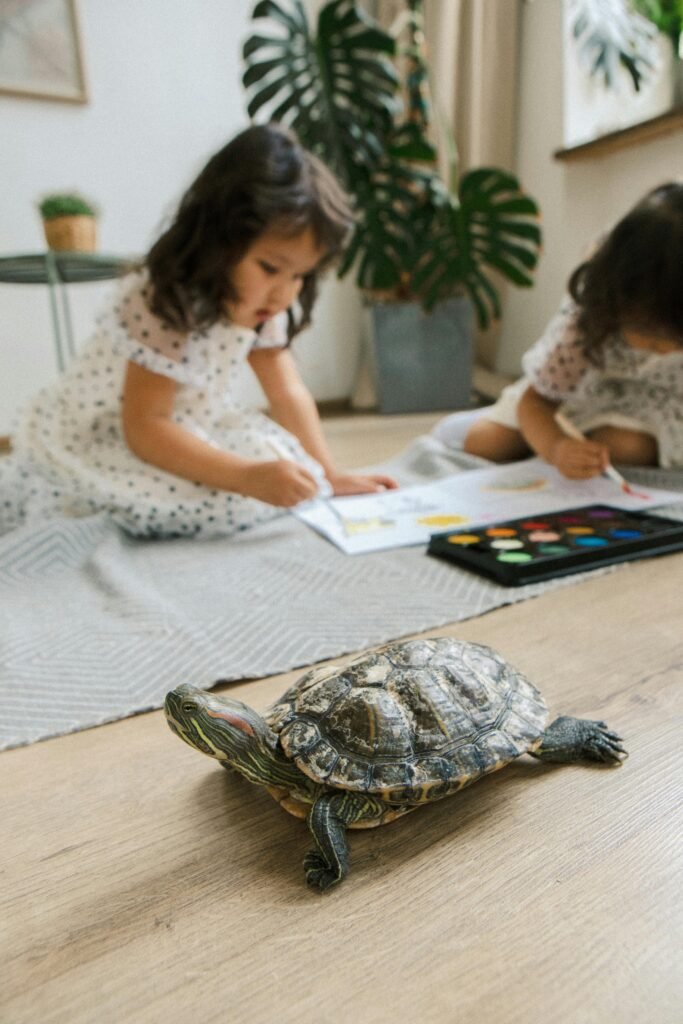
How to Take Care of a Pet Turtle: Tank Setup, Diet and Health Basics
To care for a pet turtle, give it a large tank (about 10 gallons per inch of shell), a dry basking area, UVB light, clean filtered water, and a balanced diet of turtle pellets, protein and leafy greens. Turtles can live for decades, so they are a long-term commitment, and they can carry Salmonella, so wash your hands after every contact. Key Takeaways Tank: a common rule is 10 gallons per inch of shell length, so a 4-inch turtle needs about 40 gallons. Plan for growth. Heat and light: basking spot about 85 to 90°F, water about 75 to 80°F, plus UVB. Diet: quality pellets, protein and greens. Fruit only as a rare treat. Hygiene: turtles can carry Salmonella. Wash hands, and keep young children from handling them. Lifespan: often decades. Be sure you can commit. This article is general information and not veterinary advice. It contains affiliate links. We may earn a commission if you buy through them, at no extra cost to you. See our Disclosure. Is a Turtle the Right Pet for You? Turtles are quiet, interesting to watch and don’t need walks, which suits apartments. But they are not low-maintenance. They need a big, warm, filtered habitat, specialized lighting and regular cleaning. Many live 20 to 30 years or more, and some species live much longer. Think of a turtle as a long-term commitment. Popular Pet Turtle Types Type Habitat Notes Red-eared slider Semi-aquatic: water plus basking land Very popular, grows large and needs a big tank. Painted turtle Aquatic with basking spot Colorful and active. Needs lots of swimming room. Box turtle Mostly land Needs roomy, humid land enclosure. Not a swimmer. Russian tortoise Land (a tortoise) Small and hardy, loves to dig. Needs dry setup, not a water tank. Care needs differ a lot by species, so research yours before buying. Buy from a reputable breeder or adopt from a rescue rather than collecting from the wild. In the US, selling turtles with a shell under 4 inches is restricted, so ask the seller about local rules. Read more about aquatic turtle types. Turtle Habitat Setup 1. Tank Size Turtles need room to swim and bask. A widely used guideline is about 10 gallons per inch of shell length, so a 4-inch turtle needs about 40 gallons and an adult slider often needs 100 gallons or more. Small “starter kits” are only a temporary home for hatchlings. 2. Water and Basking Area Aquatic and semi-aquatic turtles need deep enough water to swim and a dry, easy-to-climb platform where they can leave the water completely and dry off. 3. Lighting and Temperature UVB light lets turtles make vitamin D3 and absorb calcium. Without it they can develop shell and bone problems. Aim for a basking spot of about 85 to 90°F and water of about 75 to 80°F. Replace UVB bulbs on the maker’s schedule, since output fades. 4. Filtration Turtles are messy. Use a canister or powerful external filter rated for a larger tank than yours, and still do regular partial water changes. 5. Substrate Aquatic turtles do well with a bare bottom or large smooth rocks that can’t be swallowed. Terrestrial species need soil or coconut coir that holds humidity. Avoid small gravel that can be eaten. What to Feed a Pet Turtle Most pet turtles are omnivores, though diet shifts with age and species. A mix works best: Commercial turtle pellets as the base. They are formulated with calcium and vitamins. Protein such as crickets, mealworms, earthworms or shrimp, offered in moderation. Young turtles need more protein. Leafy greens and vegetables such as dandelion greens, romaine or collards, plus small amounts of carrot or zucchini. Fruit only as an occasional treat because of its sugar. Young turtles are generally fed daily and adults every 2 to 3 days. Remove uneaten food promptly. Feeding in a separate tub keeps the main tank cleaner. See more on what turtles eat. Regular Turtle Maintenance Water changes: change part of the water regularly and do a full clean on a schedule suited to your tank size and filter. Health checks: watch the shell, eyes and breathing. Common problems include shell rot, respiratory infections and vitamin deficiencies. See an exotic-pet vet if you notice swollen eyes, bubbles at the nose, soft shell or lethargy. Gentle handling: too much handling stresses turtles. Enrichment: add hiding spots, plants and varied foods. Salmonella Safety Reptiles, including turtles, can carry Salmonella even when healthy. Wash hands with soap after touching the turtle or its tank, never clean the tank in a kitchen sink, and keep turtles away from food areas. Young children, older adults and people with weakened immune systems are at higher risk. See the CDC guidance on reptiles. Common Challenges Messy water: a strong filter and a separate feeding tub help. Long lifespan: plan for decades of care. Specialized needs: lighting, heat and diet are different from cats and dogs. Looking for other low-effort companions? See our guide to the easiest pets to take care of, or browse our pet shop. Frequently Asked Questions How big a tank does a pet turtle need? A common rule is 10 gallons per inch of shell length. Adult sliders may need 100 gallons or more. How long do pet turtles live? With proper care, many live 20 to 30 years or more, depending on species. Do turtles need UVB light? Yes. UVB helps them produce vitamin D3 and absorb calcium, which protects shell and bones. Can turtles be kept with children? Only with supervision and strict handwashing. Because of Salmonella risk, health agencies advise keeping turtles away from children under 5. Sources MedVet: Aquatic Turtle Care Recommendations PetMD: Aquatic Turtle Care Sheet CDC: Reptiles and Amphibians Last reviewed: November 2026. Needs vary by species, so consult an exotic-pet veterinarian.
How to Take Care of a Pet Turtle: Tank Setup, Diet and Health Basics Read More »